

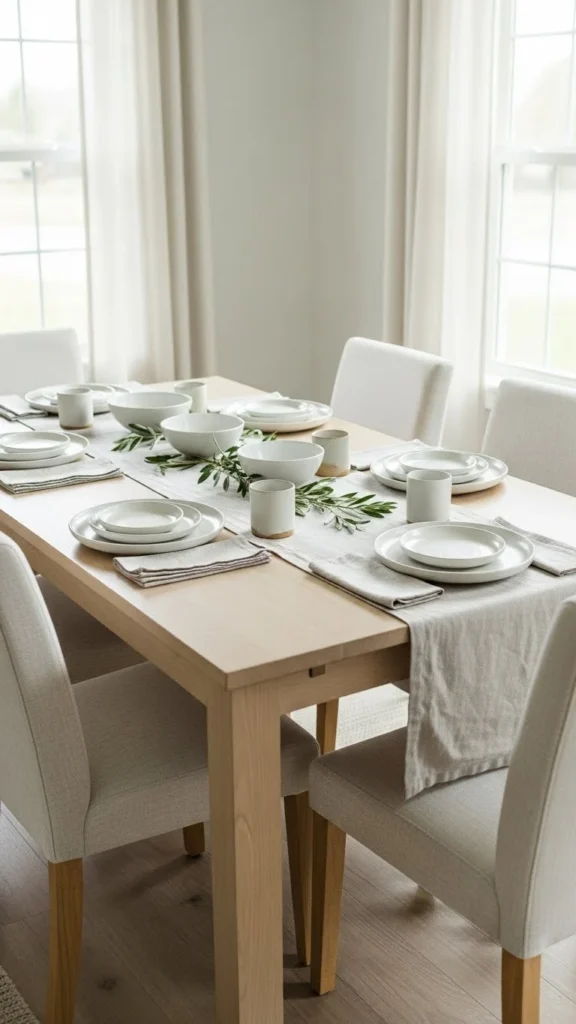
Spring gatherings call for a dining room that feels welcoming, calm, and thoughtfully styled. This is the season when people linger at the table longer. Small decor updates can shape the mood without major spending. From simple table styling to light furniture swaps, these ideas focus on comfort, ease, and visual balance. Each one is practical, affordable, and easy to try at home. Whether you host often or just enjoy a polished dining space, these ideas help your room feel ready without feeling staged.
1. Soft Linen Table Runners
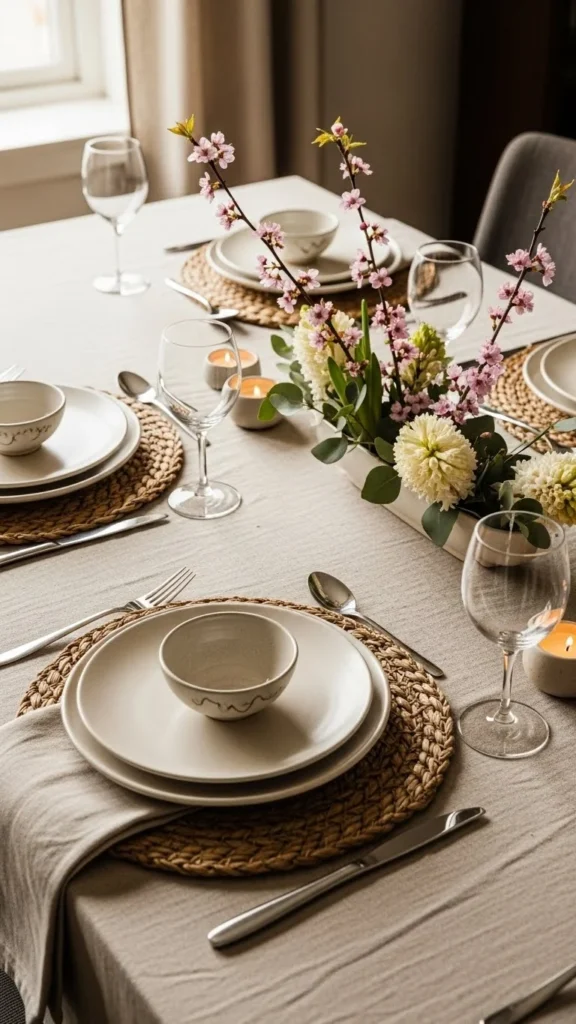
A linen table runner brings quiet structure to your table. Choose soft beige, warm ivory, or muted sage. These shades feel calm and pair well with most furniture. Linen also drapes naturally, so it never feels stiff.
You can fold it lengthwise for a narrow look or let it run wide for casual gatherings. If budgets are tight, look for linen blends or thrifted fabric. Cut the length you want and leave raw edges for an easy DIY.
Linen works well year-round. In spring, it pairs nicely with ceramic dishes and simple glassware. You can swap center pieces often while keeping the runner the same. That makes styling quicker.
Wash and reuse it often. Slight wrinkles add character. This small update alone makes the table feel intentional and hosting-ready.
2. Light Wood Dining Chairs
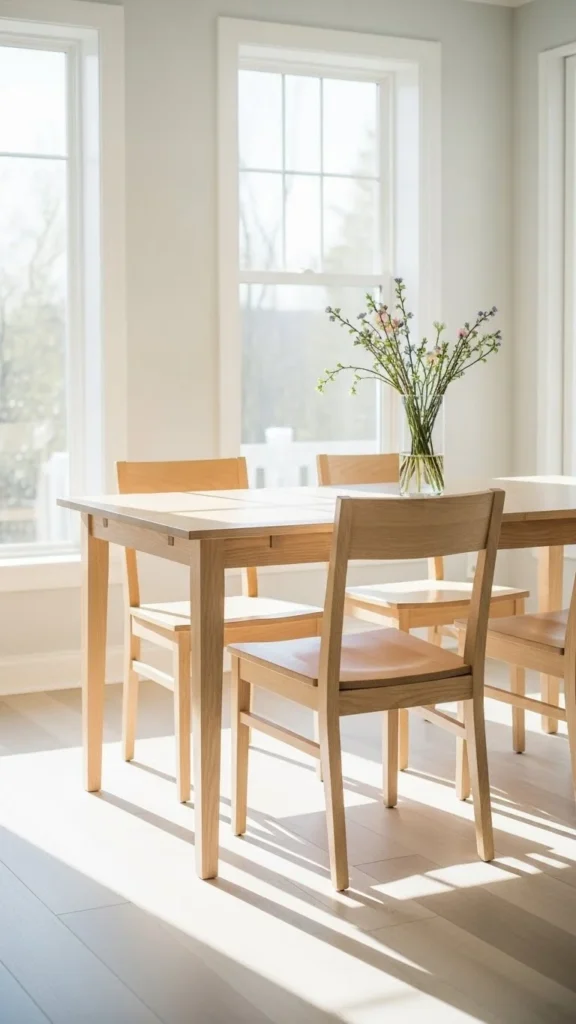
Swapping or mixing in light wood chairs instantly changes the tone of a dining room. Pale oak or beech tones feel open and calm. They also balance darker tables nicely.
You do not need a full matching set. Mixing chair styles adds charm and lowers cost. Try pairing two wood chairs at the ends with existing side chairs.
Secondhand shops often have solid wood chairs that just need sanding or a light seal. Keep the finish natural for a relaxed look. Cushions in soft fabric add comfort without bulk.
Light wood works well with neutral walls and simple lighting. It also photographs beautifully, which helps if you love sharing home moments online. This update keeps the space feeling welcoming and lived-in.
3. Ceramic Dinnerware Displays
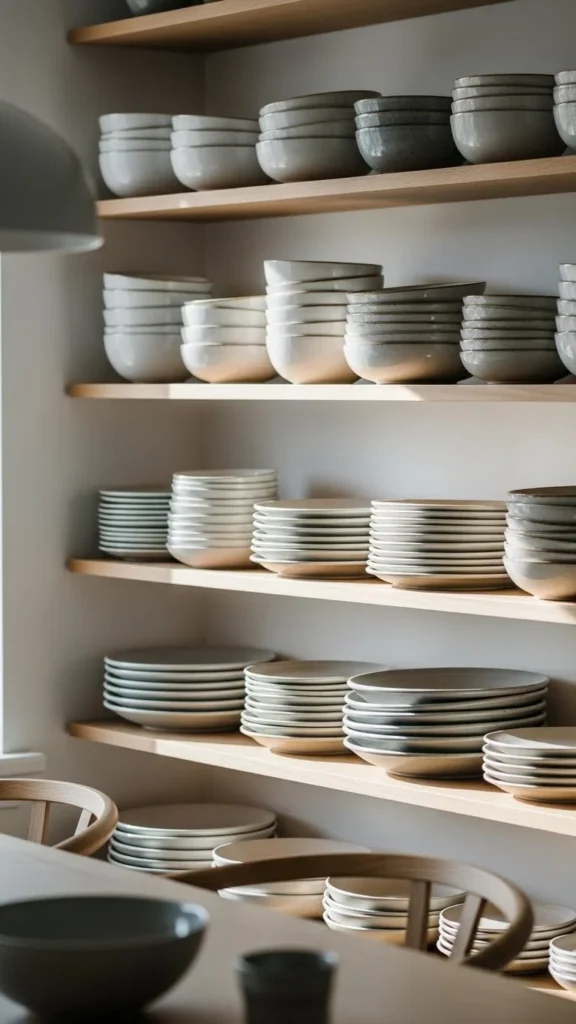
Open shelves or glass-front cabinets offer a chance to style your dishes. Neutral ceramic plates and bowls bring texture without clutter. Whites, creams, and soft grays feel calm and clean.
You do not need new sets. Mix similar tones you already own. Stack plates in uneven numbers for a relaxed look. Bowls can sit nested or stacked loosely.
If shelving is limited, try a plate stand on a sideboard. It adds height without crowding. Thrifted ceramics often have unique shapes that feel special when displayed.
This approach turns everyday items into decor. It also keeps hosting practical, since dishes are within reach. Style once and enjoy it all season.
4. Subtle Green Centerpieces
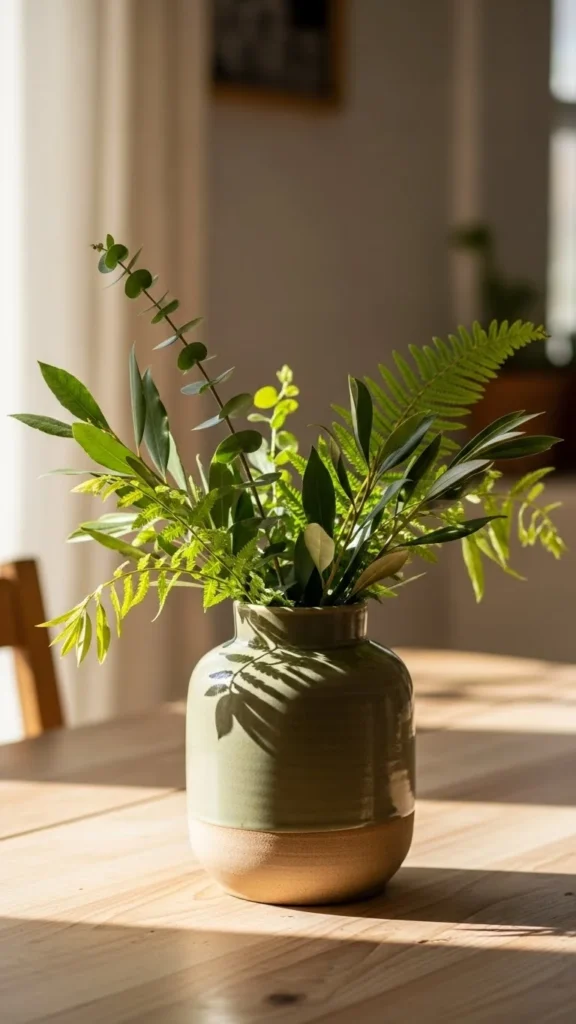
Greenery brings life to the table without overpowering it. Choose simple stems like eucalyptus-style leaves or soft branches. Keep arrangements low so guests can see each other easily.
A single vase often works better than many small ones. Ceramic or stone vessels feel grounded and calm. If you prefer variety, group three small jars together.
You can clip greenery from your yard or use long-lasting faux stems. Stick to one type for a cleaner look. Avoid overly full arrangements.
This kind of centerpiece feels natural and relaxed. It supports conversation and adds just enough detail to make the table feel prepared for guests.
5. Neutral Woven Placemats
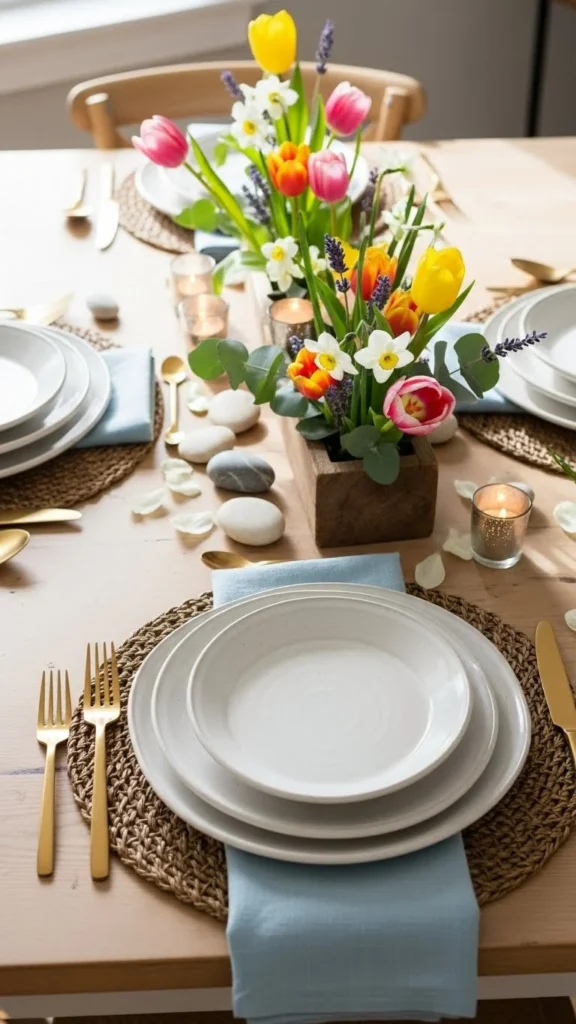
Woven placemats add warmth and texture. Natural fibers like jute or seagrass pair well with spring decor. They also protect your table during meals.
Choose simple shapes. Round or softly rectangular styles feel balanced. Stick to neutral tones so dishes stand out.
Placemats are easy to store and swap. If you host often, keep extras on hand. For a budget option, look for sets at discount stores or secondhand.
These mats ground each place setting and make even simple meals feel considered. They work well for daily use and gatherings alike.
6. Soft Fabric Dining Chair Cushions

Chair cushions improve comfort without changing furniture. Choose simple ties and neutral fabric. Cotton or linen blends work well.
Stick to light tones to keep the room airy. Avoid bold patterns if the table already has texture. Solid colors age better over time.
You can sew covers using basic fabric rectangles. Insert foam or batting for padding. This is a low-cost way to update older chairs.
Comfort keeps guests seated longer. Cushions also soften the look of wood or metal chairs, making the room feel more inviting.
7. Glass Pendant Lighting
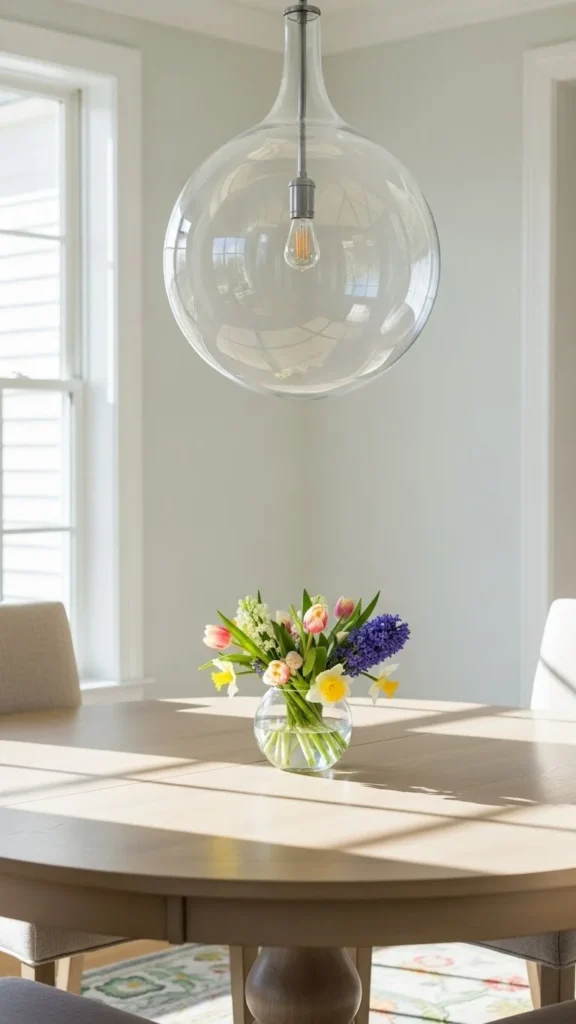
Clear glass pendants provide light without visual weight. They suit small and large dining rooms alike. The transparency keeps the ceiling feeling open.
If replacing fixtures is not an option, clean existing glass shades thoroughly. Even that small step can change how the light feels.
Choose warm bulbs to avoid harsh glare. Adjustable cords allow you to set the height just above eye level.
Lighting shapes mood more than many decor items. A simple glass fixture supports a hosting-friendly atmosphere without drawing too much attention.
8. Layered Table Textiles
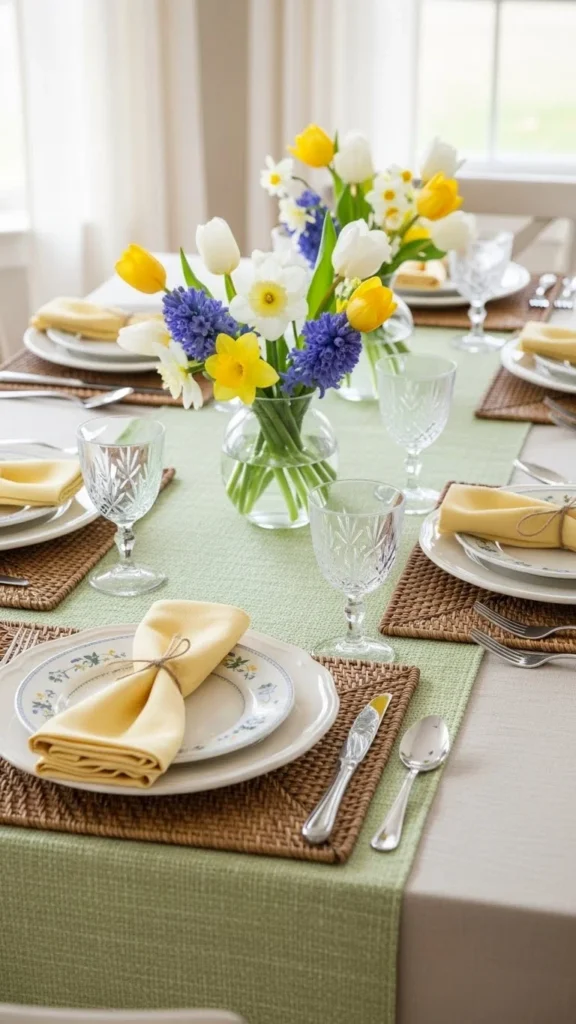
Layering textiles adds depth without clutter. Start with a runner, then add placemats, and finish with cloth napkins. Keep colors close to each other.
This setup feels thoughtful yet relaxed. It works well for both casual meals and gatherings.
Use what you have. Even mismatched napkins can work if tones are similar. Folding napkins loosely keeps the look soft.
Layering allows flexibility. Remove one element for everyday use, then add it back when hosting.
9. Simple Wall Art in Soft Tones

Wall art sets the backdrop for your table. Choose pieces with calm colors and simple forms. Abstract shapes or nature-inspired prints work well.
Frames should feel light. Wood or thin metal frames suit spring styling. Avoid oversized pieces that overpower the room.
Prints can be inexpensive. Digital downloads printed at home work well. Group two or three pieces for balance.
Art gives the room personality while staying understated. It supports the space without competing with table decor.
10. Low Profile Serving Bowls
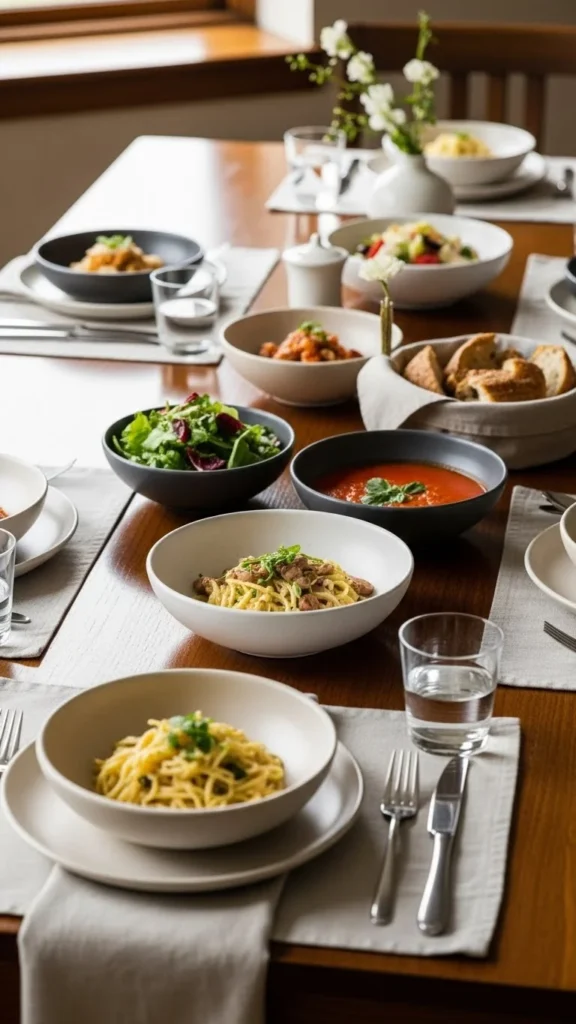
Serving bowls can double as decor. Choose shallow ceramic bowls in neutral tones. Keep them centered when not in use.
They add texture and hint at hospitality. During gatherings, they move easily into service.
Thrift stores often carry unique bowls at low prices. Slight imperfections add charm.
Leaving useful items visible makes the room feel ready rather than staged.
11. Natural Fiber Rugs Under the Table
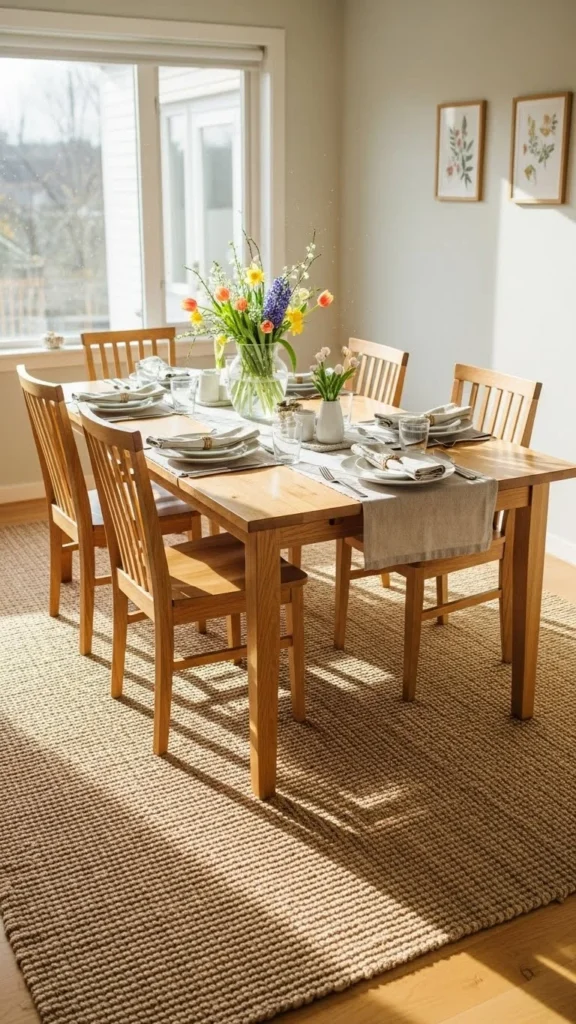
A rug anchors the dining area. Natural fiber styles feel grounded and calm. Choose a size that allows chairs to slide easily.
Flat weaves work best for dining rooms. They are easier to clean and sit evenly.
Layering a thin rug over a larger base rug can add depth if you already own one.
This addition defines the space and makes it feel complete.
12. Neutral Curtains That Filter Light
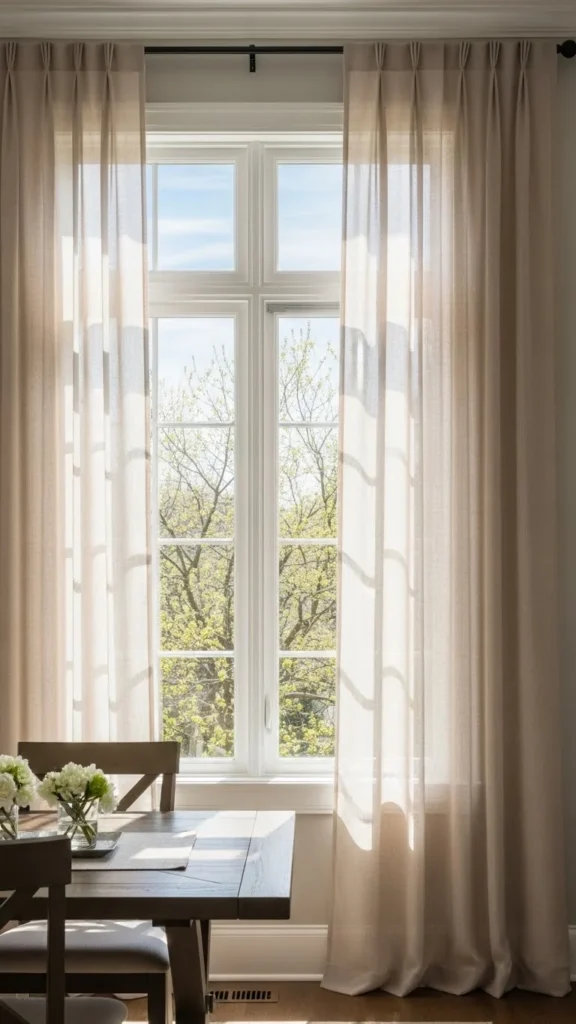
Curtains soften hard lines and filter sunlight. Choose light fabrics that let light through while adding privacy.
Hang rods slightly higher than the window to create height. Neutral tones keep the look calm.
If curtains feel costly, try fabric panels or simple rods. Even minimal coverage changes the room.
Light-filtering curtains support daytime gatherings and relaxed meals.
13. Minimal Tabletop Decor Trays
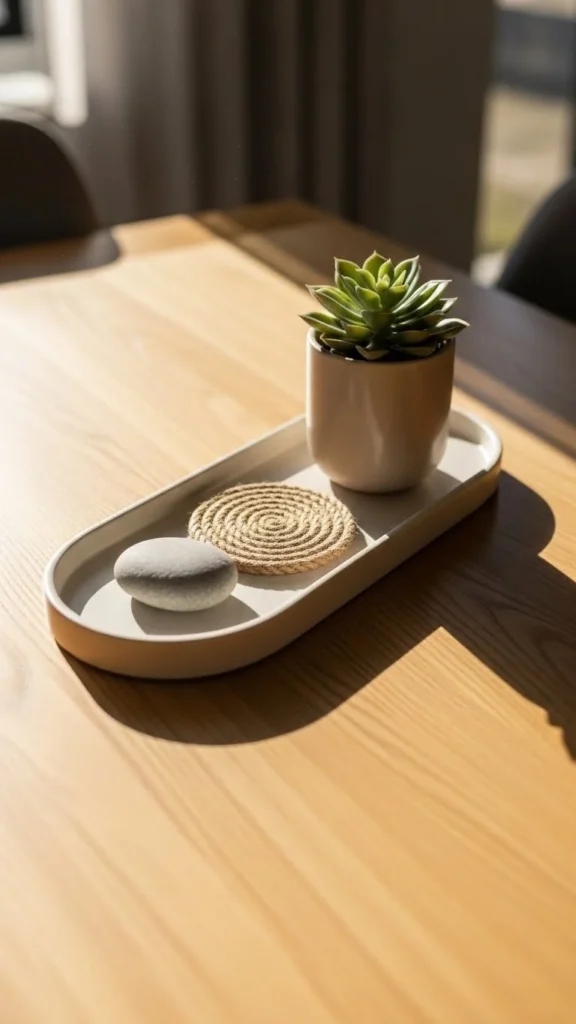
A small tray helps contain decor. Use it to group items like candles or bowls. This keeps the table organized.
Choose materials like ceramic or wood. Keep the tray low to avoid blocking views.
Trays make clearing the table easier. Lift one item instead of many.
This approach feels tidy and intentional.
14. Mismatched Neutral Napkins
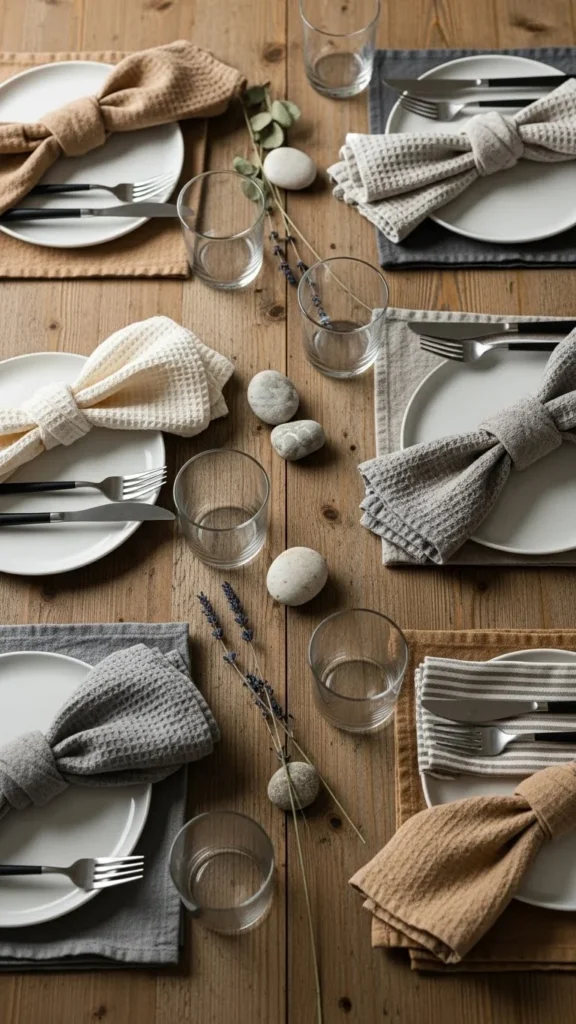
Mismatched napkins feel relaxed yet thoughtful. Stick to a shared color family for cohesion.
Fold them simply. Casual folds look more inviting than tight shapes.
Use what you have. Collecting napkins over time adds charm.
This detail feels personal and welcoming.
15. Slim Sideboards for Storage
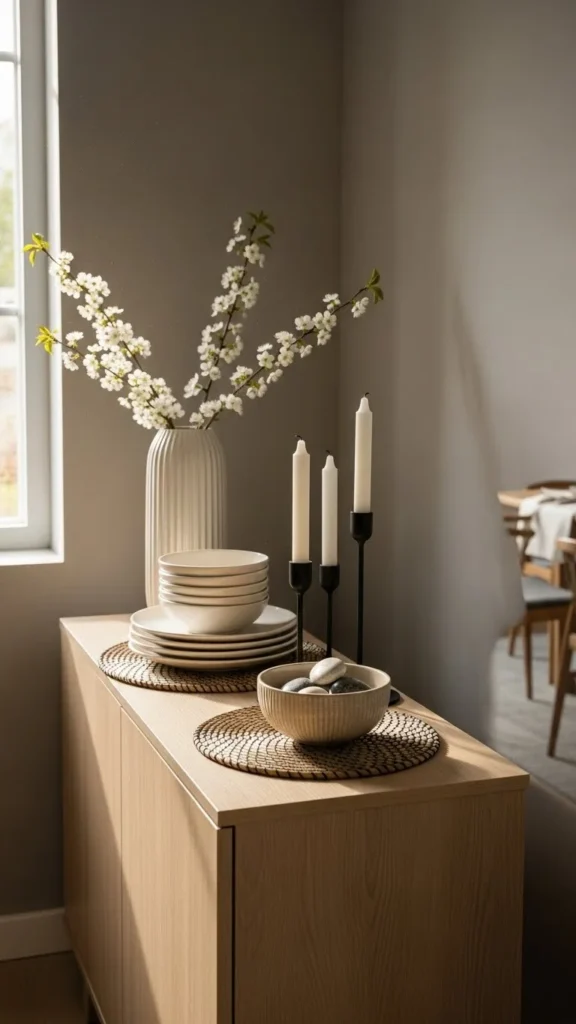
A narrow sideboard adds function without crowding. Use it to store serving pieces and linens.
Style the top lightly. A lamp, bowl, or framed art works well.
Secondhand furniture often fits dining rooms better than bulky new pieces.
This keeps hosting tools close and the room organized.
16. Soft Candlelight Without Overcrowding
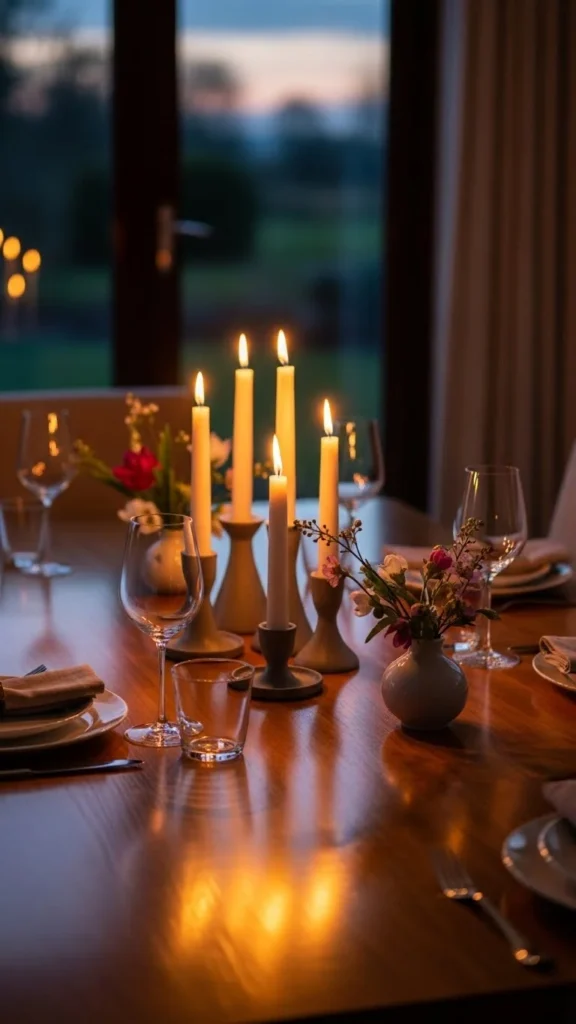
Candles add warmth even during daytime. Use a few spaced out holders.
Choose simple shapes. Neutral holders blend into the setting.
Battery options work well for frequent use.
This touch adds comfort without clutter.
17. Round Tables for Easy Conversation
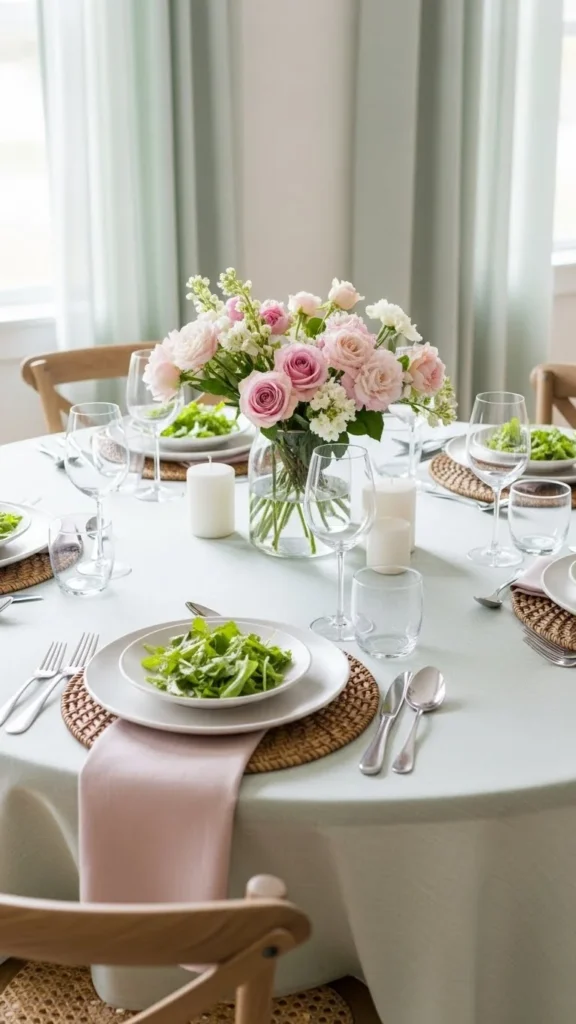
Round tables support conversation naturally. If replacing furniture is not possible, try a round topper.
They soften the room and help guests connect.
Use a central runner or small centerpiece to anchor the look.
This shape supports relaxed gatherings.
18. Simple Place Card Holders
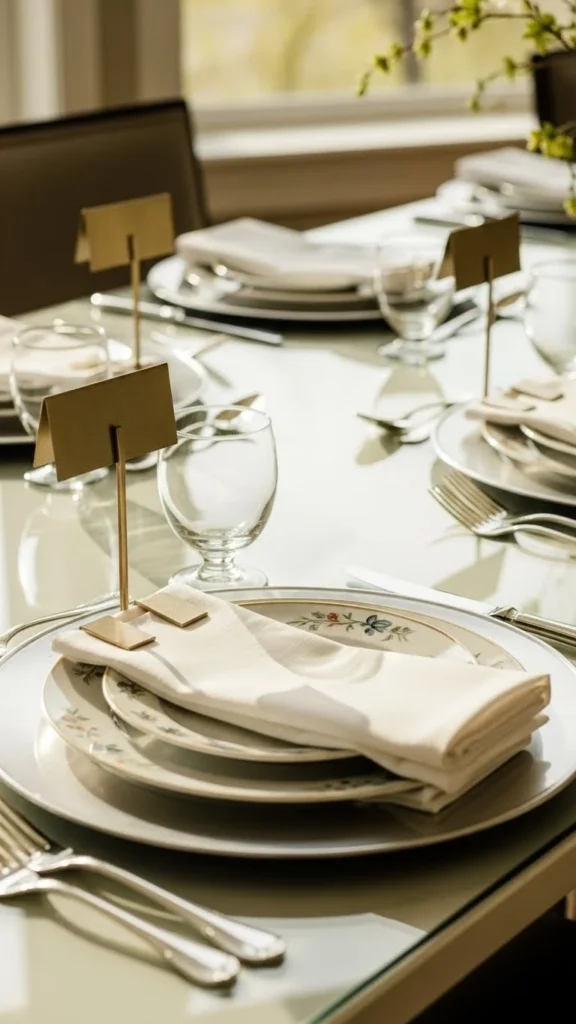
Place card holders add order without fuss. Use them for gatherings or even daily meals.
Simple metal or wood styles work best.
You can repurpose them as photo holders later.
This adds a hosting touch with little effort.
19. Soft Wall Colors
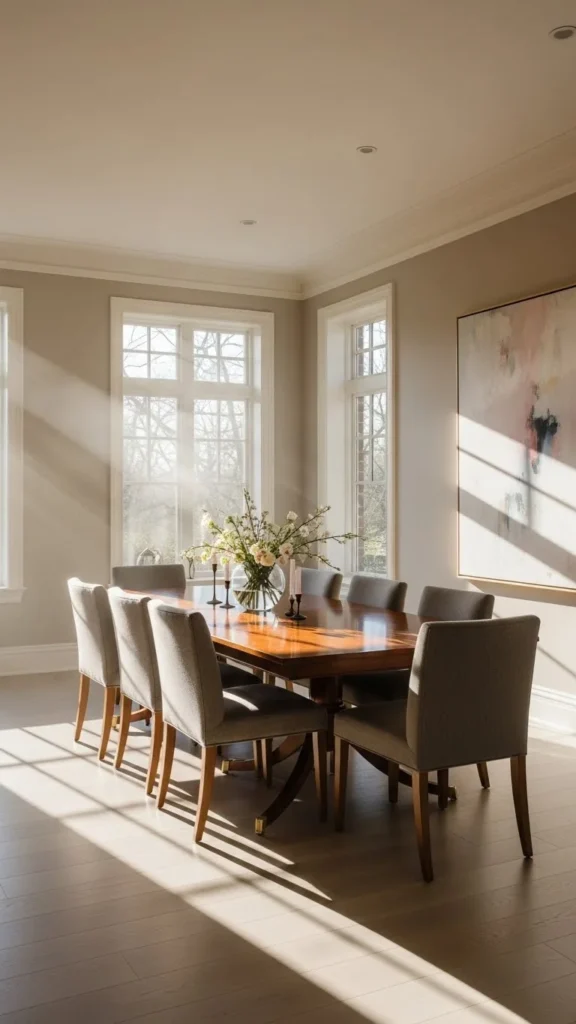
Wall color shapes mood. Light neutrals make the room feel open.
Paint samples help avoid big changes. Even one accent wall helps.
Soft tones support seasonal decor easily.
This background lets furniture and table settings shine.
20. Natural Wood Table Finishes
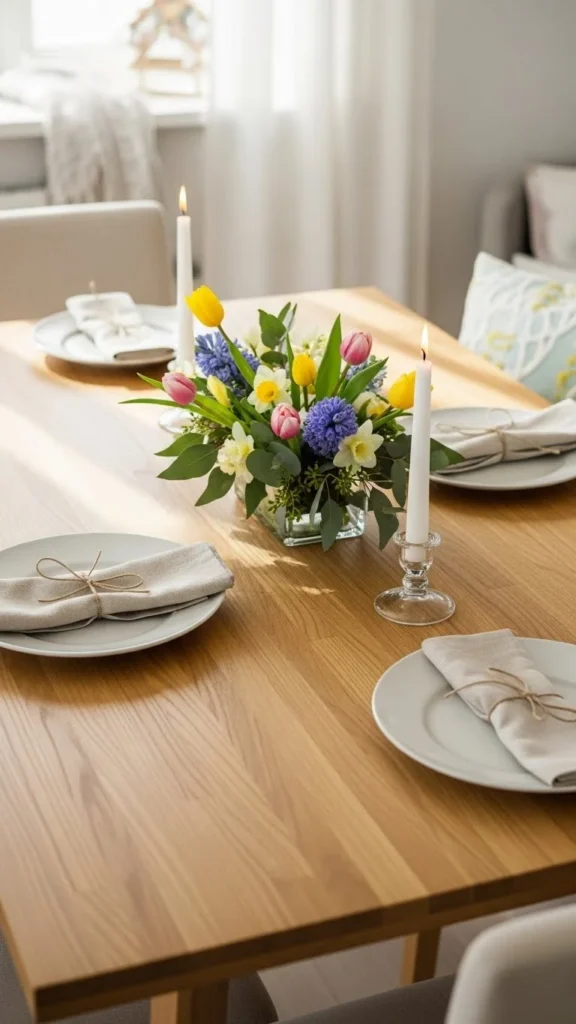
Natural wood tables feel grounded and calm. Let the grain show.
If refinishing is not possible, use a light tablecloth occasionally.
Keep decor minimal so the surface stands out.
This surface supports many decor styles.
21. Simple Bench Seating
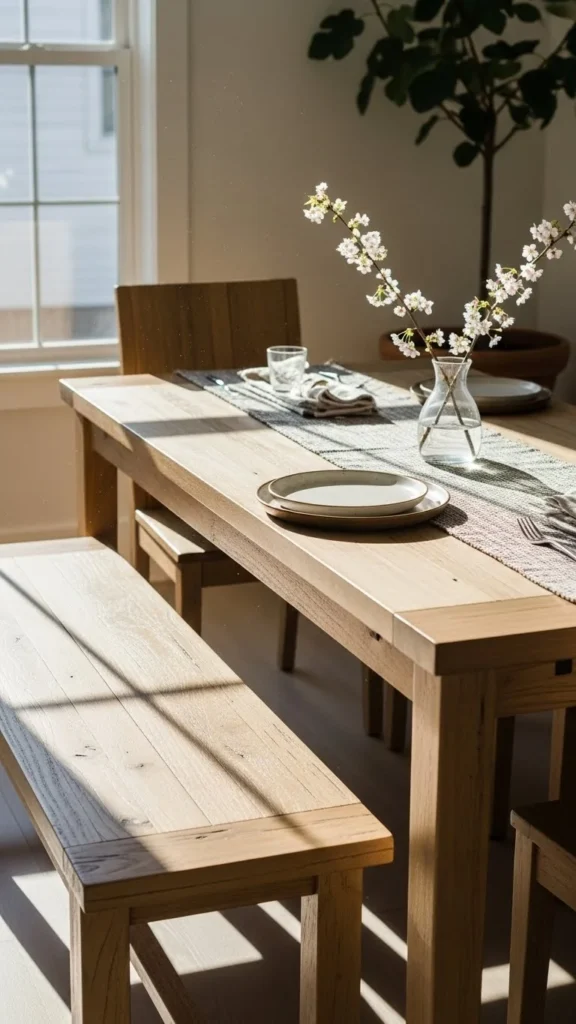
Benches add flexibility and casual charm. They also save space.
Add cushions for comfort.
Secondhand benches are easy to find.
This seating option supports group gatherings.
22. Clear Glass Drinkware
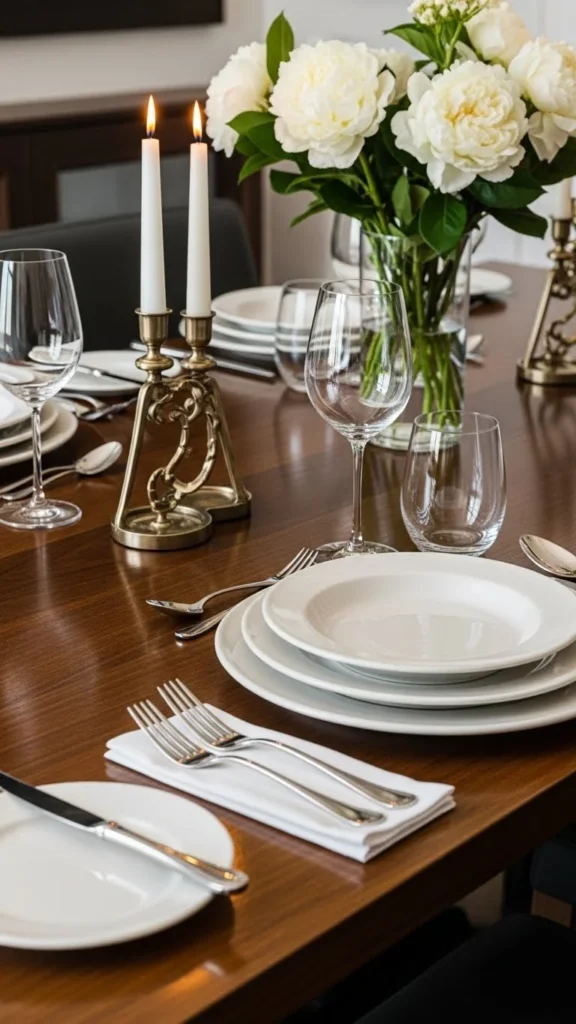
Clear glass feels light and clean. It pairs with any table setting.
Mix shapes if needed. Consistent clarity keeps it cohesive.
Glass reflects light and keeps the table open.
This simple swap supports spring styling.
23. Open Space Between Decor Pieces
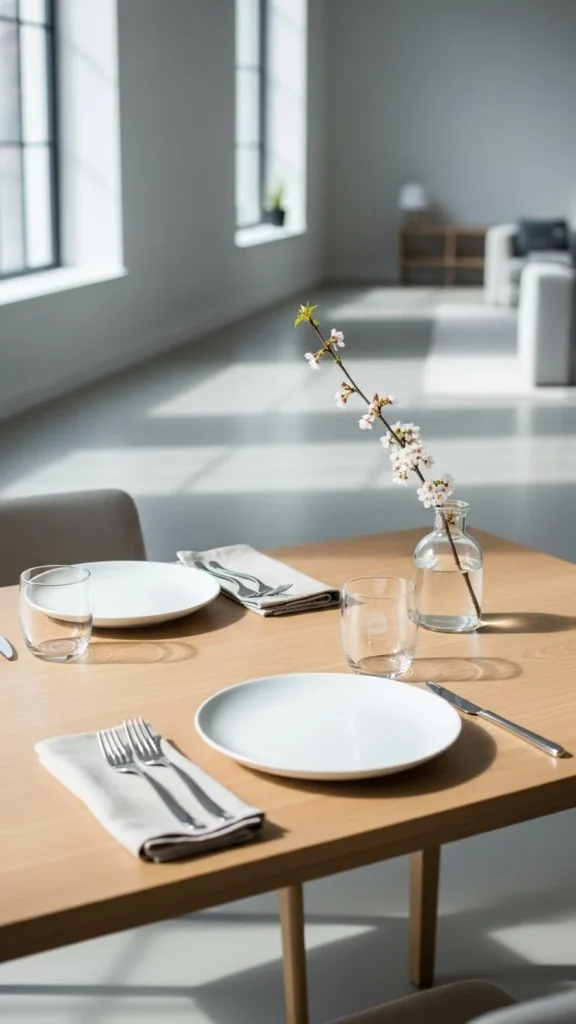
Spacing matters. Leave room between items.
This keeps the table functional and calm.
Remove extras before gatherings.
Open space helps guests feel at ease.
24. Soft Overhead Light Dimmers
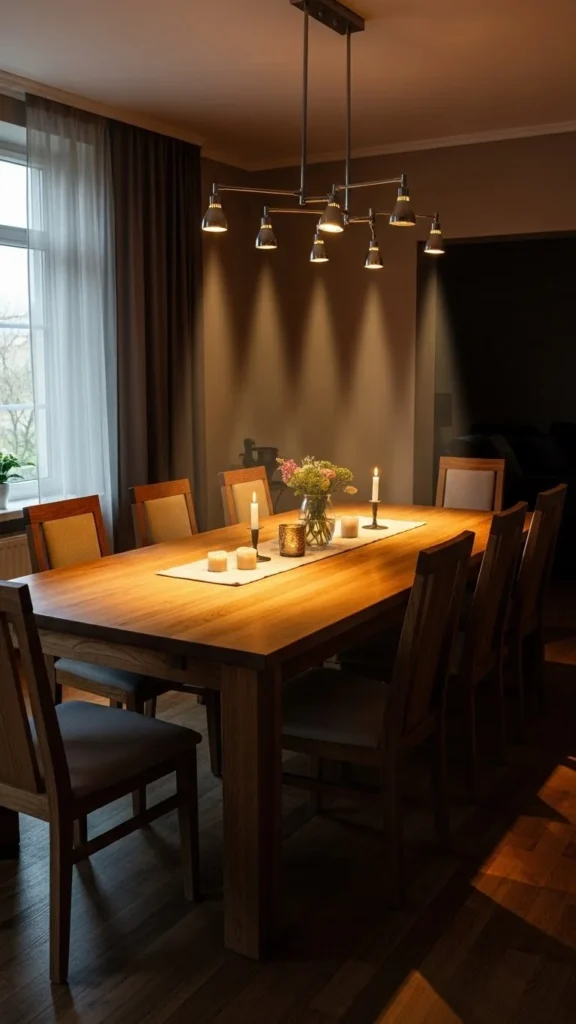
Dimmers adjust mood easily. Lower light during meals.
If installing dimmers is not an option, use layered lighting.
Control supports comfort.
Lighting shifts make a big difference.
25. Seasonal Cloth Napkin Rings
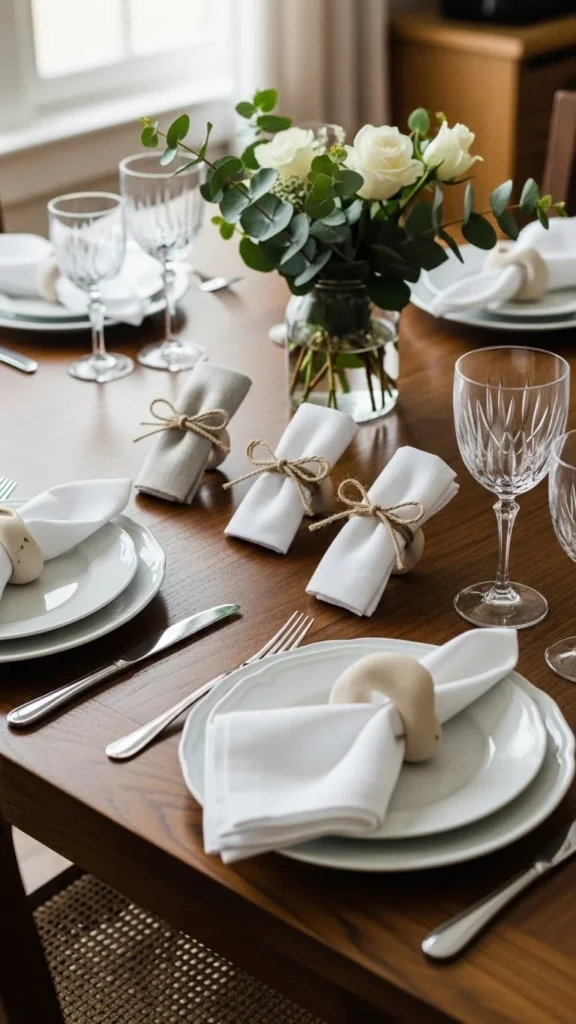
Napkin rings add detail. Keep materials simple.
Wood or metal works well.
They are easy to store and reuse.
This detail adds polish quickly.
26. Calm Ceiling Decor Choices
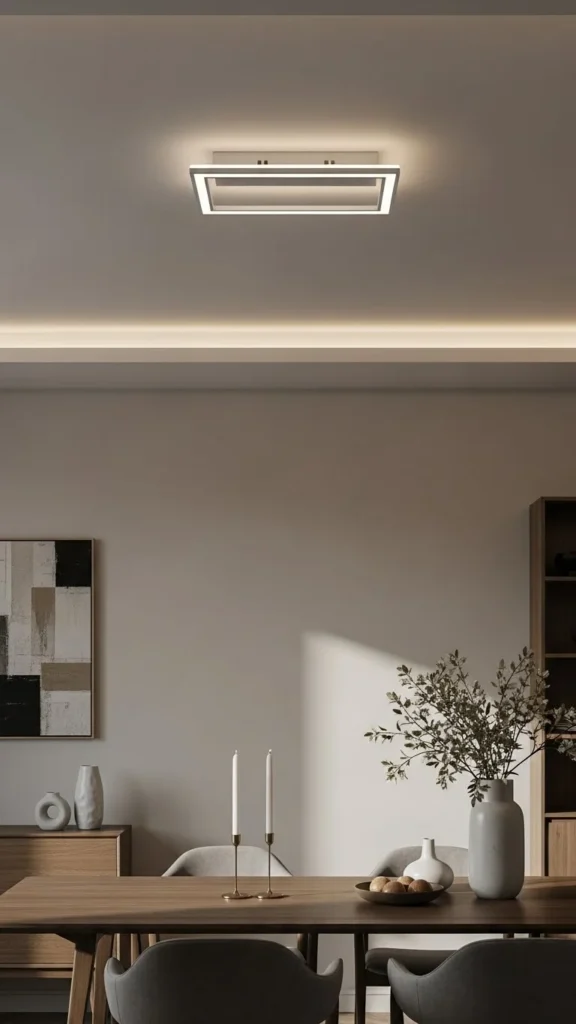
Ceiling fixtures shape the room. Keep them simple.
Avoid overly detailed designs.
Balance is key.
This keeps focus on the table.
27. Simple Entry View Into the Dining Room
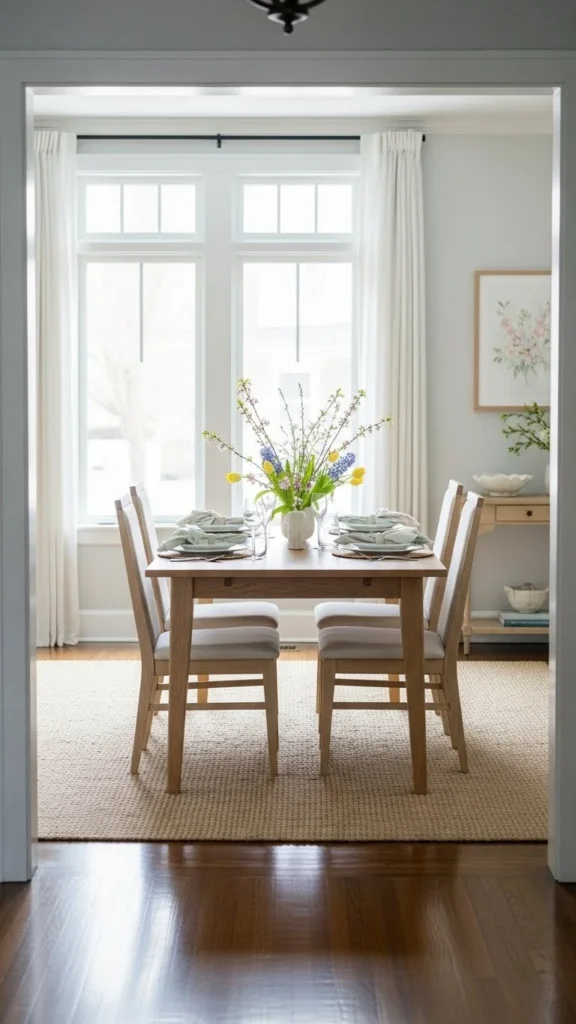
The first view matters. Keep clutter away from sightlines.
Style the table lightly.
This creates a welcoming feel.
First impressions count.
28. Everyday Items Styled With Care
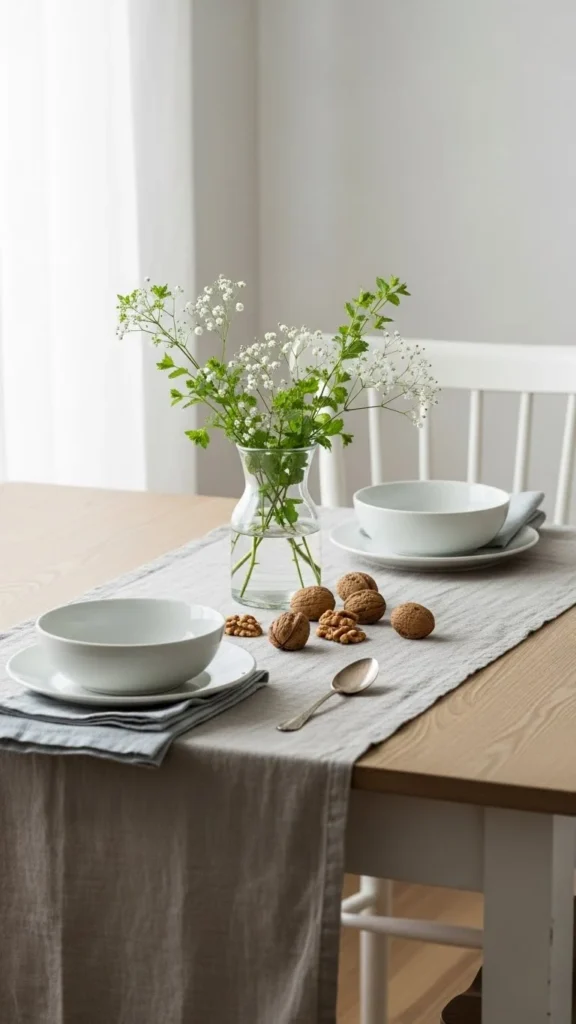
Use what you own. Arrange it thoughtfully.
Consistency matters more than quantity.
Small changes shape the room.
This approach feels natural and real.
Conclusion
A hosting-ready dining room does not rely on big purchases or complicated styling. Simple textures, light tones, and thoughtful spacing create comfort and ease. Each idea here focuses on practical changes that support real gatherings. Start with one update, build slowly, and enjoy a space that feels calm, welcoming, and ready whenever people gather around your table.

Leave a Reply