

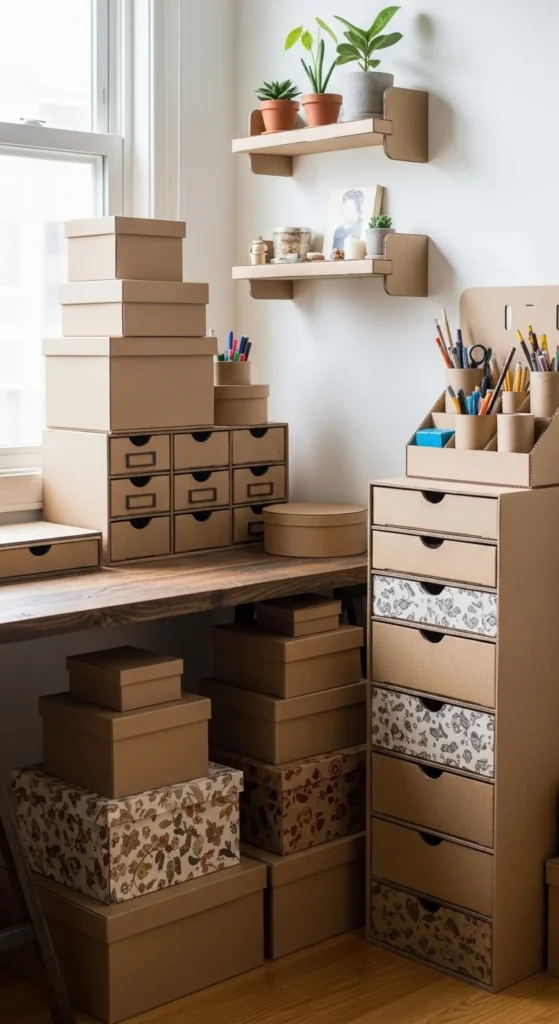
Small spaces get messy fast when there is no proper storage. Cardboard is one of the easiest materials to turn into useful organizers without spending much. It is lightweight, easy to cut, and works well for many home setups. With a few simple tools like scissors, glue, and old boxes, you can create storage that fits shelves, desks, closets, and even walls. The ideas below show practical ways to keep items sorted in a clean and simple way.
1. Shoe Storage Cardboard Boxes
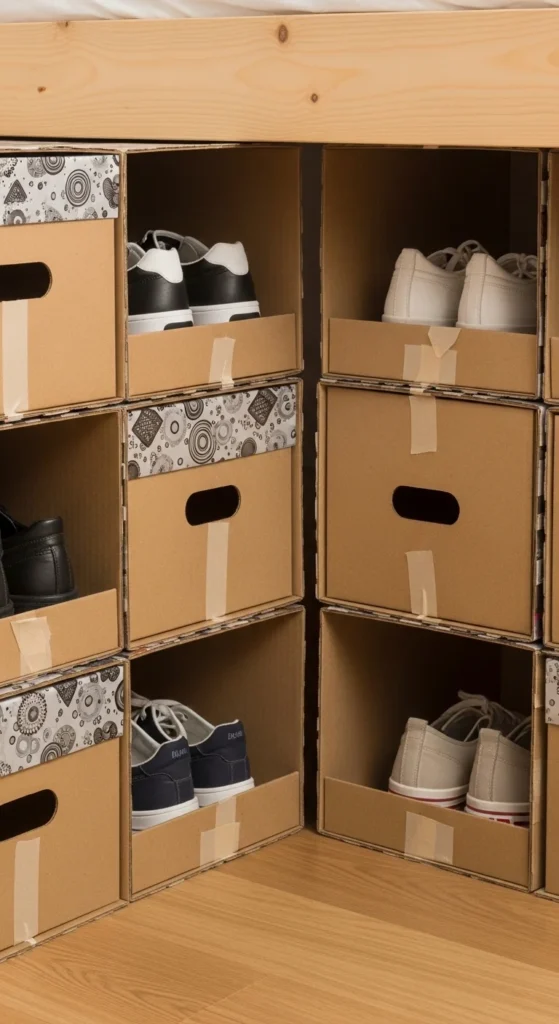
Cardboard shoe boxes are easy to build from old cartons. Cut pieces into equal rectangles and form a sturdy cube shape. Tape all edges tightly. You can adjust size for sneakers or sandals. Place each pair inside its own box. Stack them in a corner or under the bed. This helps free up floor space. You can also add cut-out handles for easy pulling. Cover the surface with wrapping paper or plain brown craft paper for a clean look. It keeps dust away from shoes. This works well for families with limited closet space. It also helps children keep shoes in one place after school. Simple structure, low cost, and reusable material make it a practical home solution.
2. Desk Drawer Dividers
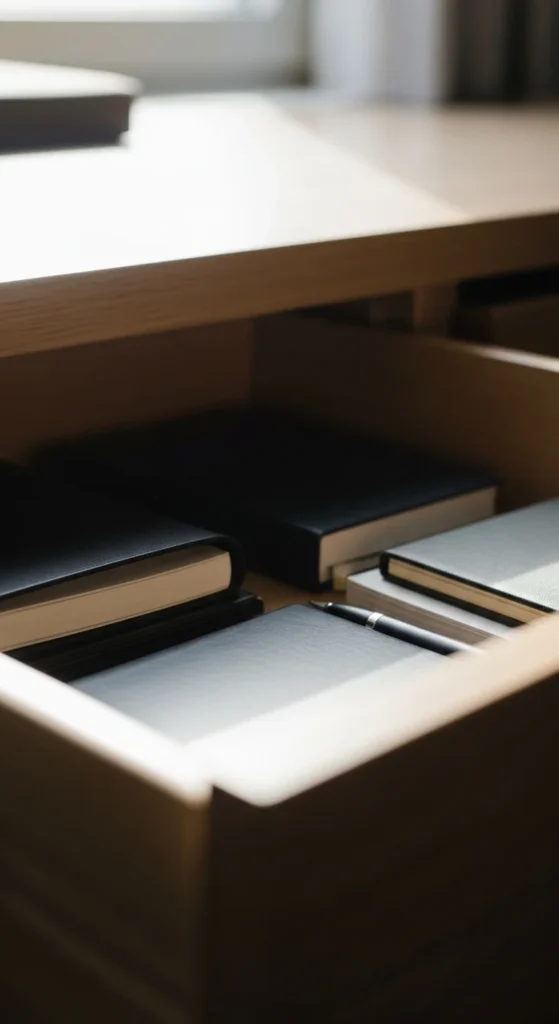
Cut thin cardboard strips and fit them inside desk drawers. Arrange them in grid shapes. This creates small sections for pens, clips, chargers, and notes. Measure the drawer before cutting. Fit each divider tightly so it stays in place. You can make adjustable slots by cutting halfway through strips and crossing them. This setup keeps small items from mixing together. It is helpful for students or home offices. Instead of buying plastic trays, cardboard works at no cost. You can replace sections anytime if needs change. Cover edges with tape for smoother handling. It keeps drawers clean and easy to use daily.
3. Wall Hanging Storage Pockets
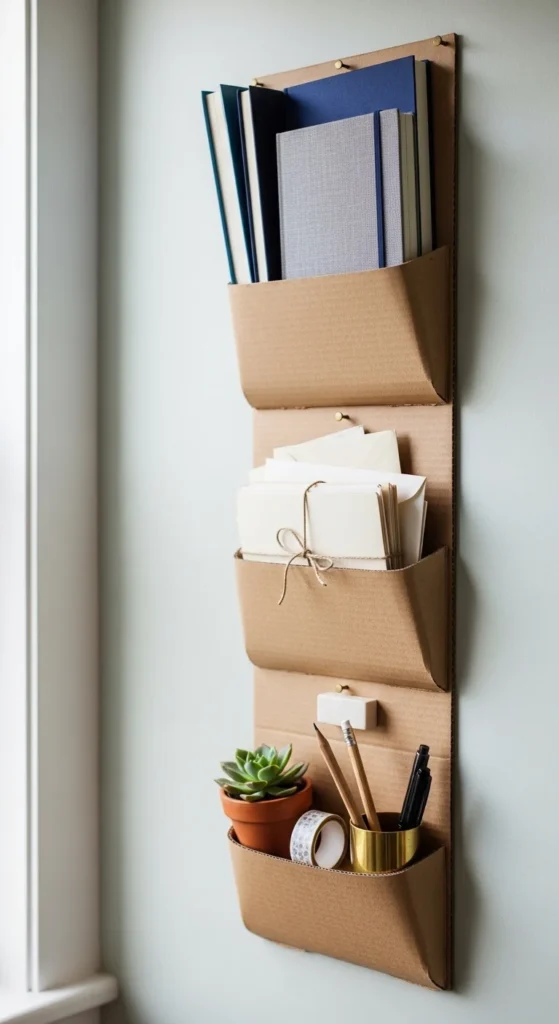
Turn flat cardboard sheets into wall pockets. Fold and glue them into pouch shapes. Attach several pockets in rows on a wall. These can hold papers, mail, notebooks, or light accessories. Use strong glue or tape at the back for mounting. Keep spacing equal for neat appearance. This saves desk space and keeps items visible. It works well in bedrooms, study corners, or small kitchens. You can paint or wrap them in fabric for a cleaner finish. Each pocket can hold different categories. It is simple, light, and easy to move when needed.
4. Kitchen Spice Organizer Rack
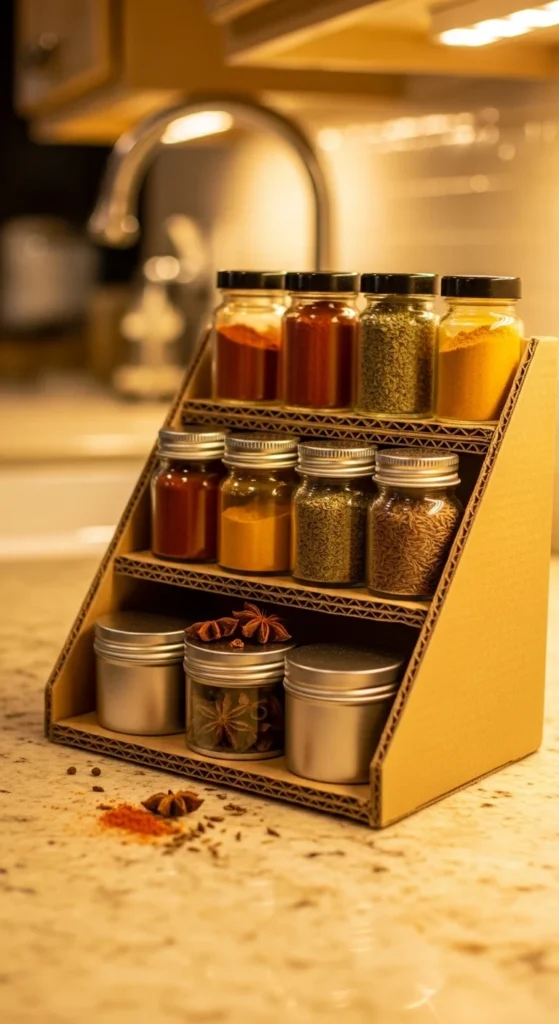
Cut cardboard into angled shelves. Stack them into a small rack for spice jars. Each layer should support light bottles or containers. Glue supports at the back for strength. Place it near the cooking area for quick access. You can line the surface with paper to avoid stains. This helps organize spices without buying metal racks. It fits small kitchens where counter space is limited. You can adjust shelf height depending on jar size. It is easy to rebuild if needed. Keeps cooking space tidy and functional.
5. Charging Station Box
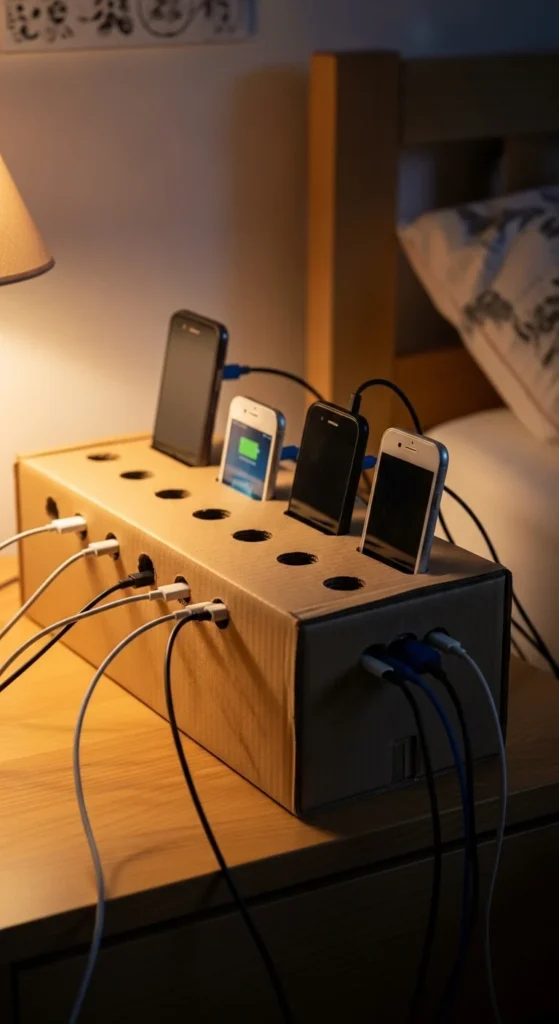
Make a box with small holes for charging cables. Place it on a table or shelf. Phones rest inside while charging, keeping wires hidden. Cut openings on the side for cords. Reinforce edges with tape. This prevents tangled cables and clutter. It is useful for shared family charging areas. You can divide inside space with small partitions for each device. It keeps electronics in one place and reduces mess. A simple solution for daily device use.
6. Makeup Organizer Tray
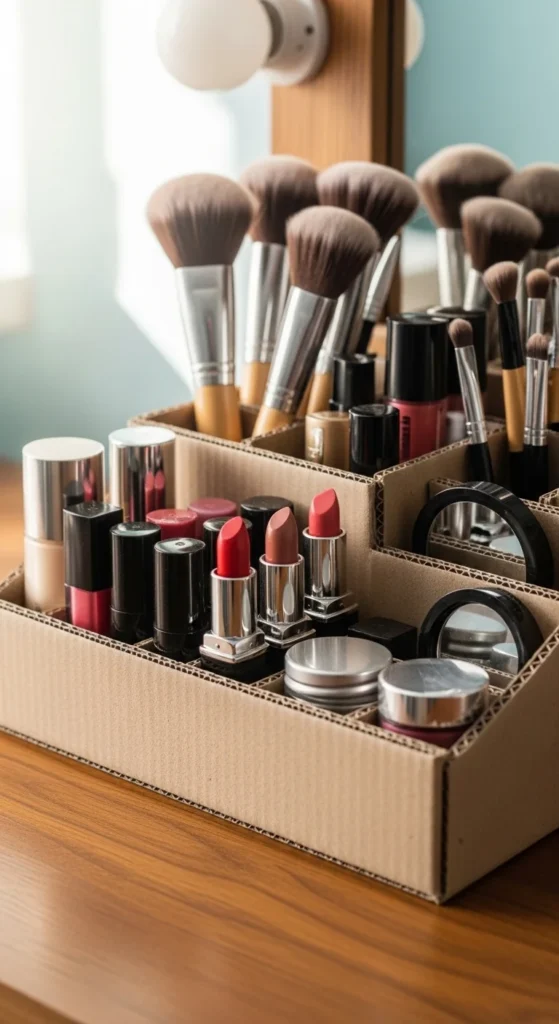
Cut small compartments from cardboard strips. Arrange them inside a shallow tray shape. Use it to store makeup items like brushes, lipsticks, and compact powders. Line the inside with decorative paper for a cleaner look. Keep sections different sizes based on item shape. This helps avoid clutter on dressing tables. It is light and easy to move. You can adjust layout anytime. Good for small bedrooms where space is limited.
7. Kids Toy Storage Bins
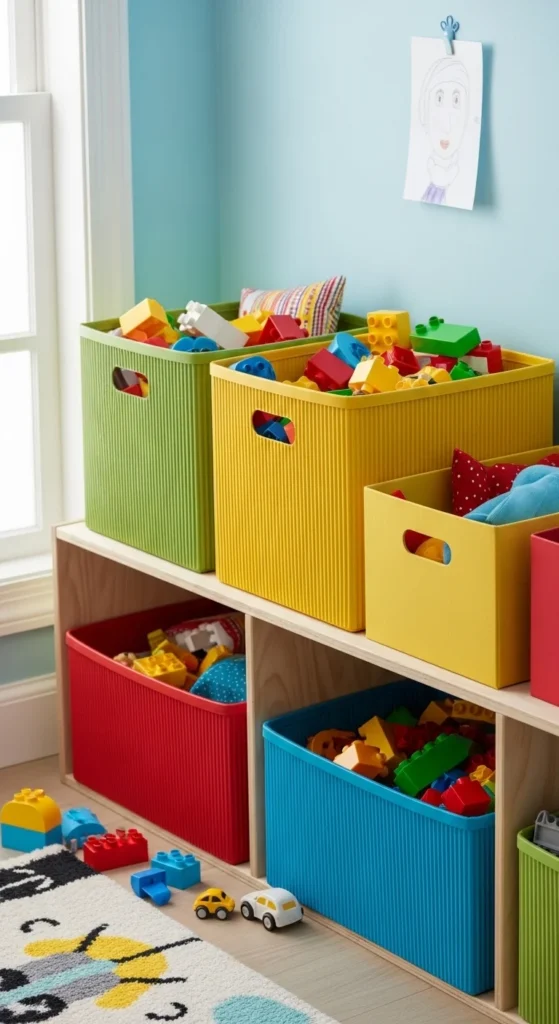
Build large cardboard boxes for toy storage. Reinforce corners for strength. Add handles for easy lifting. Kids can place toys inside after playing. You can label bins using colors or shapes instead of text. This teaches simple organization habits. Place bins under beds or in corners. It keeps rooms tidy without expensive furniture. You can change bin sizes based on toy types.
8. Magazine Holder Stand
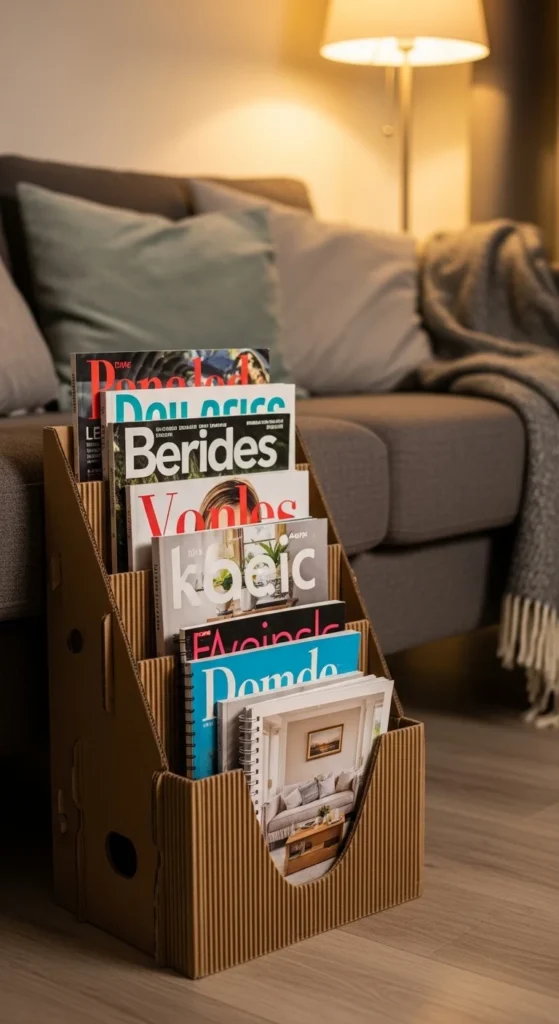
Fold cardboard into a triangular or rectangular stand. Place magazines inside upright. Keep edges firm using tape. This fits beside sofas or beds. It keeps reading materials easy to reach. You can cover it with fabric or paper for better appearance. Lightweight structure allows easy movement. It also works for newspapers or documents.
9. Closet Shelf Organizer Boxes
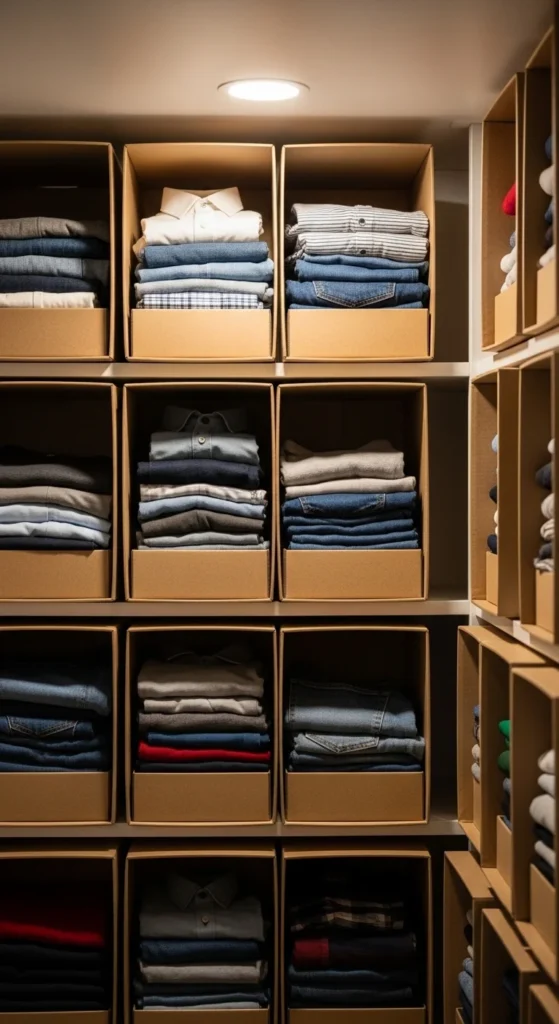
Create medium-sized cardboard boxes for folded clothes. Place them on closet shelves. Each box can hold shirts, socks, or accessories. Add labels using colors or patterns. This keeps clothing sorted without mixing. It helps maximize vertical space in small closets. Boxes can be replaced easily when worn out. Simple design works in rented homes too.
10. Under-Bed Storage Drawers
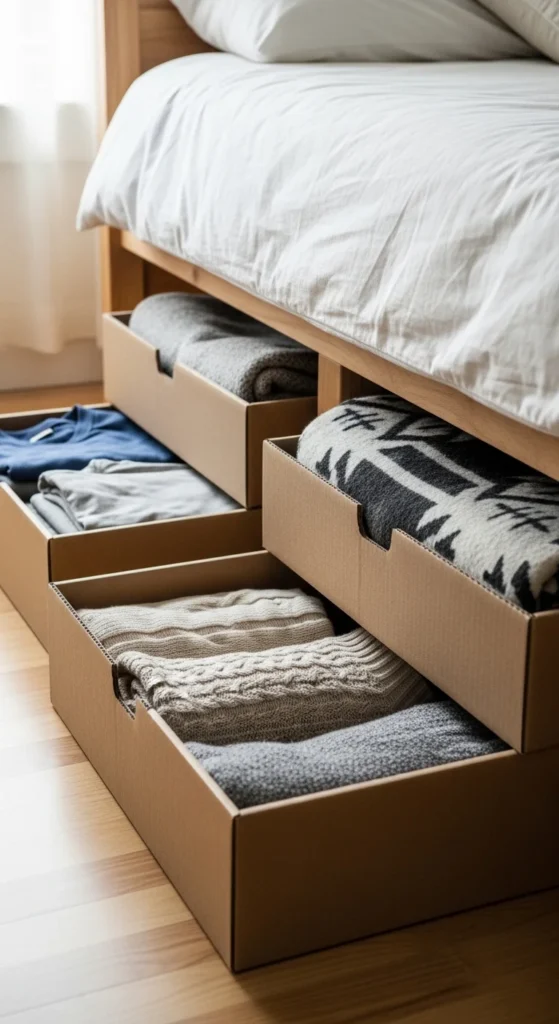
Build flat rectangular boxes that slide under beds. Add smooth tape layers at the base for sliding. Store seasonal clothes, blankets, or shoes. This uses hidden space effectively. Add small pull tabs for access. It reduces clutter in closets. Lightweight and easy to rebuild when needed.
11. Cable Organizer Box
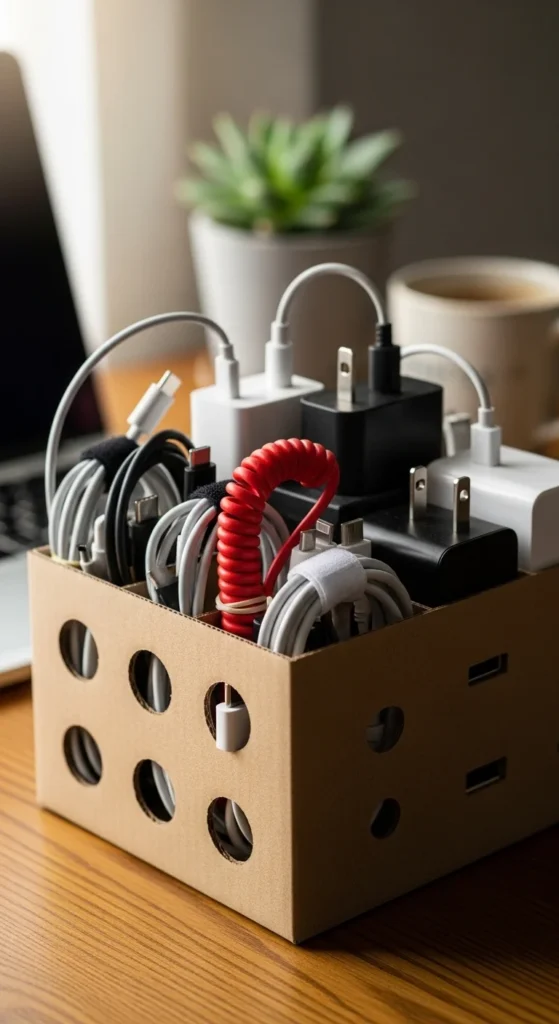
Cut small holes on a cardboard box lid. Feed cables through each hole. Store chargers inside the box. This prevents tangled wires. Keep box near desks or entertainment areas. It works well for multiple devices. Simple setup with low cost materials.
12. Pantry Storage Containers
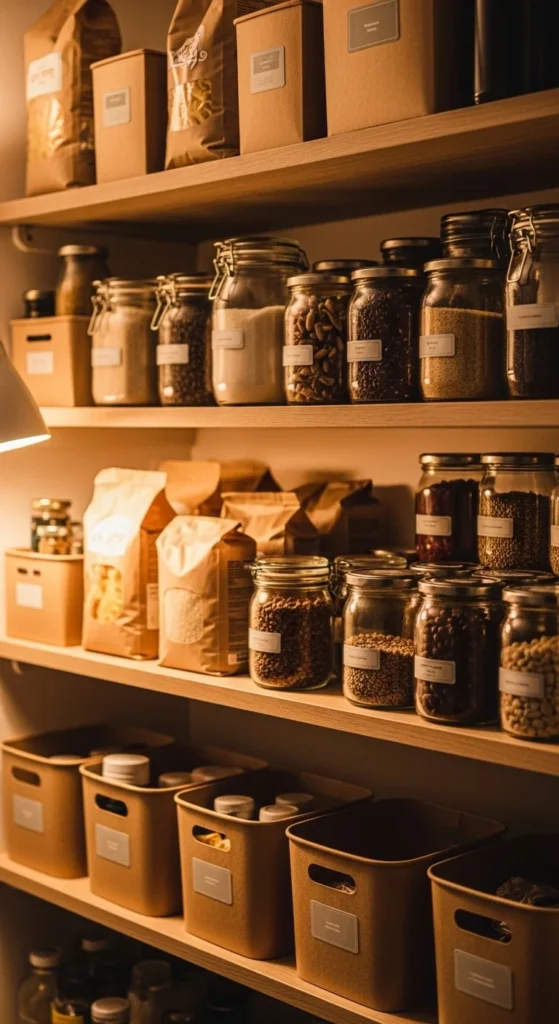
Make sturdy cardboard containers for pantry items. Store packets, snacks, or dry goods. Keep shapes uniform for stacking. Line inside with paper to avoid spills. Helps keep pantry shelves organized. Easy to rebuild when needed.
13. Craft Supply Organizer Box
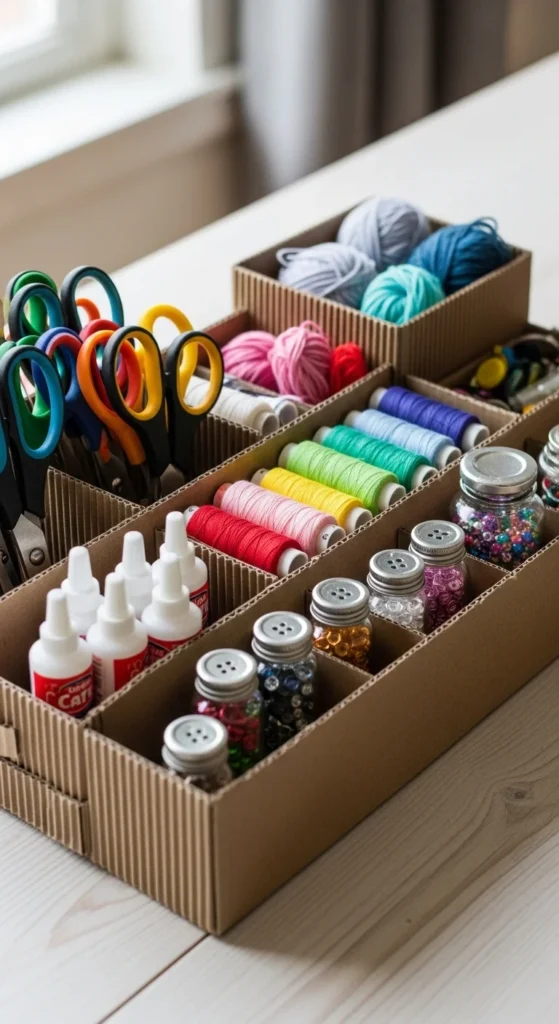
Divide cardboard boxes into sections for craft tools. Store scissors, glue, threads, and papers. Keep items separated for quick access. Useful for hobby spaces or student desks. Lightweight design allows portability.
14. Bathroom Essentials Holder
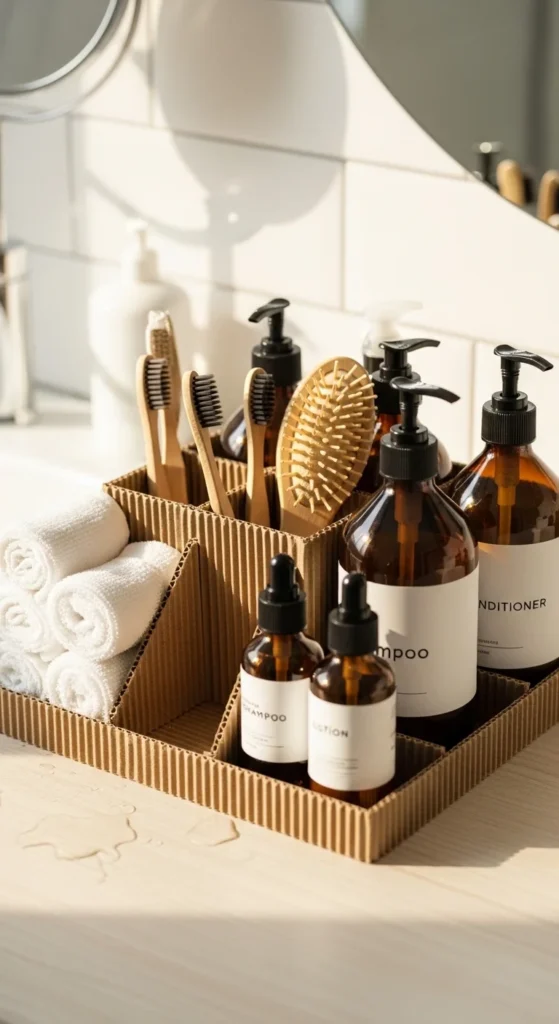
Make moisture-resistant cardboard holders for bathroom items. Store towels, soaps, and brushes. Keep on shelves or counters. Line with waterproof paper for durability. Helps keep small bathrooms organized.
15. Vertical File Organizer
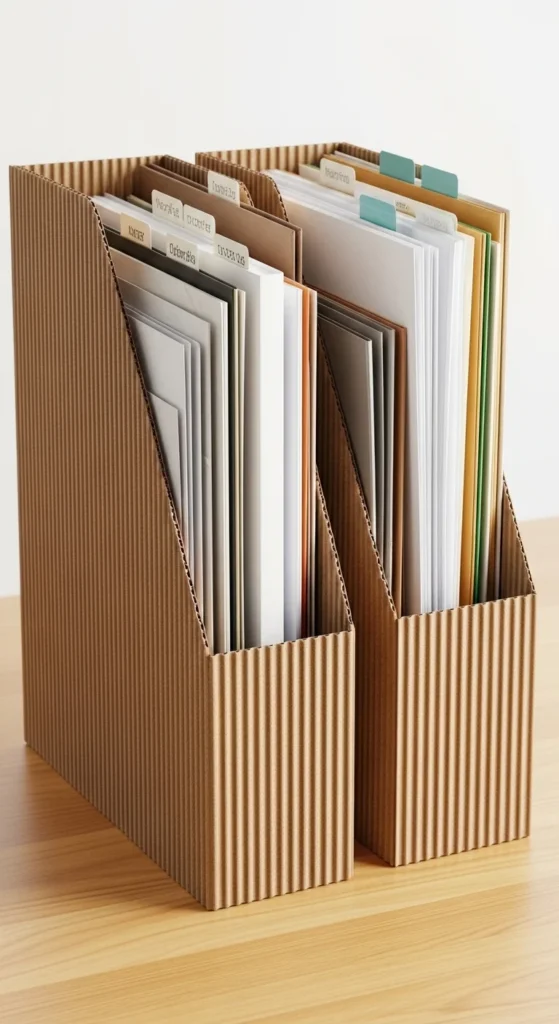
Cut angled slots in cardboard for files. Stand them upright on desks. Organize papers by category. Keeps workspace tidy and documents easy to find.
16. Jewelry Storage Compartments

Create small padded sections in cardboard trays. Store jewelry separately. Prevents tangling. Place on dressing tables for daily use.
17. Kids Study Desk Organizer
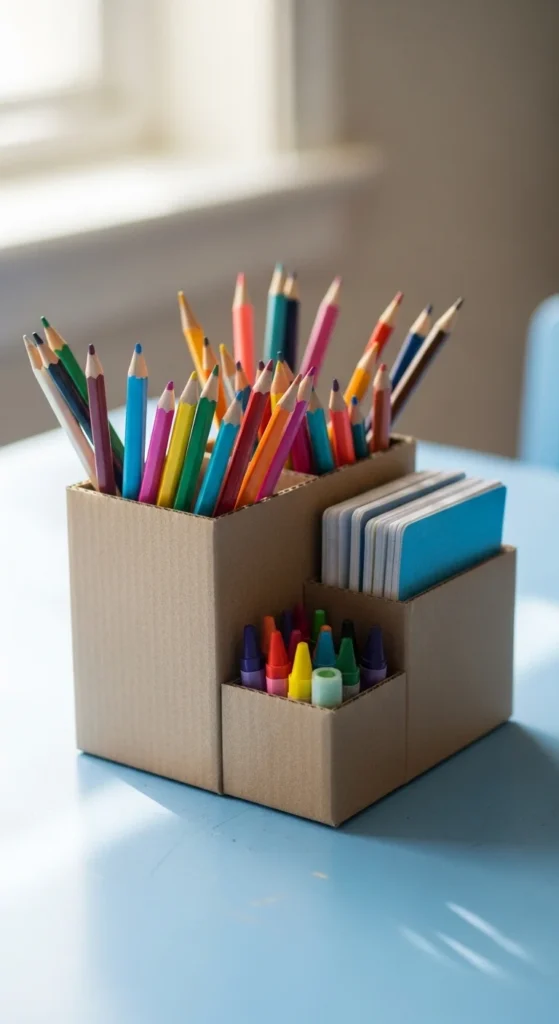
Build multi-section desk organizers for kids. Keep stationery sorted. Encourages clean study habits. Lightweight and easy to move.
18. Wardrobe Accessory Boxes
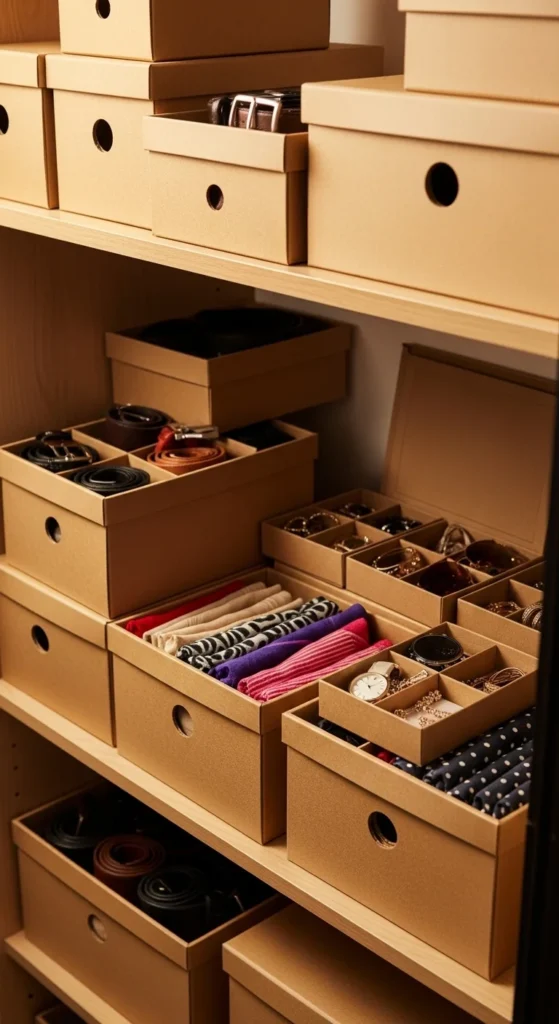
Use small boxes for accessories. Store belts, scarves, and ties. Keeps wardrobe tidy and organized.
19. Remote Control Holder
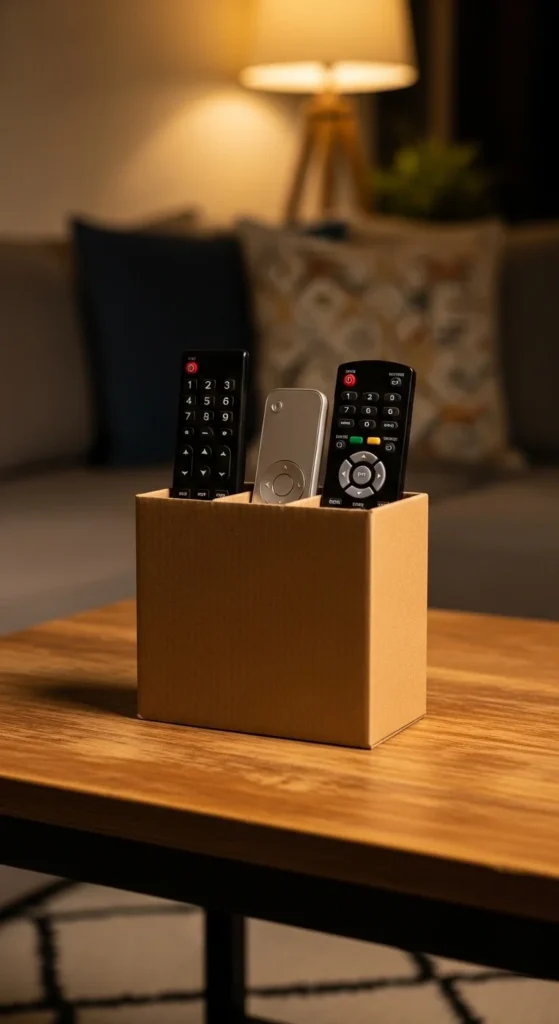
Create small angled box for remotes. Keep near sofa. Prevents losing remotes. Simple and effective storage.
20. Pantry Label-Free Sorting Boxes
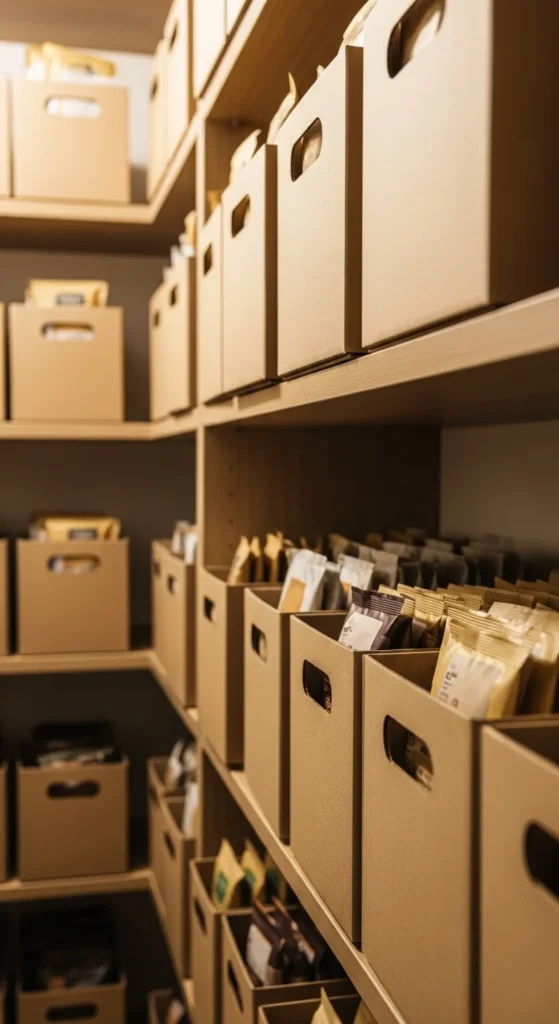
Use identical boxes for pantry sorting. Arrange by category. Keeps shelves visually clean.
21. Sewing Kit Organizer
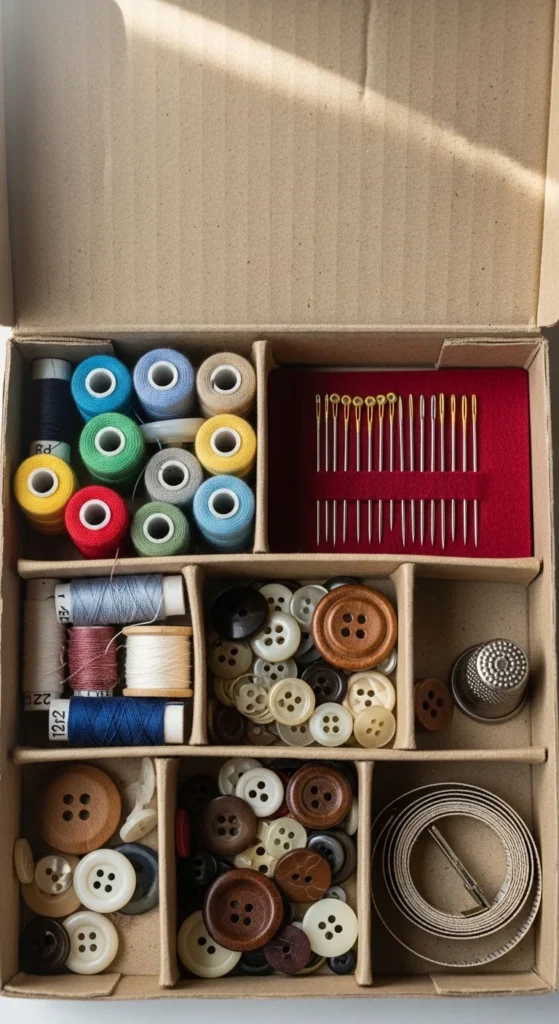
Make small compartments for sewing tools. Keeps items together for quick access.
22. Laptop Accessory Storage Box
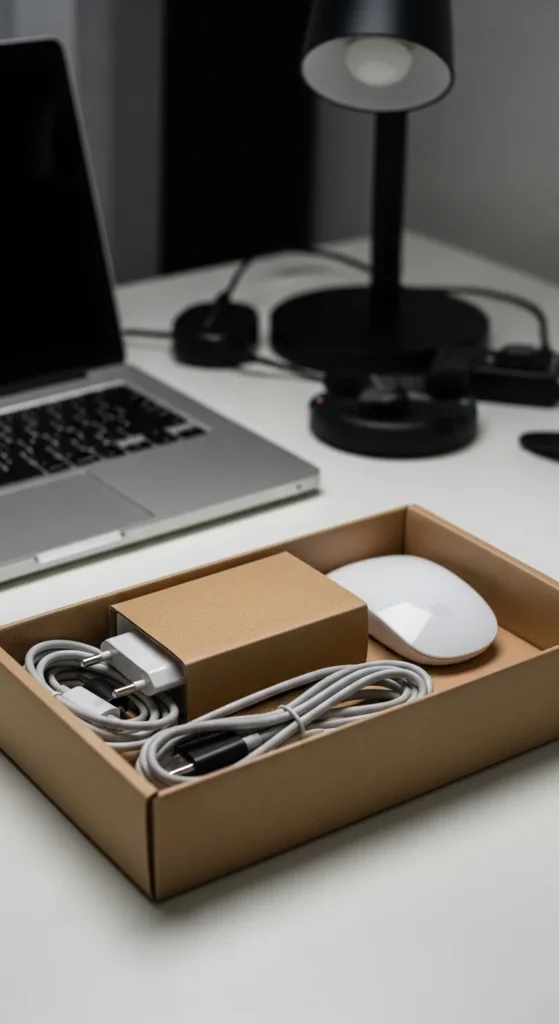
Store laptop accessories in one box. Reduces desk clutter.
23. Kids Art Supply Caddy
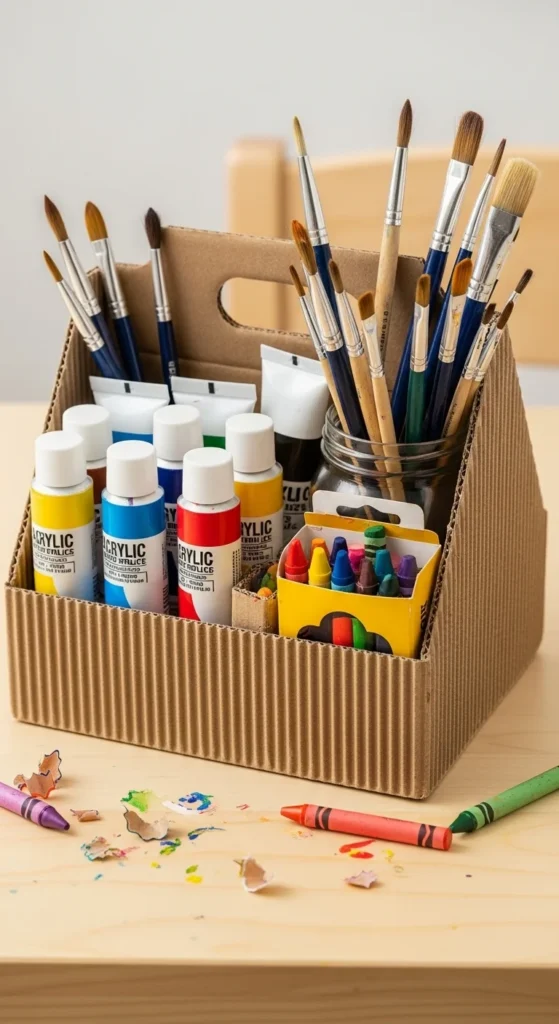
Organize art supplies in portable box. Easy for kids to carry.
24. Bedside Mini Organizer
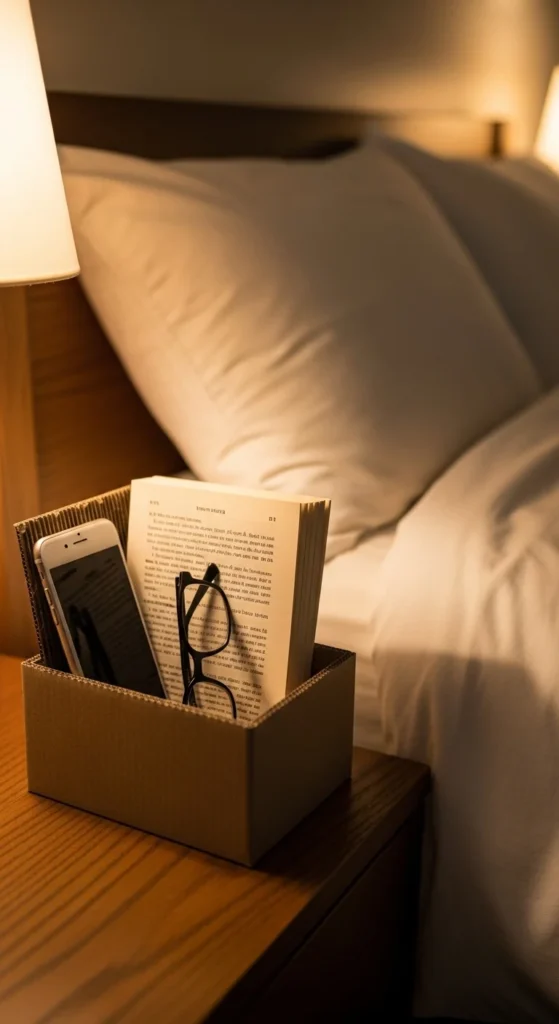
Keep essentials near bed in a small box.
25. Kitchen Drawer Spice Inserts
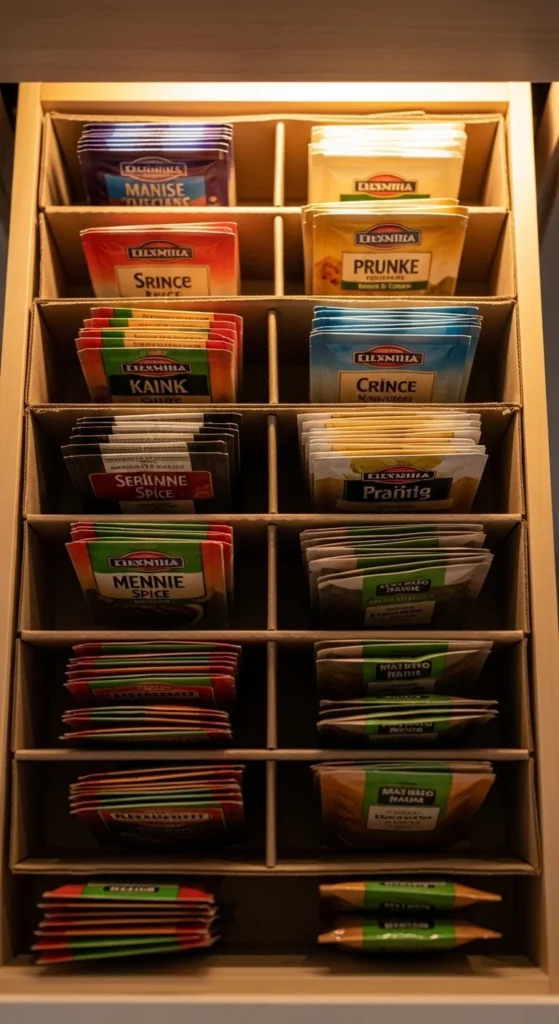
Organize spice packets inside drawers.
26. Foldable Storage Crates
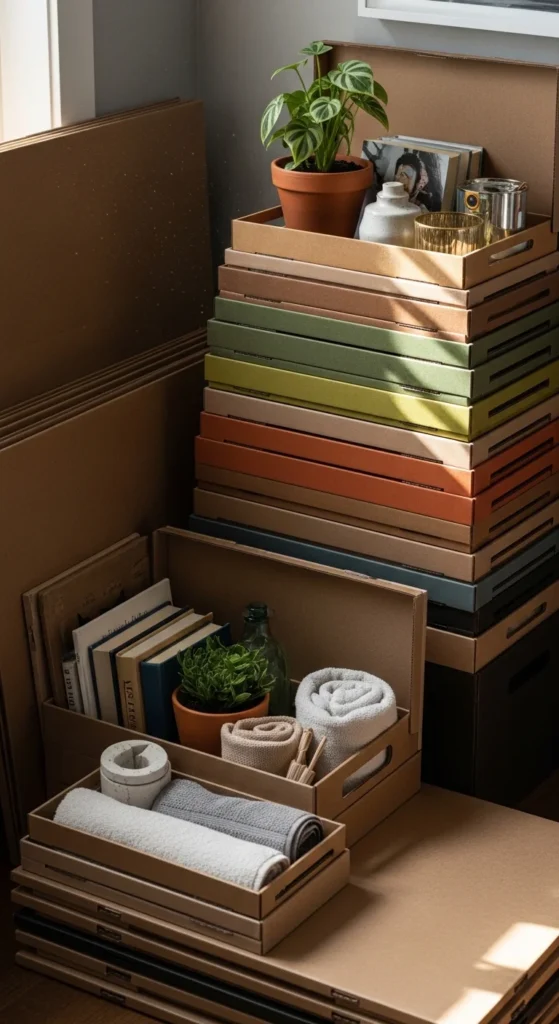
Create collapsible storage crates for flexible use.
27. Laundry Basket Box
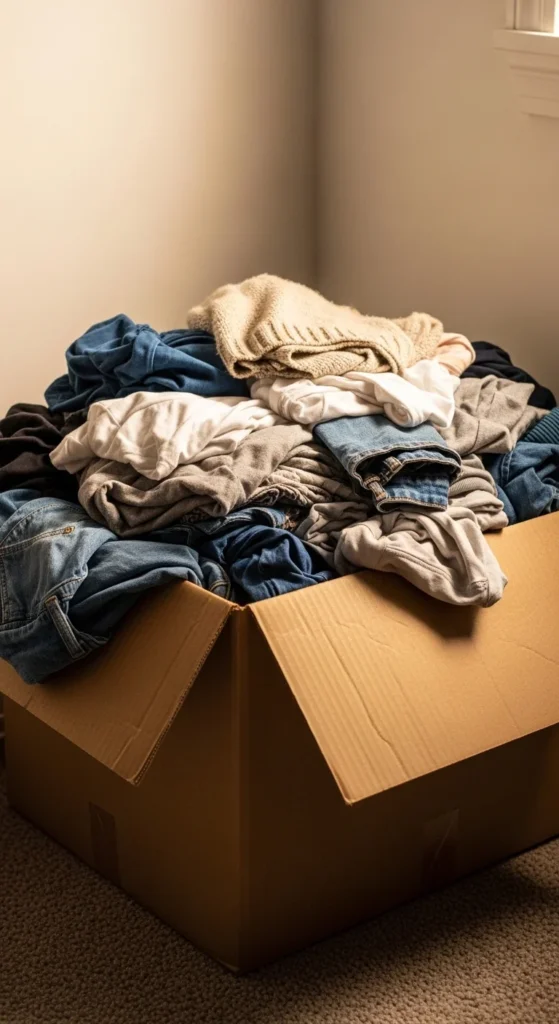
Use reinforced box for laundry storage.
28. Entryway Mail Organizer
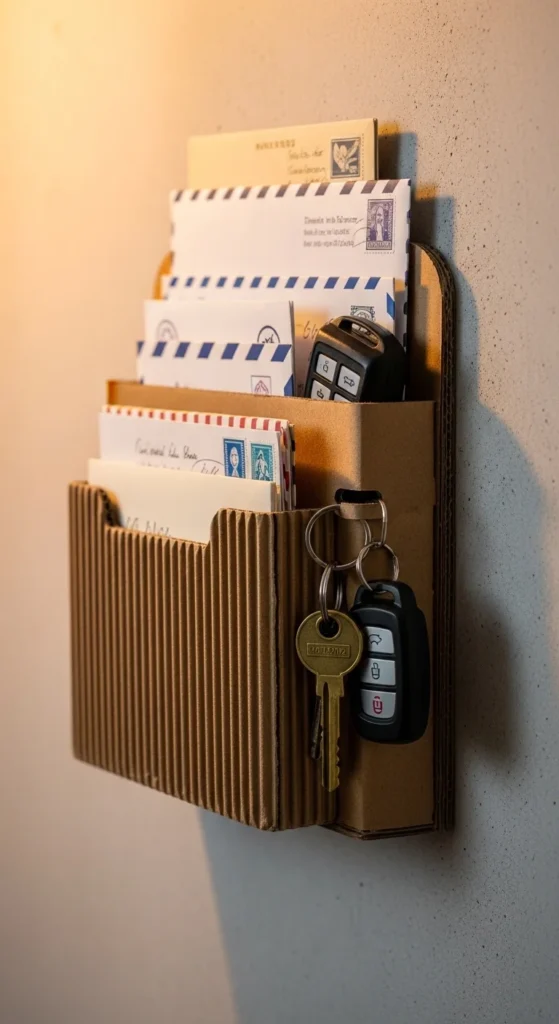
Sort mail and small items near entry.
29. Stackable Modular Boxes
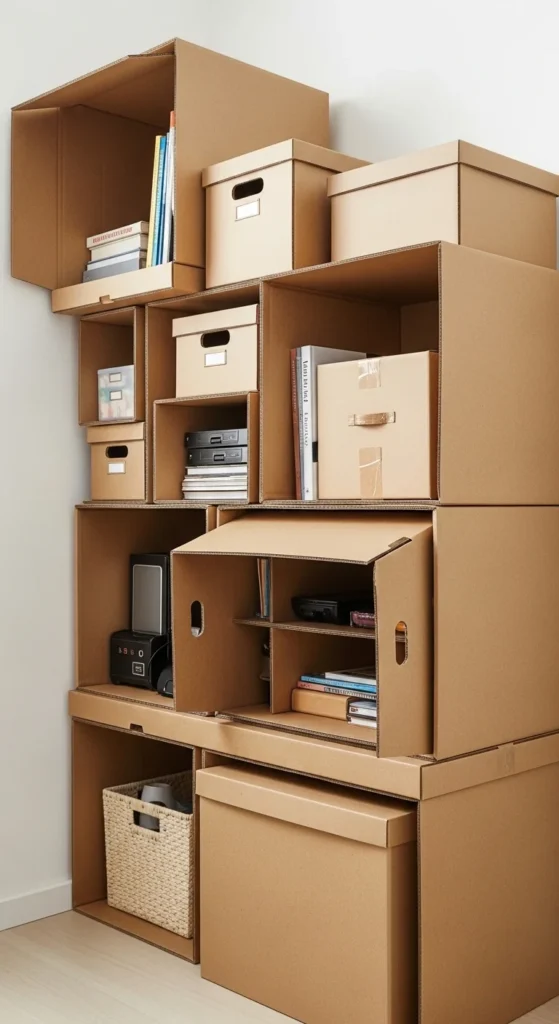
Build stackable units for flexible storage.
Conclusion
Cardboard storage crafts give simple ways to organize tight spaces without high costs. Each idea above helps turn unused boxes into practical storage for daily items. From kitchen shelves to bedroom corners, these small changes create order and reduce clutter. With basic tools and a bit of time, it becomes easy to shape storage that fits your home layout and personal habits.

Leave a Reply