

Minimalist kitchens have a reputation for looking too clean. Too white. Too empty. But here’s the truth: a minimalist kitchen doesn’t have to feel cold or generic. When done right, it can feel calm, intentional, and full of personality—without visual clutter.
The key is learning how to edit without erasing character. Let’s break it down step by step.
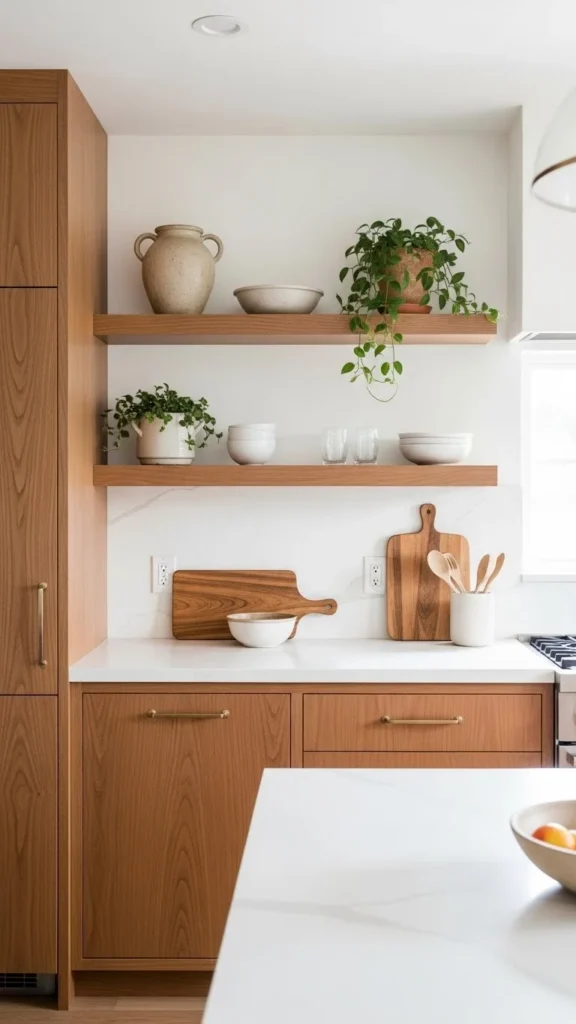
Start With a Calm, Neutral Foundation
Every minimalist kitchen begins with a quiet base. This doesn’t mean everything has to be white, but your main surfaces should feel cohesive and easy on the eyes.
Focus on:
- Soft whites, warm beiges, greige, or muted stone tones
- Simple cabinet fronts (flat-panel or subtle shaker styles)
- Consistent finishes across cabinets, counters, and walls
A neutral foundation acts like a blank canvas. It lets your personality show through in small, intentional ways rather than competing elements.
Tip: If your kitchen already has bold cabinets, balance them with simpler counters and backsplash choices.
Choose Fewer Materials—but Make Them Count
Minimalism isn’t about having nothing. It’s about having fewer things that feel higher quality and more meaningful.
Limit your kitchen to:
- 2–3 main materials (for example: wood, stone, metal)
- 1 primary metal finish for hardware and fixtures
Instead of mixing everything, repeat materials to create flow. This makes the kitchen feel considered rather than busy.
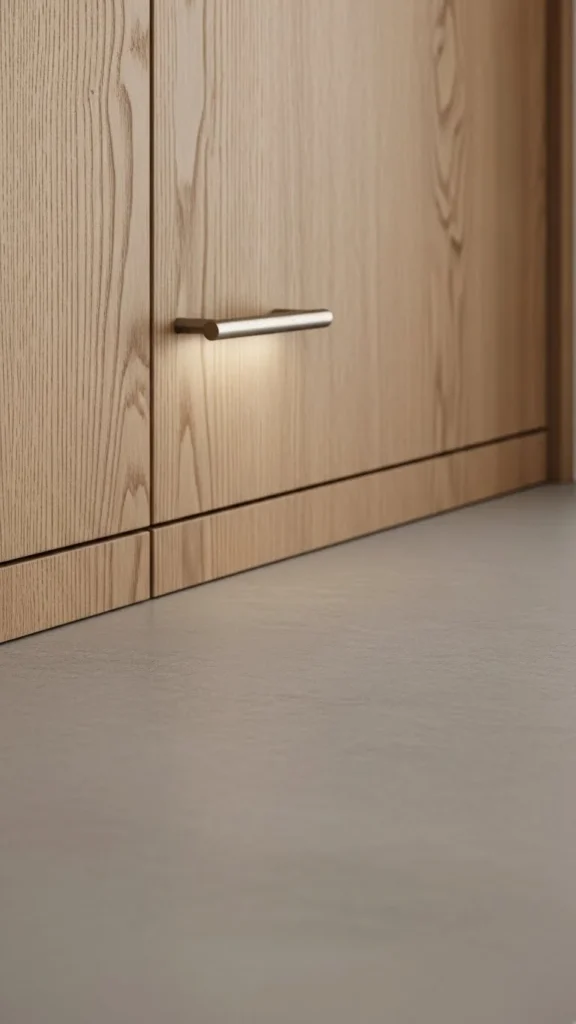
Personality boost: Choose materials with natural texture—wood grain, honed stone, or handmade tile—to keep the space from feeling flat.
Let Texture Replace Decoration
In a minimalist kitchen, texture does the decorating.
Instead of adding lots of accessories, layer texture through:
- Ribbed or fluted cabinet panels
- Subtle backsplash tile with variation
- Matte finishes instead of glossy ones
- Linen or cotton textiles
These details add depth without visual clutter. They also age better than trend-driven decor.
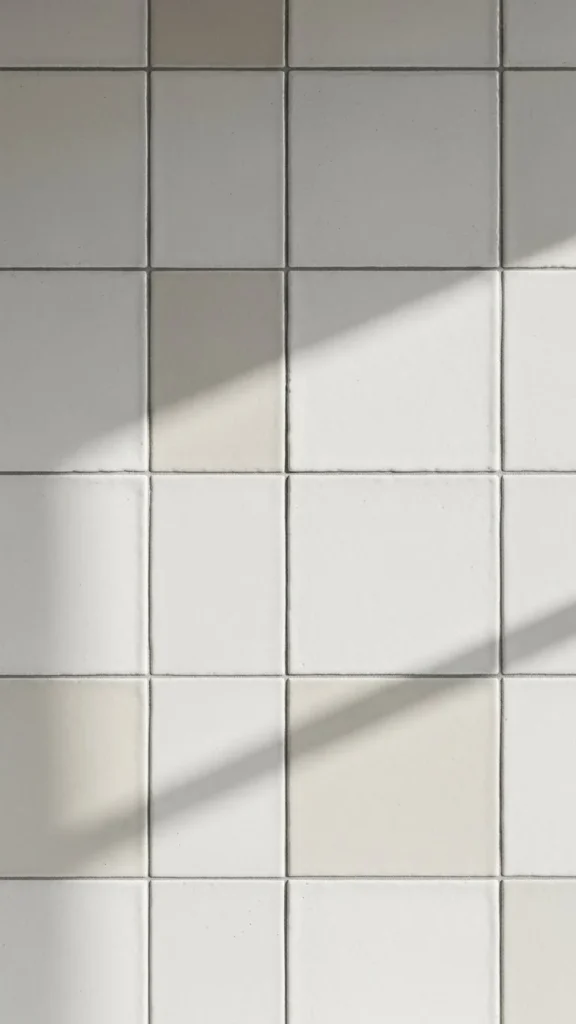
Think quiet richness, not loud statements.
Display Only What You Use (and Love)
Open shelving is a minimalist favorite—but only when styled with intention.
Use shelves to display:
- Everyday dishes you actually reach for
- A small collection of ceramics or bowls
- One or two plants for softness
Avoid overcrowding. Negative space is part of the design.
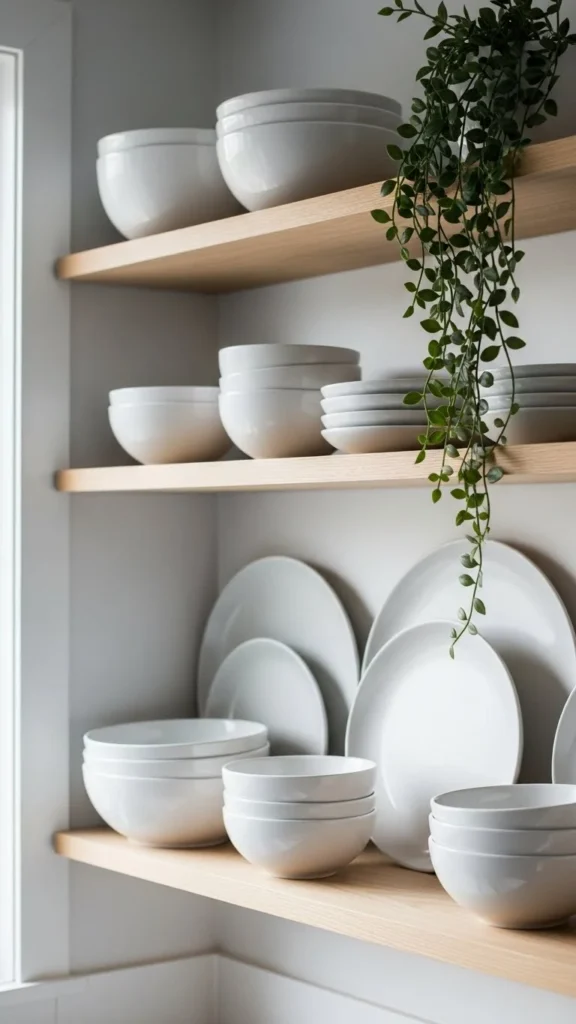
Rule of thumb: If it doesn’t earn its place through beauty or function, it doesn’t belong on display.
Add Personality Through Subtle Contrast
Minimalist kitchens shine when they include gentle contrast.
Try:
- Warm wood cabinets with cool stone counters
- Light kitchens with darker islands
- Matte finishes paired with one slightly reflective surface
Contrast adds visual interest without breaking the minimalist feel.
You can also bring personality through:
- Unique cabinet hardware
- A statement faucet with a simple shape
- One standout light fixture
These details act like jewelry for the kitchen—small but impactful.
Keep Counters Clear (But Not Empty)
Clear countertops are essential for a minimalist look, but they shouldn’t feel sterile.
Style counters with:
- A wooden cutting board leaned against the backsplash
- A simple bowl with seasonal fruit
- A ceramic utensil holder with just a few tools
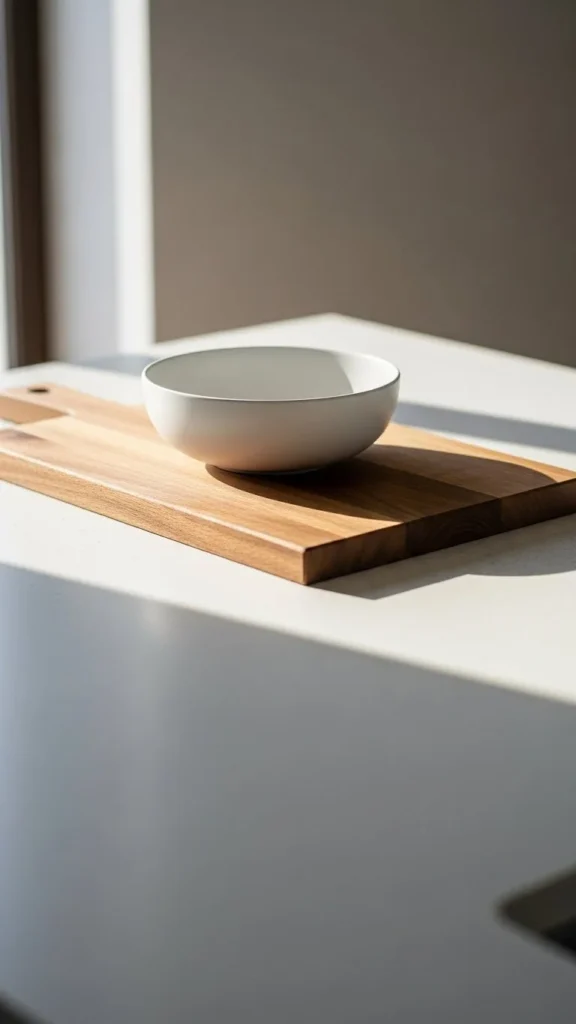
Edit often. If something stops being useful or beautiful, remove it.
Use Lighting to Create Warmth
Lighting is where many minimalist kitchens fall flat.
Layer your lighting:
- Ambient ceiling lighting for overall brightness
- Task lighting under cabinets
- One warm-toned statement pendant
Choose bulbs with a soft, warm glow to avoid a clinical feel.
Lighting adds emotion. It’s what makes a minimalist kitchen feel lived-in instead of showroom-ready.
Make It Personal—Quietly
Personality doesn’t have to shout.
Add meaning with:
- Handmade ceramics
- A vintage stool or chair
- A family recipe framed inside a cabinet door
- Materials that reflect your lifestyle
Minimalism works best when it reflects you, not a catalog.
Final Takeaway
Designing a minimalist kitchen without losing personality is all about intentional choices. Start with a calm base. Layer texture instead of clutter. Choose fewer things—but better ones.
When every element has a purpose, your kitchen becomes more than minimal. It becomes meaningful.
Save this guide for later—and come back whenever your kitchen starts to feel overwhelming.

Leave a Reply