

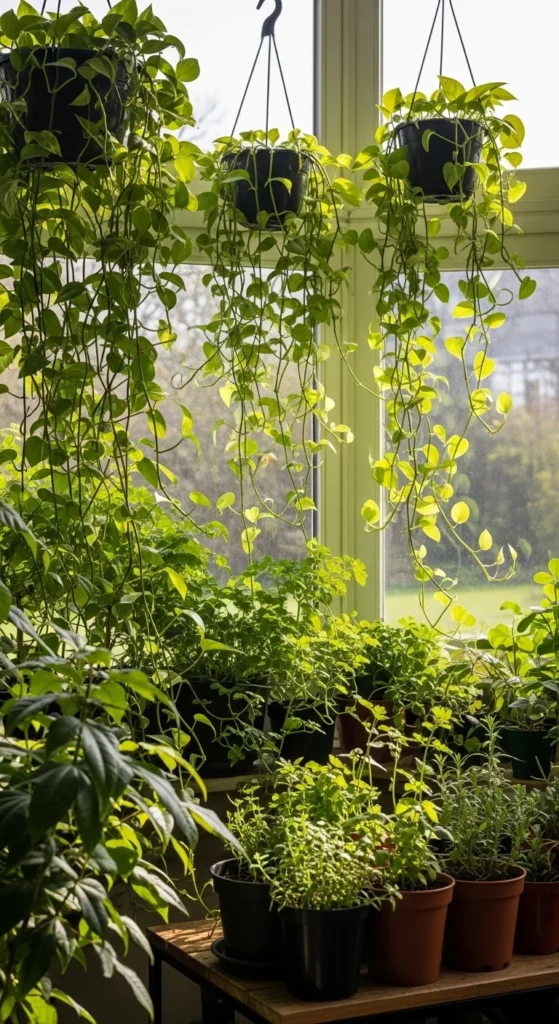
Spring is the perfect time to bring life into your home with greenery. Lush plants, vibrant leaves, and natural accents can instantly brighten any space. Whether you live in a small apartment or a spacious house, there are ways to add fresh, alive greenery without spending a fortune. From simple potted plants to creative DIY arrangements, these ideas help you embrace spring’s natural energy. Each tip is practical, easy to implement, and designed to make your home feel welcoming and vibrant.
1. Window Herb Garden
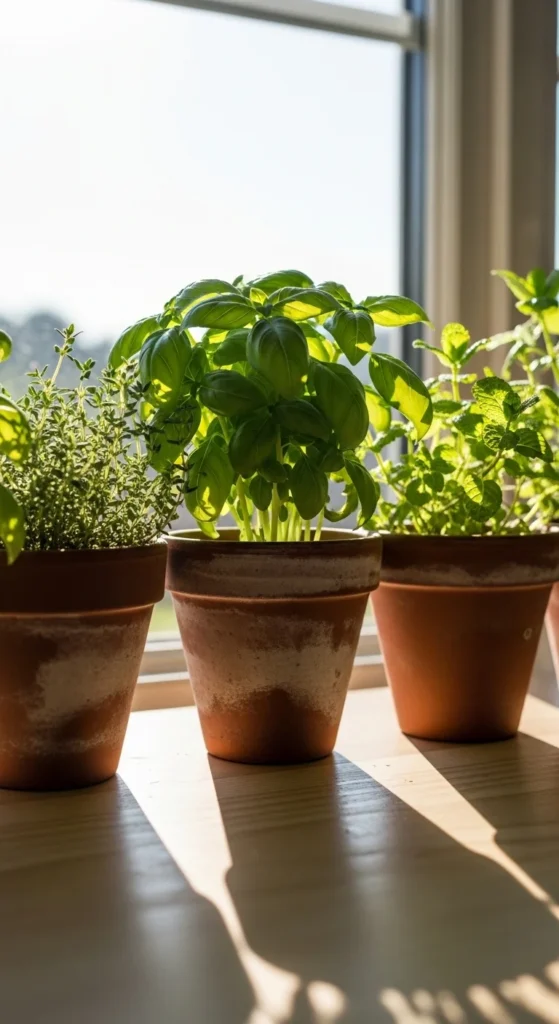
A window herb garden is simple and functional. Choose small pots or recycled containers for a low-cost setup. Herbs like basil, mint, and rosemary thrive in sunny spots. They add greenery and are useful for cooking. Keep soil moist and rotate pots occasionally for even growth. A small watering can or spray bottle keeps things tidy. Herbs can also be grouped in a tray for a neat, natural display. DIY labels with chalkboard tags make it charming.
2. Hanging Macrame Planters
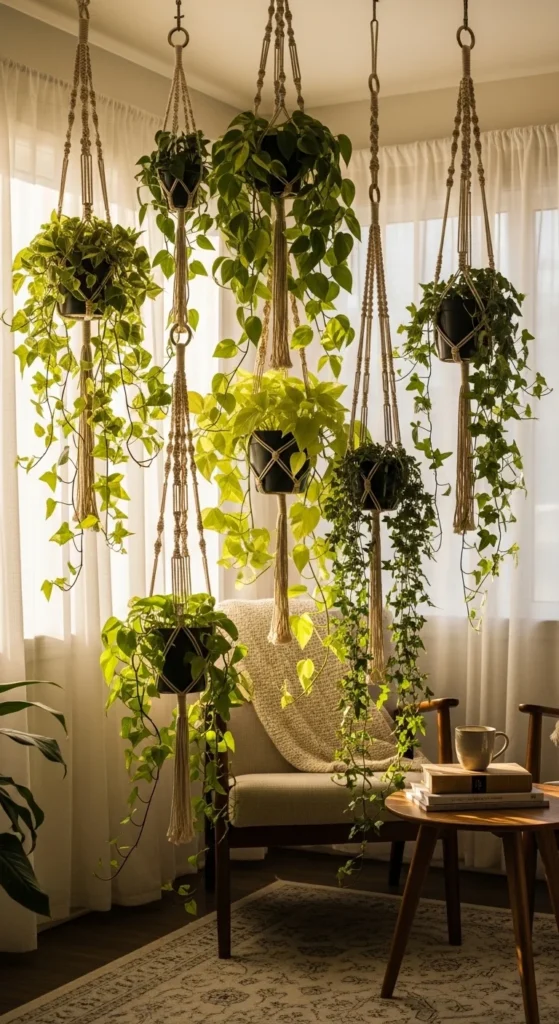
Hanging macrame planters save floor space and add vertical interest. Use inexpensive ferns, ivy, or pothos. Hanging at different heights creates a layered look. You can buy ready-made macrame or try a DIY knotting project. Keep plants light and airy to avoid overcrowding. Even a single hanging plant adds a lush vibe. Rotate plants occasionally to catch sunlight evenly. These planters work indoors or in a patio space.
3. Terrarium Display
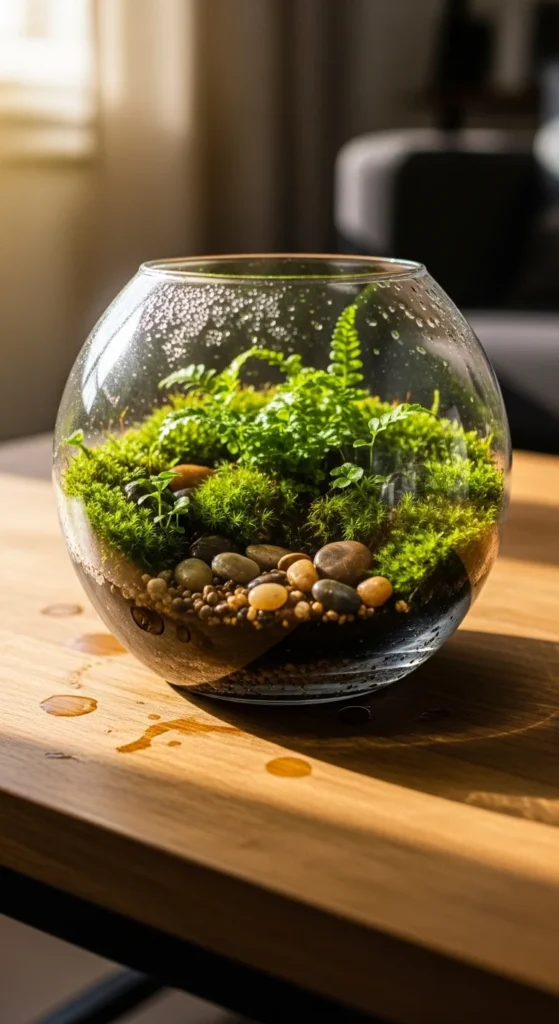
Terrariums are a miniature garden you can keep anywhere. Glass containers showcase moss, small plants, or air plants. They are low-maintenance and add a modern, lively touch. Layer sand, pebbles, and soil for a natural effect. Choose plants that thrive in enclosed spaces. Terrariums can sit on tables, shelves, or desks. They’re also a great DIY project—recycled jars or glass bowls work perfectly. Regular misting keeps moss vibrant and green.
4. Tabletop Succulent Arrangement
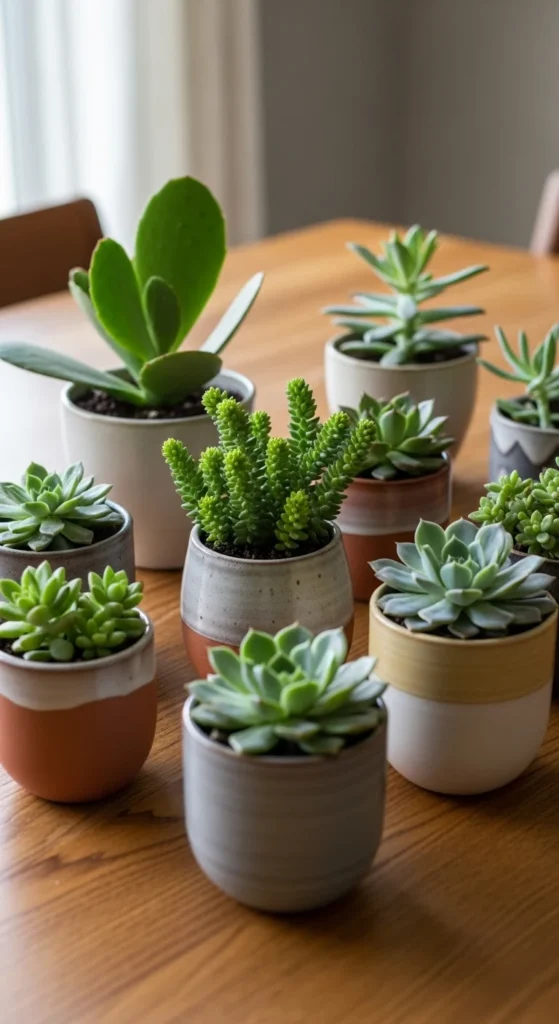
Succulents are affordable and low-maintenance. Combine multiple varieties in a shallow dish or individual pots. They require minimal water and are perfect for tables, desks, or shelves. Use gravel or sand for decorative top layers. Grouping different shapes and textures adds interest. DIY tips include using recycled bowls or teacups for planters. Succulent clusters bring a lively touch without overwhelming your space. Rotate pots to keep sunlight exposure even.
5. Indoor Ivy Garland
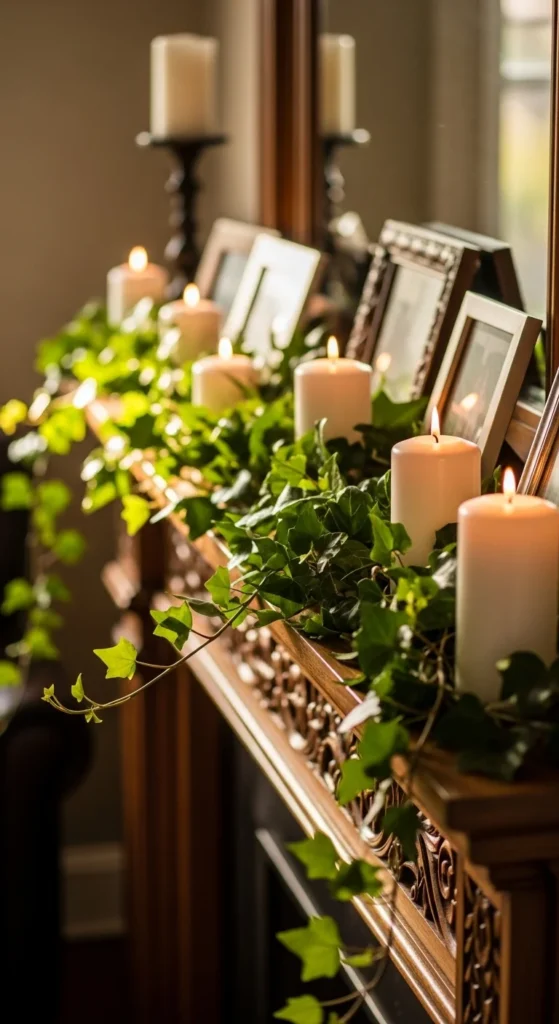
Ivy garlands create a lush, natural flow indoors. Drape over mantels, shelves, or door frames. Artificial or real ivy works, depending on your commitment to maintenance. Real ivy grows over time and adds authenticity. Secure ends with small hooks or tape for temporary setups. Pair with candles, vases, or small decorations for a spring-inspired look. This is a cost-effective way to bring greenery into spaces that are typically bare.
6. Potted Palm Corner
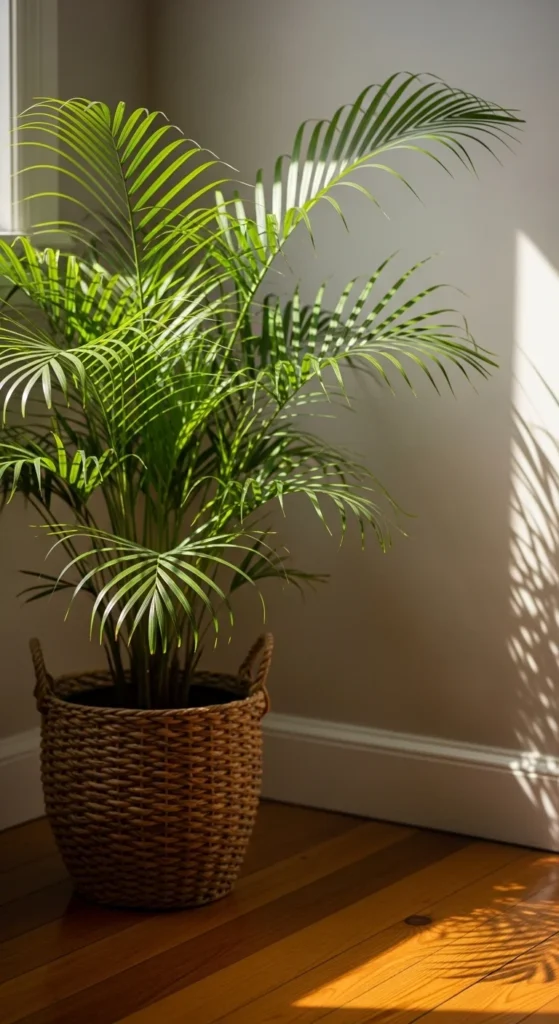
A potted palm can transform an empty corner. They add height and texture without taking up much room. Affordable options like parlor palms or areca palms thrive indoors. Pair with a basket or decorative pot for style. Keep soil slightly moist and rotate for even growth. Palms create a tropical, alive atmosphere and work well with other greenery clusters. Minimal care yields a big visual impact.
7. DIY Moss Wall Art
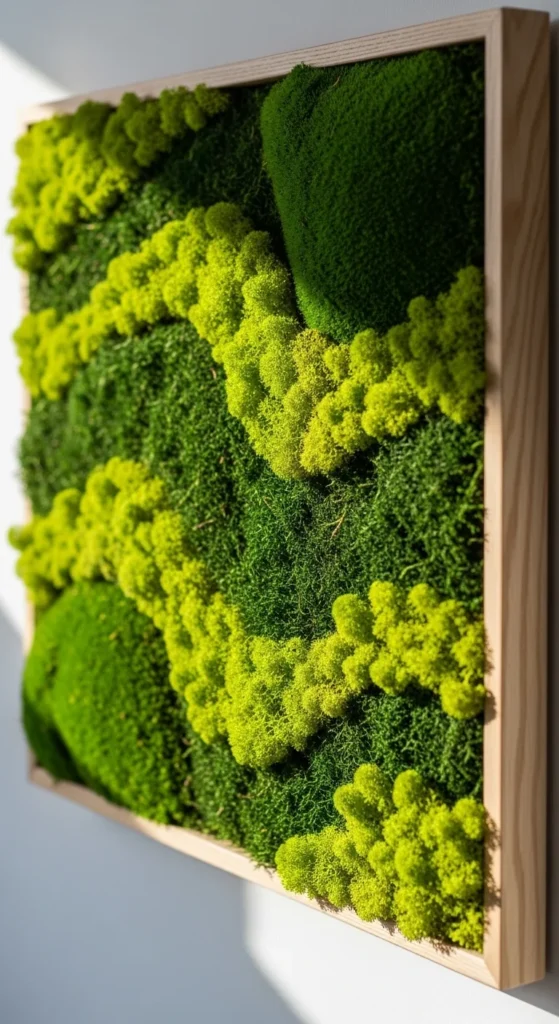
Moss wall art adds texture and nature indoors. Use preserved moss to create patterns on a wooden frame. No watering required if using preserved moss. You can make shapes, letters, or abstract designs. It’s budget-friendly—frames and moss sheets are inexpensive. Hang in living rooms, bedrooms, or entryways. DIY is simple: glue moss onto a backing board and let it fill naturally. The result is a vibrant, alive focal point.
8. Fresh Cut Flower Accents
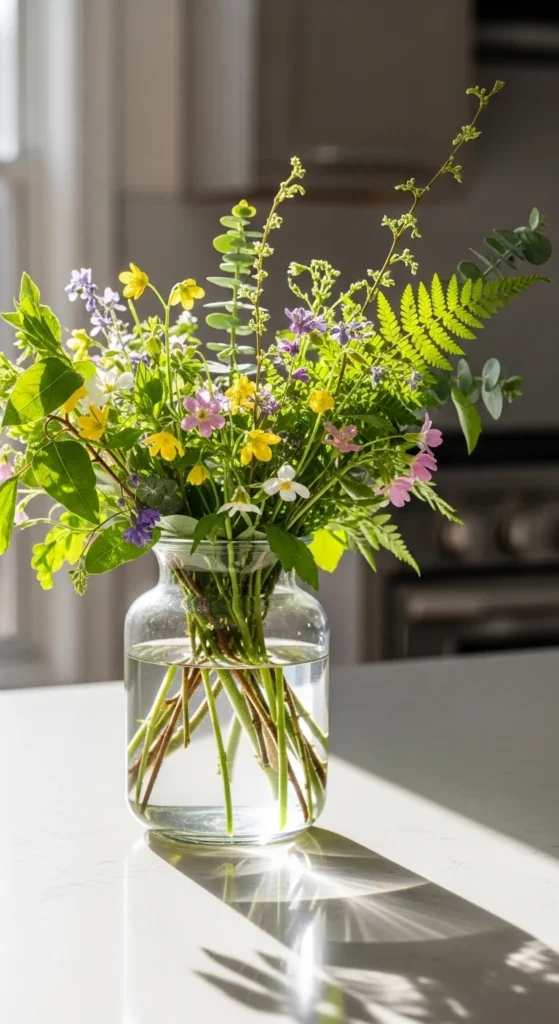
Adding fresh cut stems brings life instantly. Pick greenery from your garden or local park. Even small clippings in a simple vase look inviting. Combine leafy stems with tiny wildflowers for variety. Change water regularly to keep stems vibrant. Group several small vases around a room for a natural feel. This low-cost approach creates an easy, lively display that can be updated daily.
9. Hanging Air Plants
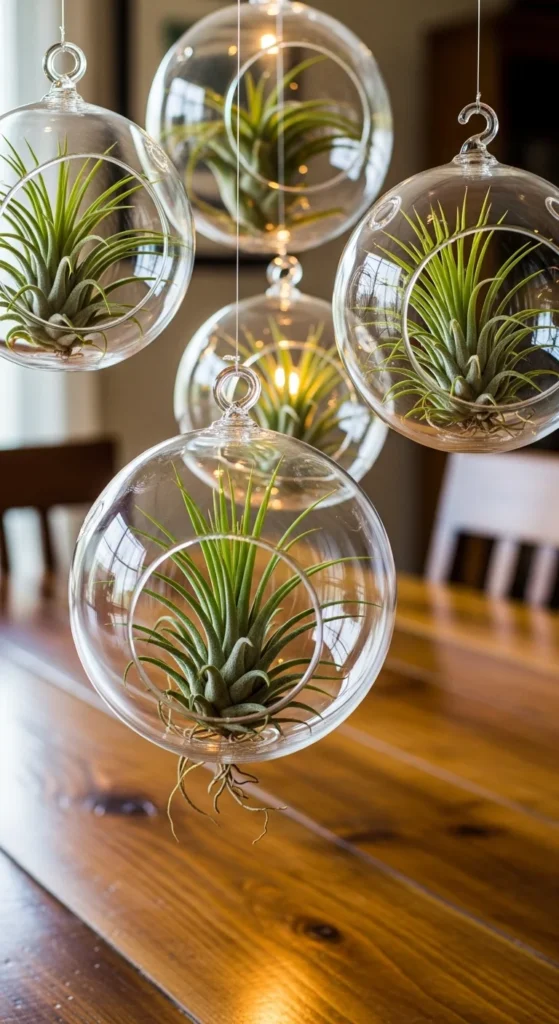
Air plants are easy to display and maintain. Hang them in glass globes, driftwood, or string designs. They don’t require soil, just a mist or soak weekly. Ideal for windows or shelves. Grouping different shapes adds visual interest. This is an inexpensive way to introduce living greenery in unexpected places. Perfect for small spaces or as a centerpiece above tables.
10. Woven Basket Plant Display
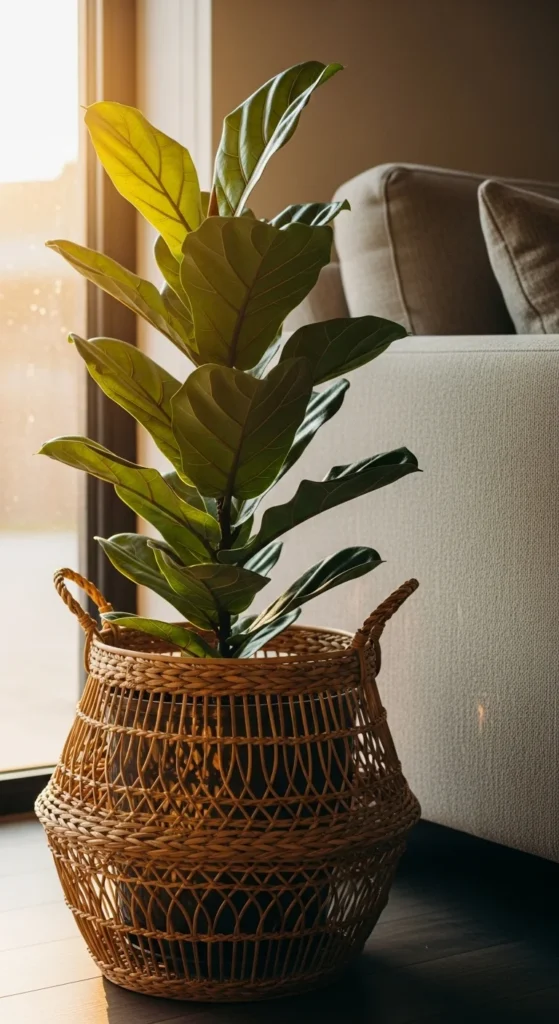
Using baskets as plant containers adds a natural, cozy touch. Place medium-sized plants like ferns, palms, or snake plants inside. Baskets provide texture and a casual vibe. Ensure a liner or saucer protects surfaces from water. Affordable and reusable, baskets can be found at thrift stores or DIY woven. They make greenery feel intentional and alive while complementing neutral décor.
11. Indoor Plant Ladder Shelf
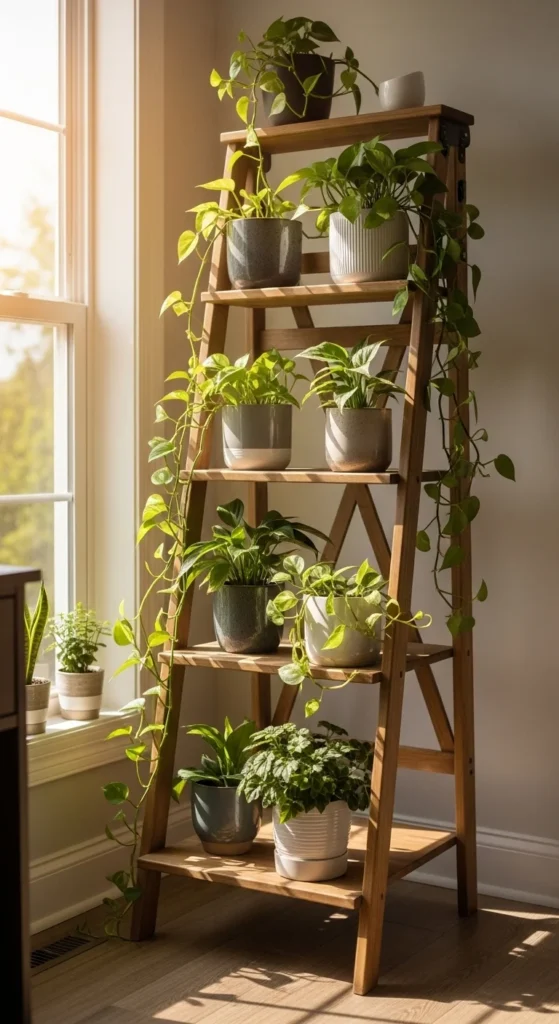
A ladder shelf maximizes vertical space. Use each step for small pots or trailing plants. It creates a dynamic, living display in corners or hallways. Rotate plants to catch sunlight evenly. Affordable shelves can be DIYed or purchased. Mixing plant types adds depth and texture. This arrangement turns multiple small plants into a cohesive visual centerpiece.
12. Terracotta Pot Cluster
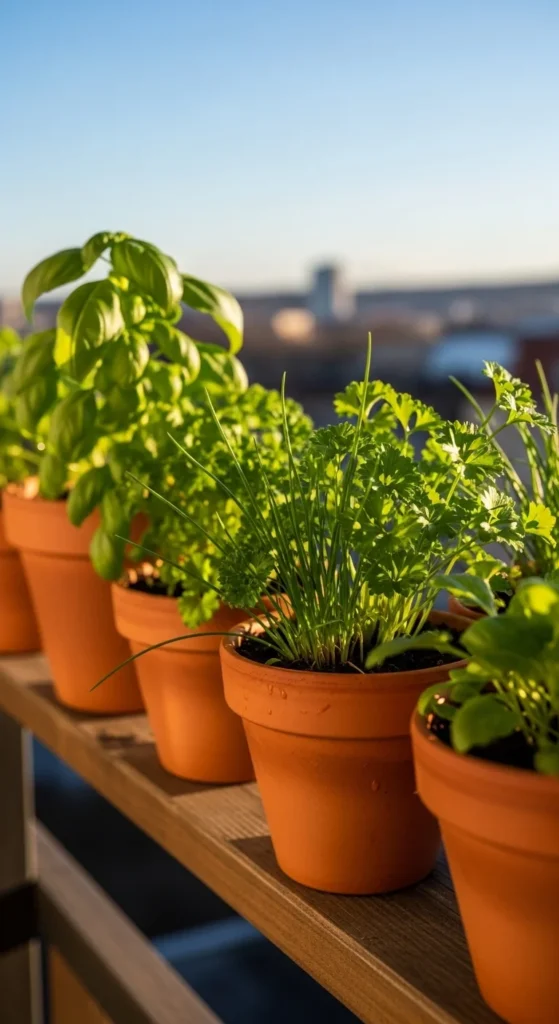
Grouping terracotta pots adds earthy warmth. Combine herbs, succulents, or leafy greens in clusters. Vary pot sizes for a natural effect. Affordable and widely available, terracotta retains moisture and looks rustic. Ideal for indoor or outdoor spaces. Small DIY tweaks, like painting or labeling pots, personalize the display. It’s a low-effort way to create a lively spring scene.
13. Corner Fern Cluster
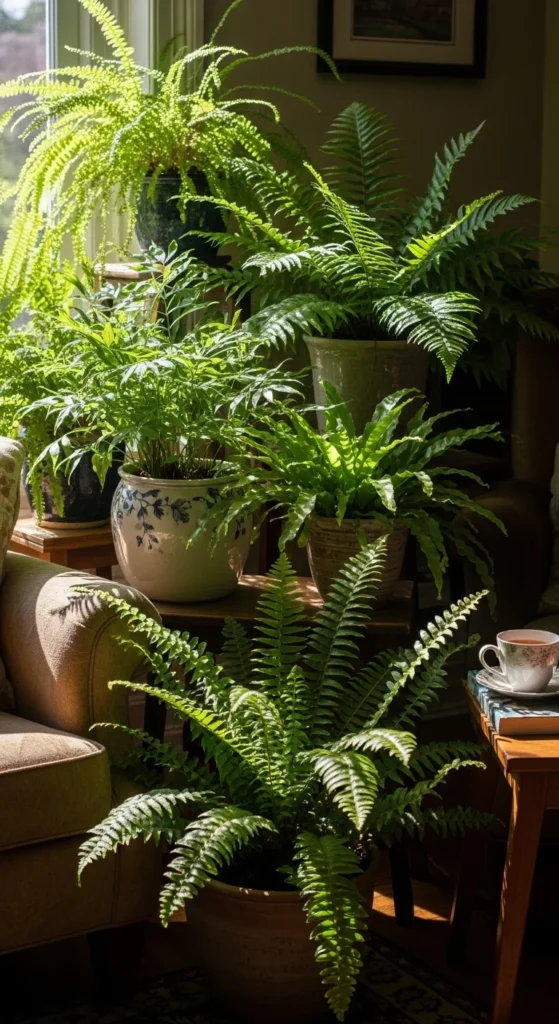
Ferns are perfect for filling empty corners with lush greenery. Group different fern types together to create texture and depth. Use simple ceramic or terracotta pots for a natural feel. They thrive in indirect sunlight and enjoy a slightly humid environment. Mist them regularly to keep leaves vibrant. Placing several ferns together gives the impression of a small indoor forest. Even in small spaces, this creates a focal point of life and color. Budget tip: propagate smaller ferns from larger ones or buy small starter plants and let them grow together. Pair with a woven rug or wooden stool to complete the cozy natural vibe.
14. Fresh Green Centerpieces
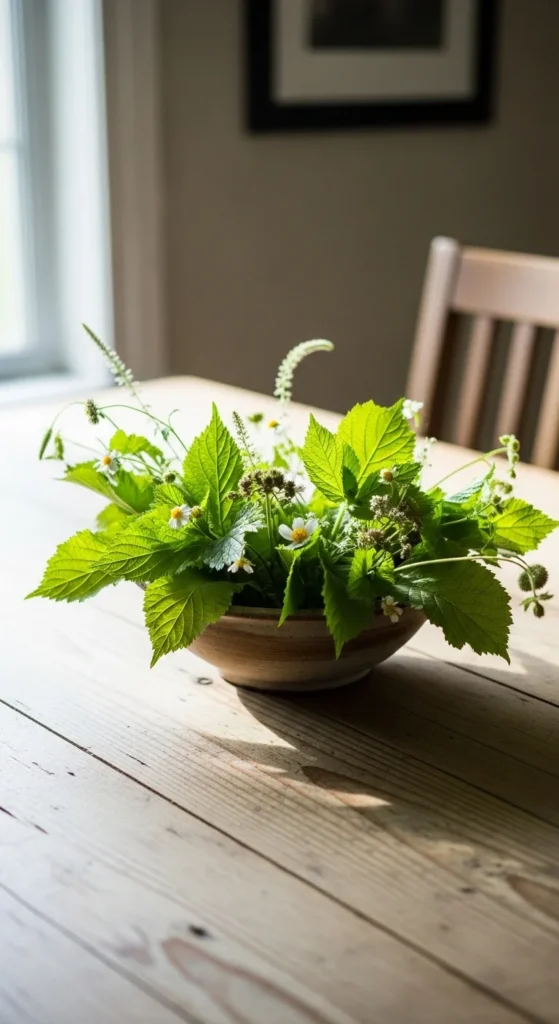
Creating a fresh greenery centerpiece is easy and affordable. Use leaves, herbs, or small branches in a simple vase or shallow bowl. Combine textures—smooth leaves with textured branches—to add interest. You can even gather clippings from your garden or nearby park. Changing greenery weekly keeps the centerpiece looking lively. Layer moss or pebbles underneath for added visual depth. These arrangements make any meal feel connected to spring’s natural energy. Small vases can be grouped together for longer tables. The key is simplicity: let the natural shape of leaves dictate the design.
15. Hanging Basket Garden
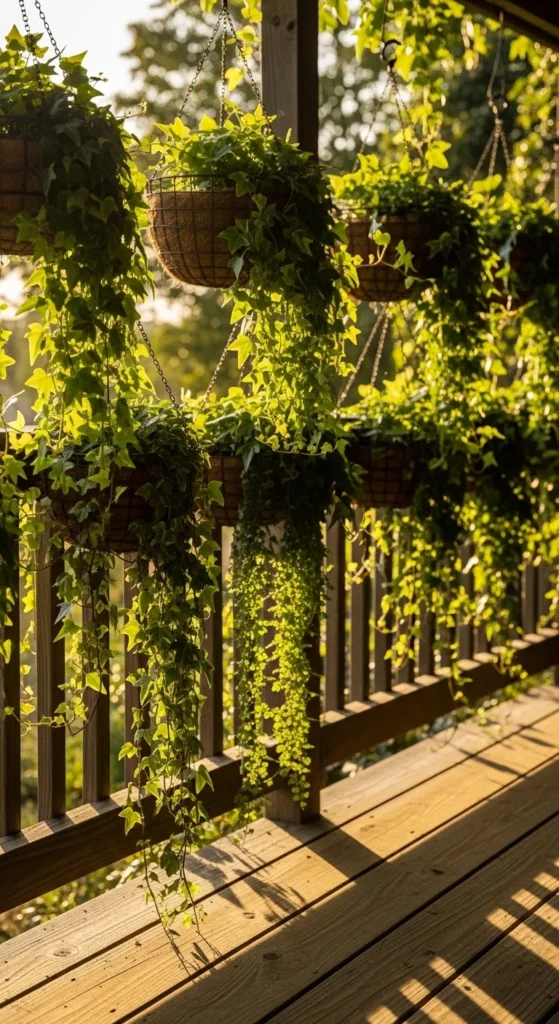
Hanging baskets bring greenery to eye level, creating a floating garden effect. Choose trailing plants like ivy, ferns, or pothos for a cascading look. Space baskets at different heights for visual interest. Wire or rattan baskets are inexpensive and look rustic. Use coconut liners or moss to hold soil and water. Regular misting keeps plants lush. This setup is perfect for patios, balconies, or sunrooms. It adds greenery without sacrificing floor space, making it ideal for small areas.
16. DIY Green Wall Panel
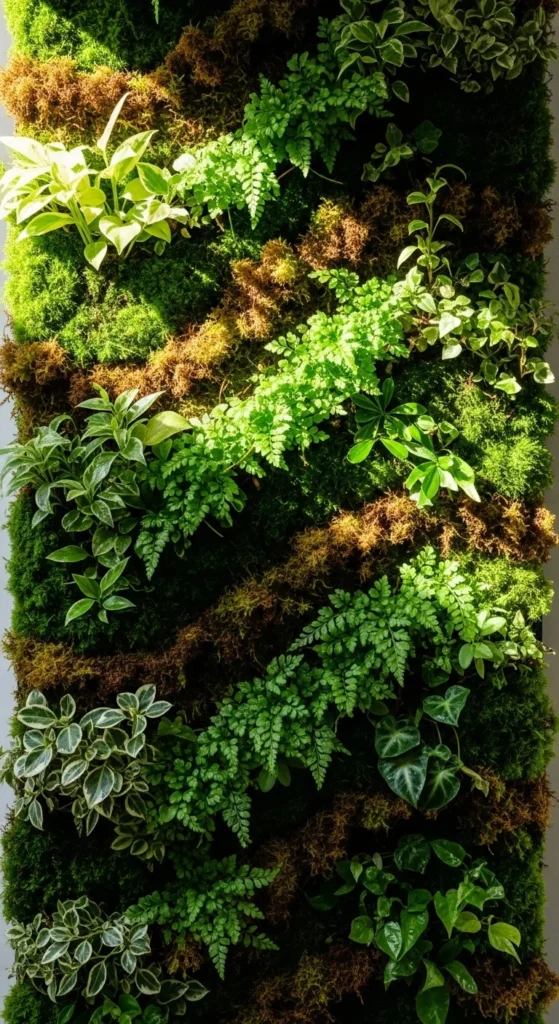
A DIY green wall panel turns any blank wall into a living canvas. Use moss, small ferns, or preserved greenery on a wooden frame. Glue or attach plants securely and layer for depth. This is a budget-friendly alternative to buying large living walls. Hang in your living room, hallway, or office. It’s low-maintenance, especially if using preserved moss. You can refresh it seasonally by swapping out sections of greenery. The panel adds height, texture, and a natural vibe, making any room feel alive.
17. Recycled Jar Herb Pots
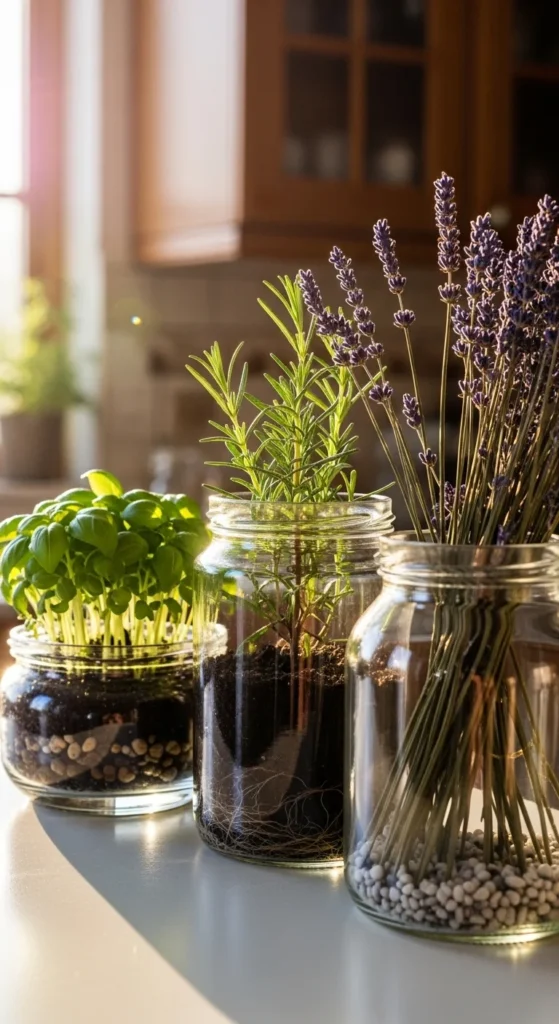
Use recycled jars for a budget-friendly indoor garden. Clean jars, add soil and pebbles, and plant herbs or small greenery. Jars make it easy to see root growth and moisture levels. Group several jars for a cohesive display. Label each jar with chalk or tape for charm. They’re perfect for kitchens or small windowsills. This approach is eco-friendly and inexpensive. DIY tip: hang jars from a wooden plank for a vertical herb display. Herbs like basil, parsley, or mint grow quickly, giving you greenery and practicality.
18. Mini Hanging Vines
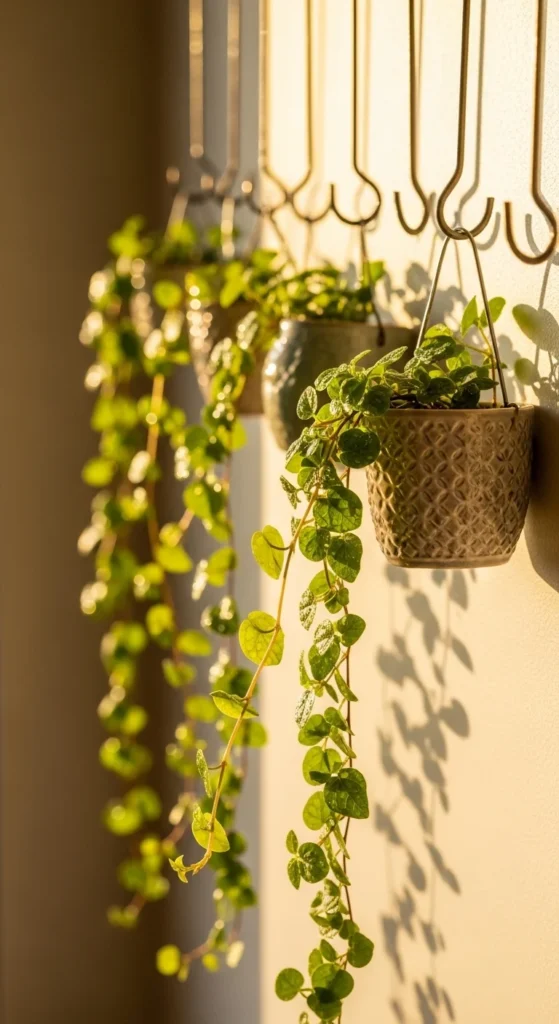
Mini hanging vines are great for tight spaces. Use lightweight pots or cups to hang ivy or string-of-hearts plants. They add natural movement as vines trail downward. You can cluster several small pots for a cascading effect. These setups are easy to DIY using hooks, twine, or wall mounts. Place near windows for optimal sunlight. Minimal watering keeps vines healthy. They’re low-cost, visually appealing, and perfect for creating a lively, vertical greenery display.
19. Plant Ladder with Mixed Pots
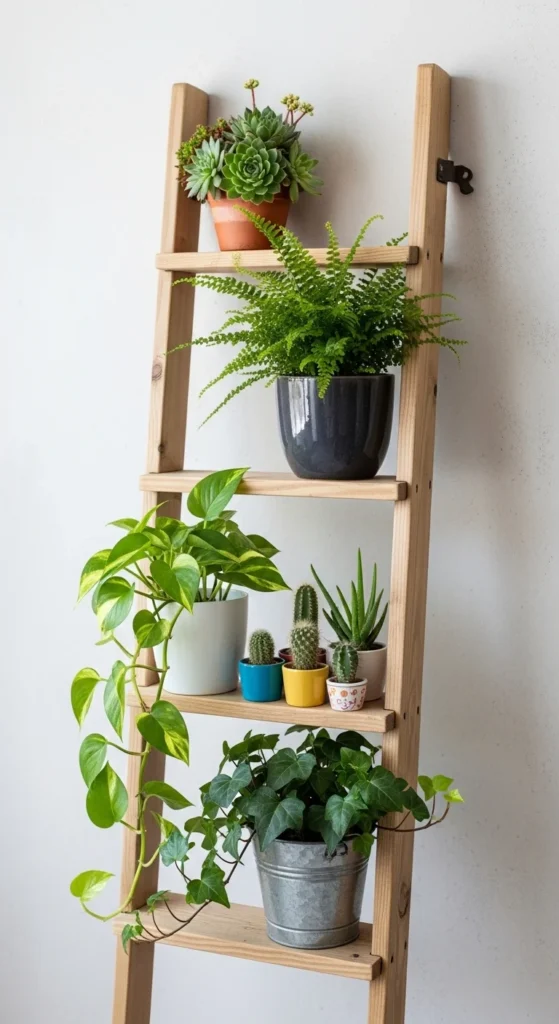
A ladder shelf is a stylish way to organize plants vertically. Mix different species for texture and interest. Place trailing plants on top and smaller pots below. Affordable wooden or metal ladders work well. Rotate pots to catch sunlight evenly. It creates a mini indoor jungle without taking floor space. Add decorative stones or moss on top of soil for a polished look. Even a few small plants on a ladder shelf bring energy and life to a room.
20. Mason Jar Hanging Garden
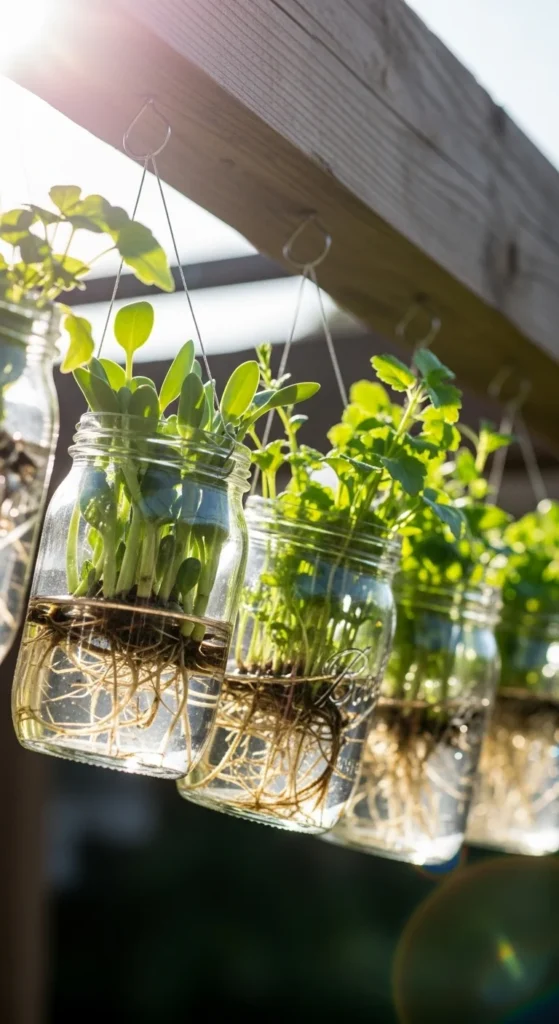
Mason jars are perfect for a suspended mini-garden. Hang jars using twine or wire and fill with soil, moss, or small plants. Herbs, air plants, or succulents thrive here. This is inexpensive and charming. Clustering jars at different heights adds a natural, dynamic feel. Easy to swap out plants as they grow. Minimal watering and care make it ideal for busy spaces. The result is a playful, alive greenery display that brightens kitchens, patios, or balconies.
21. Potted Plant Trio
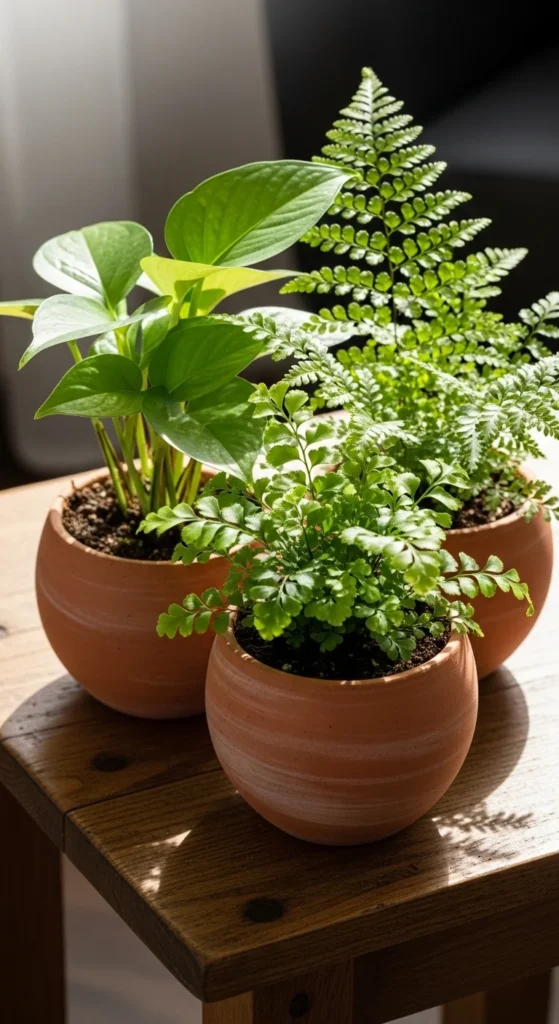
Group three small pots together for maximum visual impact. Use matching or complementary containers for cohesion. Place on side tables, shelves, or windowsills. Combining different leaf shapes creates texture and life. Affordable starter plants can be bought in small nurseries or propagated at home. Even minimal greenery grouped in threes adds vibrancy. Rotate occasionally for sunlight exposure and fresh growth. It’s a quick and practical way to make a corner feel alive.
22. Trailing Ivy Jar Display
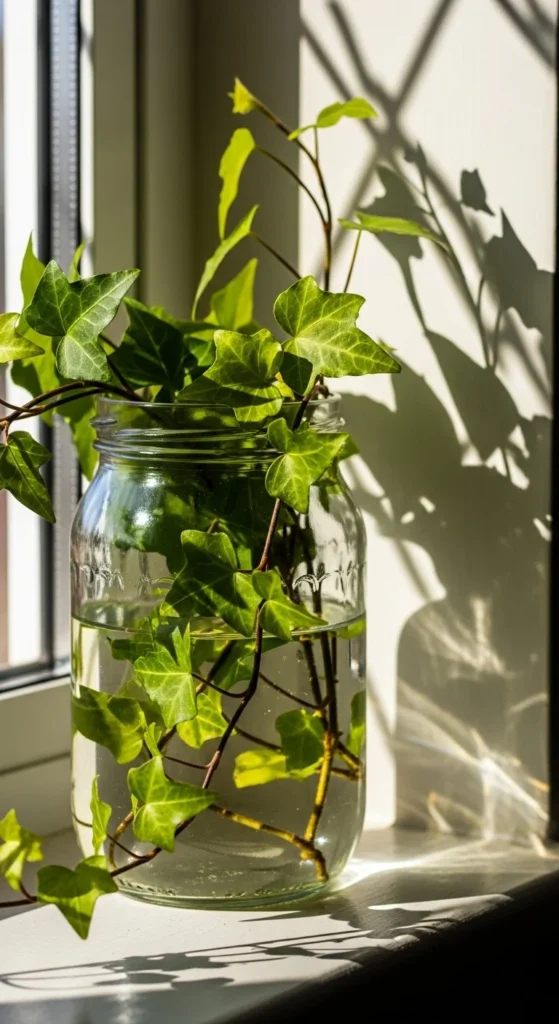
Use ivy in jars for a cascading effect. Fill a jar with soil, plant ivy, and place it on a shelf or windowsill. Let vines trail naturally over edges. Jars can be recycled or thrifted for low cost. Regular watering keeps leaves healthy. It’s a simple DIY idea that transforms empty shelves or counters into lively greenery spots. You can mix multiple jars to create a mini indoor garden.
23. Branch and Leaf Vase
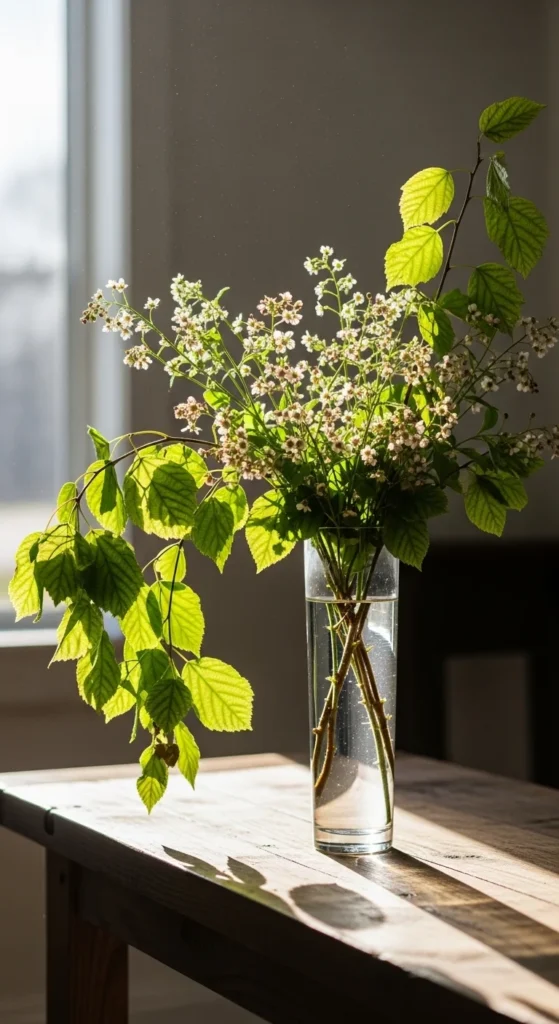
A branch and leaf arrangement is inexpensive and instantly decorative. Collect branches or leafy stems from outside, or buy in bulk. Use a tall vase to let them stand naturally. Add water to keep them fresh for days. Combine with small flowers if desired. It’s a simple, elegant way to add height and greenery indoors. Even a single vase can transform a table or console. Rotate stems weekly to maintain a lively look.
24. Potted Plant Staircase Display
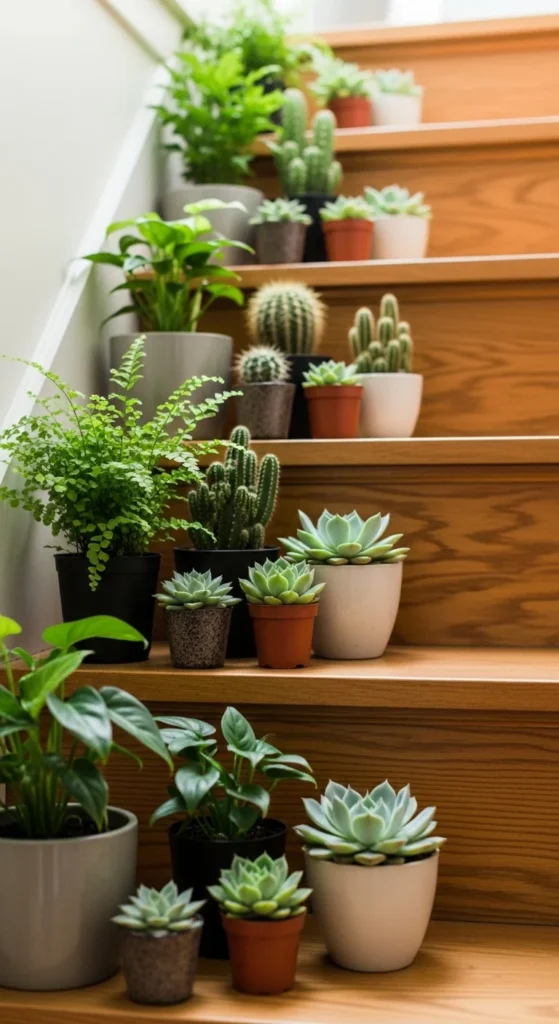
Line staircases with small potted plants for a vertical green display. Use inexpensive pots or recycled containers. Place taller plants at the bottom and smaller ones on top. It creates a natural gradient and draws attention upward. Great for homes with multiple levels or landings. Minimal watering and occasional rotation keep plants thriving. Even a few steps with greenery instantly make a space feel alive and connected to spring.
25. Floating Shelf Greenery
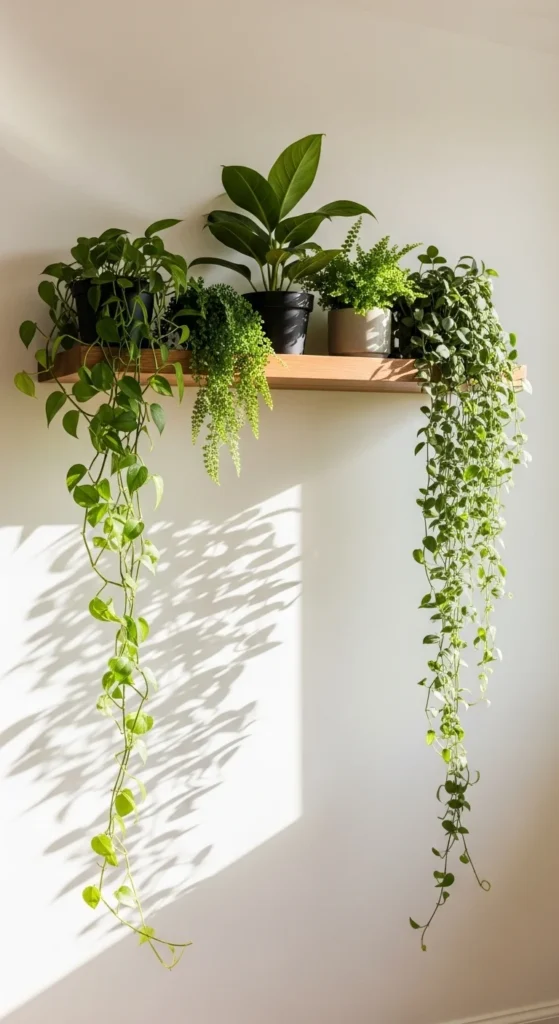
Install a floating shelf for plants to display greenery at eye level. Mix trailing plants with upright foliage for contrast. Lightweight pots keep shelves safe. Affordable shelves and small pots make this a simple DIY. Grouping plants creates a cohesive, alive display. Rotate occasionally for sunlight. This is a perfect way to bring greenery into areas that lack floor space.
26. Succulent Windowsill Row
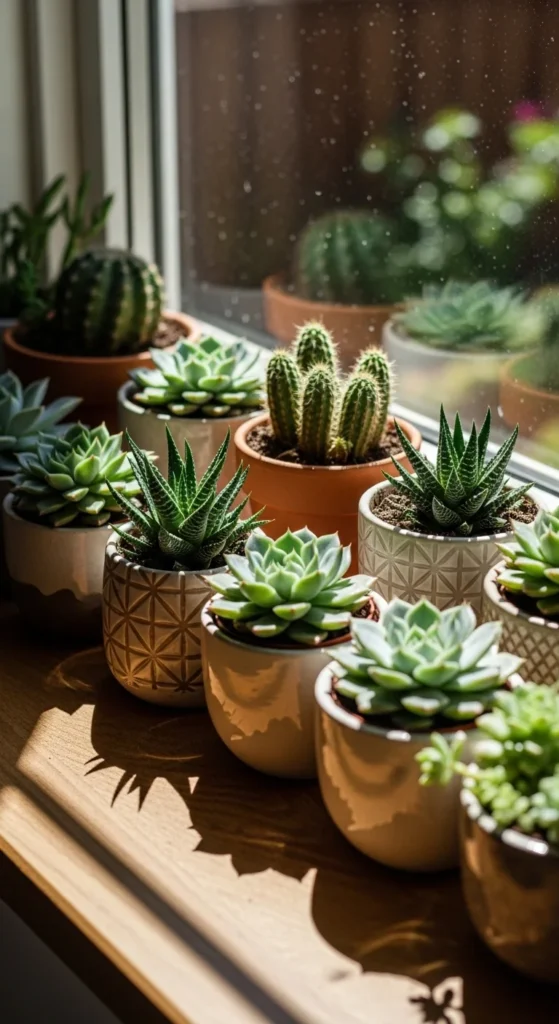
Succulents are perfect for sunny windowsills. Arrange a row of small pots for a tidy, lively look. Mix species for visual interest. They require minimal water and are low-maintenance. Use clay or ceramic pots for a natural effect. Even in apartments, a small row can transform a windowsill into a vibrant green focal point. Grouping multiple succulents together gives the impression of abundance.
27. DIY Hanging Moss Balls
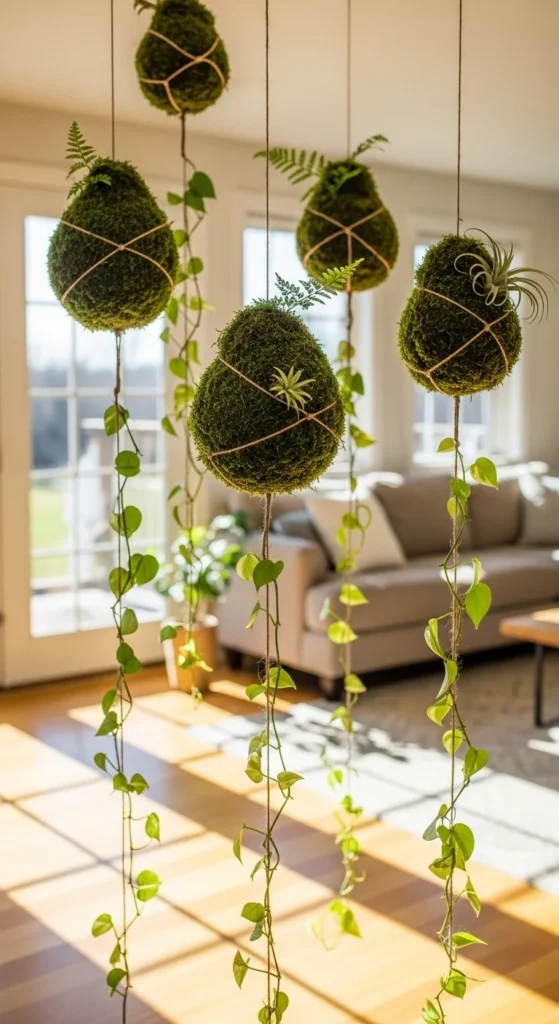
DIY moss balls bring greenery from floor to ceiling. Wrap moss around a small plant or foam base and suspend with twine. Add trailing vines for extra visual interest. Perfect for corners, windows, or patios. Low-cost materials include moss, string, and small foam spheres. Mist regularly to maintain color. Hanging moss balls create a natural, alive look that’s playful and creative, adding vertical greenery without taking up surface space.
Conclusion
Bringing natural spring greenery into your home is simple, affordable, and transformative. From hanging plants to DIY moss art, each idea encourages creativity and adds life to any space. By using pots, baskets, or even repurposed containers, you can design displays that feel vibrant and alive without breaking the bank. Pick a few ideas and start small—the effect of greenery is immediate, creating a home that feels fresh, welcoming, and naturally beautiful.

Leave a Reply