

3D printing can feel intimidating at first, but starting with simple projects makes it fun and manageable. For beginners, the key is to focus on easy designs that print quickly and use minimal materials. These projects give instant satisfaction while teaching essential skills like layer control, material handling, and finishing. From practical items to creative accessories, this list of 23 beginner-friendly 3D printing ideas will help you start crafting confidently. Each project is approachable, budget-conscious, and perfect for experimenting without overwhelming complexity.
1. Custom Keychains
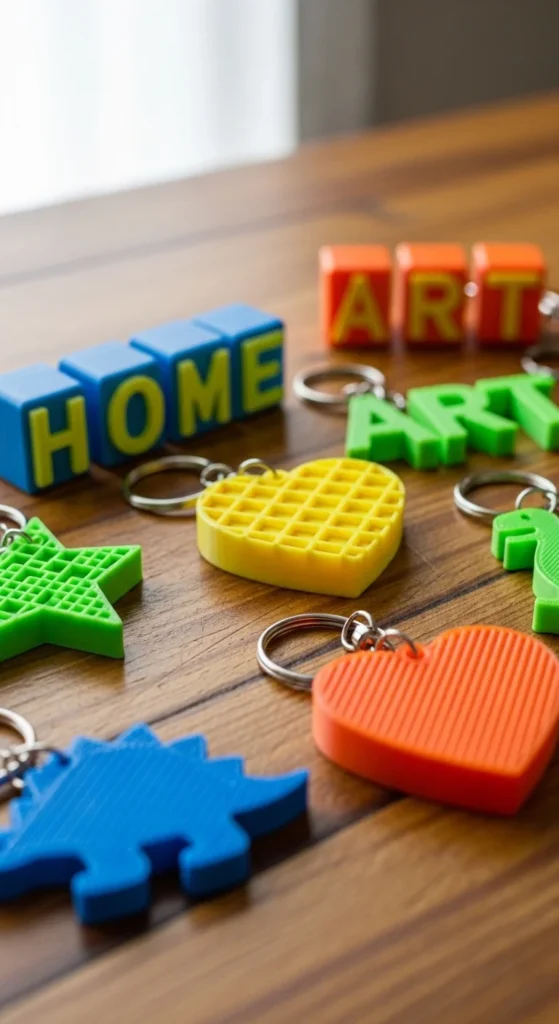
Custom keychains are an excellent starting point for 3D printing beginners. You can easily design simple shapes like initials, hearts, or geometric forms. They print quickly, require little filament, and offer a fun way to practice basic printer settings. Add personal touches by experimenting with colors or layering two pieces for a 3D effect. Keychains also make perfect small gifts for friends and family. Use a free design software like Tinkercad to sketch your shapes, then watch them come to life. For finishing touches, sanding lightly and adding a keyring completes the project. Budget tip: stick with PLA filament, which is cheap and beginner-friendly.
2. Phone Stand
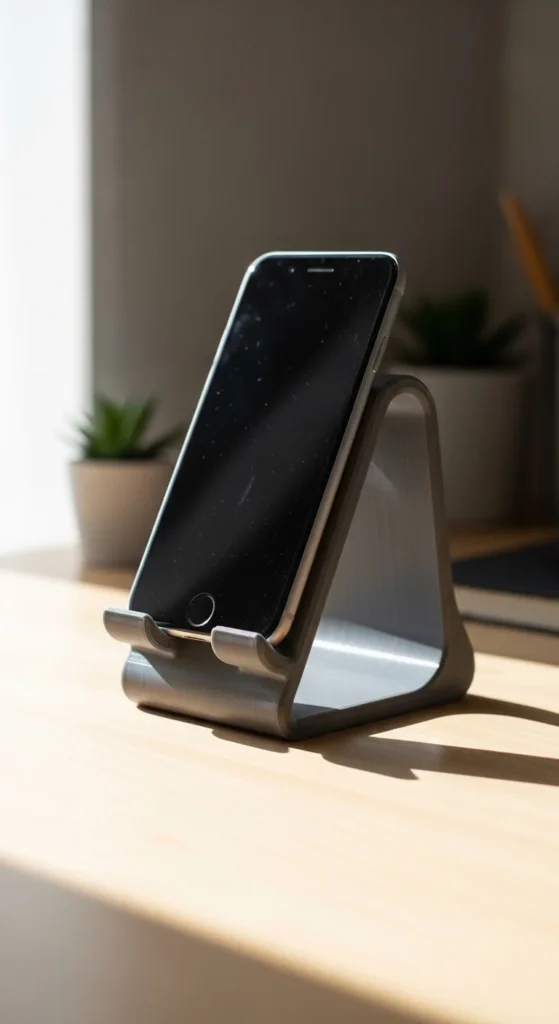
A phone stand is both functional and simple to print. You can create a design that props your device at a comfortable angle for video calls or watching shows. Most stands use minimal filament and require no complex supports, making them ideal for first-time prints. Experiment with different angles or sizes for tablets or larger phones. Adding small grooves or decorative patterns can make your stand unique. Beginners benefit from this project because it encourages precise measurement and layer alignment while producing a useful everyday item. PLA works best, and painting or finishing can make your stand even more personal.
3. Cable Organizers
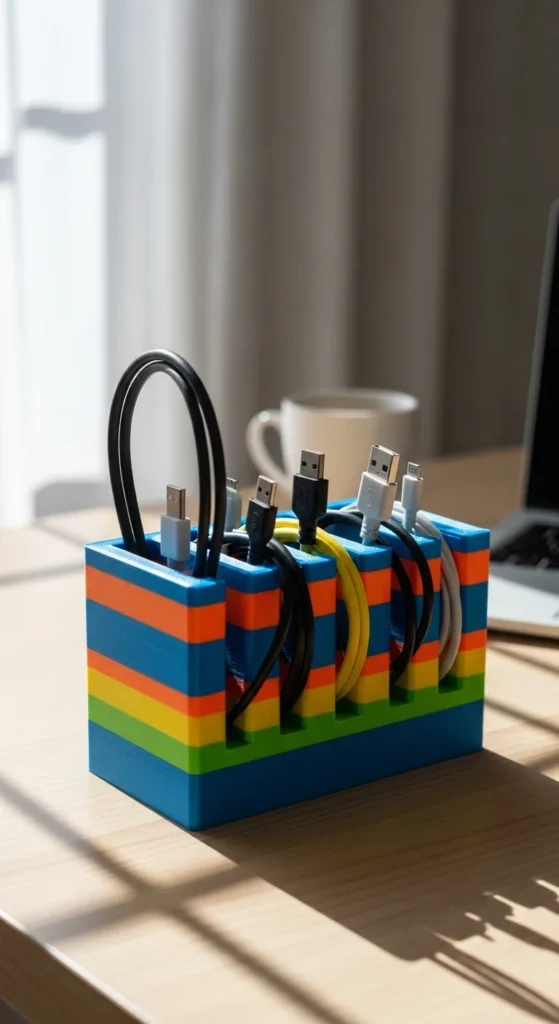
Tangled cables are a common annoyance, and 3D printing offers an easy solution. Simple clips or holders can be printed in small batches, allowing you to test different shapes. These organizers are fast to print and only use small amounts of filament. Beginners can try printing flat or slightly curved designs that clip over the edge of a desk. You can also combine multiple clips for larger setups. The project teaches practical design adjustments and improves your understanding of filament tension and adhesion. Bonus: colored filament helps you organize cables by type or device.
4. Coasters
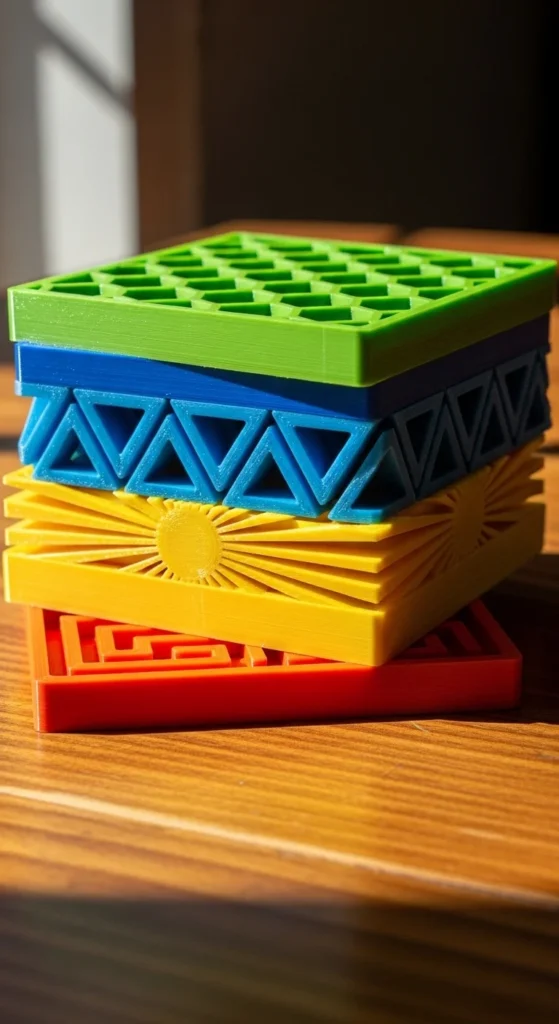
3D printed coasters are simple and useful for the home. Start with flat, round or square shapes and add basic patterns for visual interest. They print quickly and require minimal material. Beginners can experiment with different thicknesses to see how durable the prints are. Coasters can be customized with initials, textures, or fun patterns. Using PLA or PETG filament keeps printing easy while learning about infill density. This project offers a satisfying combination of function and style, making your first 3D printed items feel more rewarding. Budget tip: print in batches to reduce wasted material.
5. Plant Pots
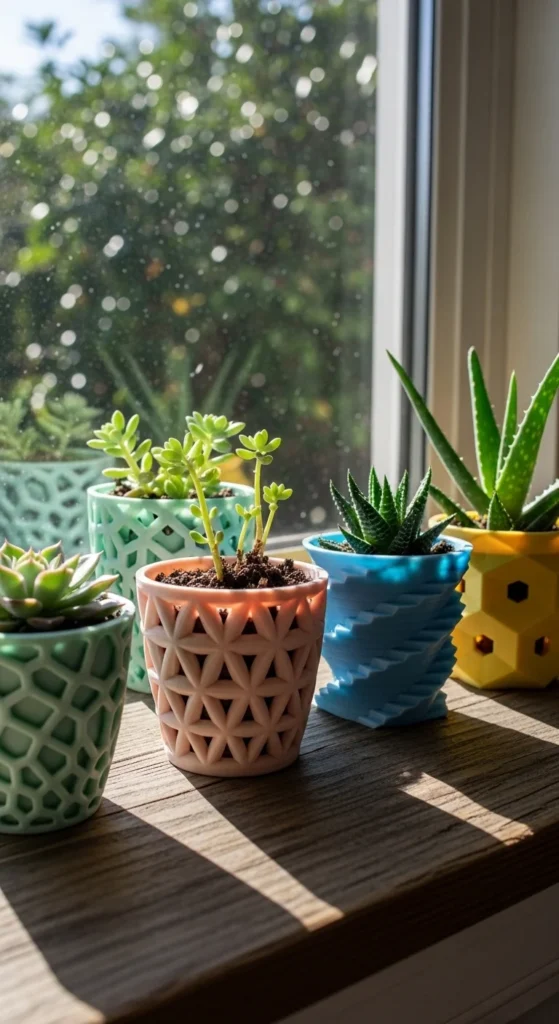
Beginner-friendly plant pots are a creative way to experiment with shapes and sizes. Print small pots for succulents or herbs to avoid using too much filament. You can add drainage holes and simple patterns for style. These prints encourage testing your printer’s layer settings and stability. Beginners can start with square or cylindrical pots and move on to fun geometric shapes. PLA works well, though PETG is better if water exposure is expected. Decorating the pot afterward with paint or markers adds a personal touch. This project combines aesthetics with utility, giving immediate satisfaction from seeing plants thrive in your creations.
6. Pen Holders
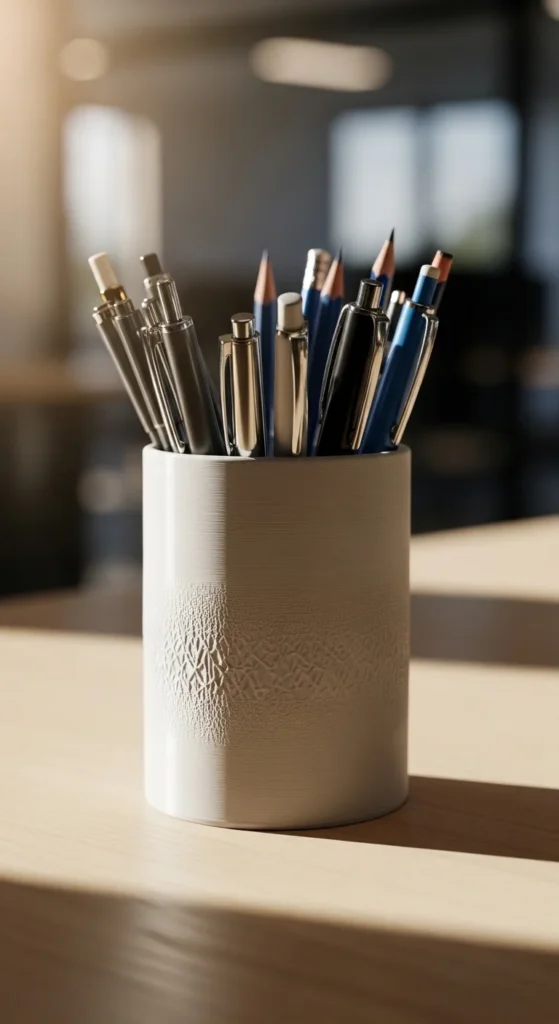
A 3D printed pen holder is practical and beginner-friendly. Simple cylindrical or square shapes print easily with minimal supports. You can customize by adding sections or patterns. This project helps you practice precise measurements while producing something useful. Printing multiple holders allows you to experiment with different filament colors and finishes. Sanding or light painting enhances the final look. Pen holders also make excellent gifts for coworkers or friends. Budget tip: small designs reduce filament use and print time, perfect for learning the basics.
7. Bookmark Clips
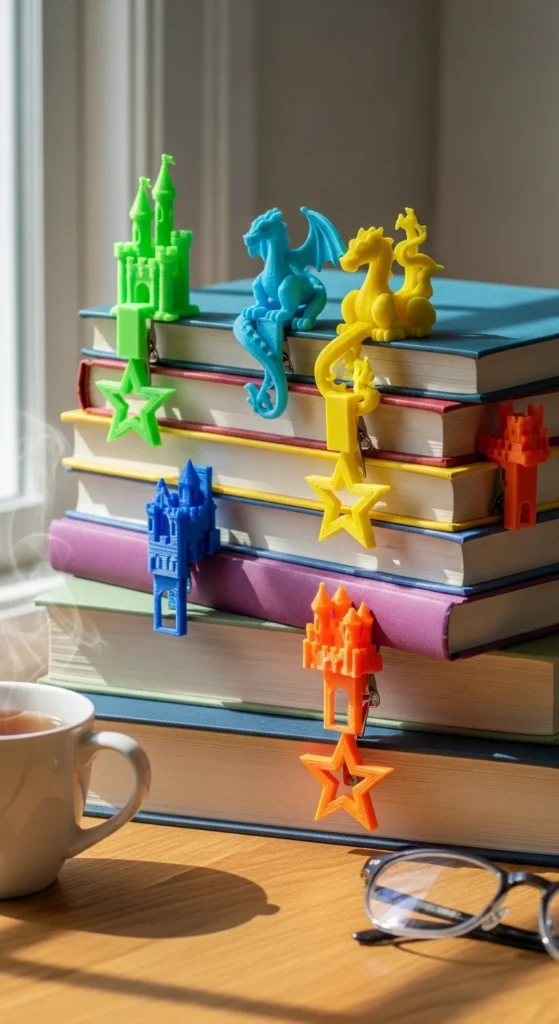
3D printed bookmark clips are fun, simple, and customizable. They usually require minimal filament and print quickly. You can create basic shapes like arrows or letters or try small designs like animals. Bookmarks teach beginners fine layer control, especially when printing delicate parts. They also allow experimentation with flexible filament types for durability. Customizing with initials or fun shapes makes reading more personal. Budget tip: print in batches to use leftover filament efficiently. These clips are practical, satisfying, and a quick win for first-time 3D printing projects.
8. Mini Figurines
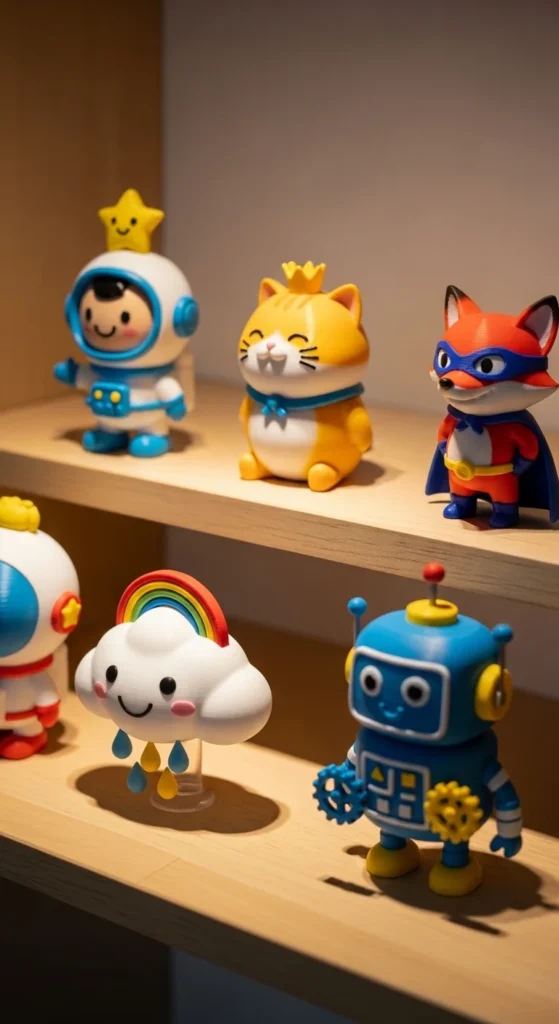
Mini figurines are an enjoyable way to explore creativity. Beginners can start with simple shapes or cartoon-inspired characters. Small prints use little filament and don’t require long printing times. You can practice painting or sanding afterward for a polished finish. Designing your own figurines in beginner software encourages understanding 3D modeling basics. They are perfect for desk decoration, gifts, or even gaming accessories. Keep the designs simple initially, focusing on basic forms and layers, then gradually experiment with more details as skills improve.
9. Bag Tags
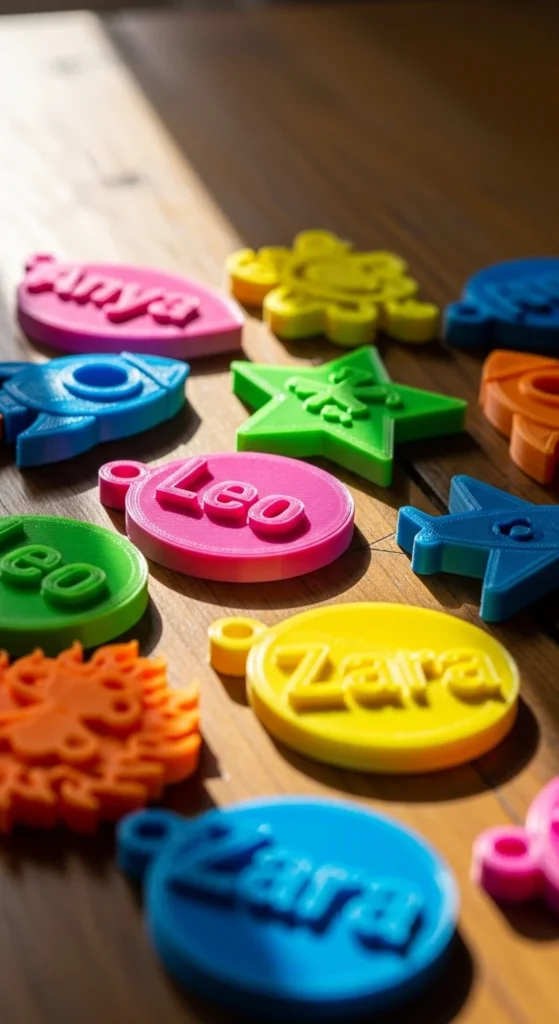
Bag tags are easy, functional, and fun. Print simple rectangles, circles, or shapes with raised letters. They are small, quick to print, and excellent for beginners. Bag tags allow creative personalization with initials or icons, making travel or school items easy to identify. You can combine two colors or use multiple layers for a fun effect. Budget tip: use leftover filament scraps for color variety. These tags also teach beginners basic design adjustments and help build confidence for larger projects.
10. Fridge Magnets
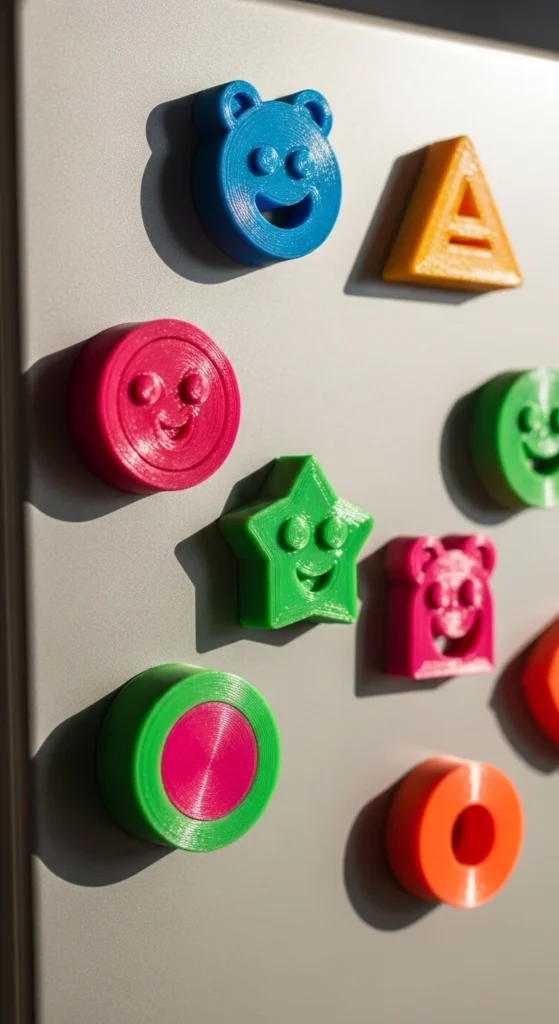
Magnets are small, easy projects perfect for beginners. Print tiny designs like letters, animals, or geometric shapes, then attach small magnets. This project is fast and uses minimal filament. You can experiment with layering colors or textures. Magnets offer a chance to practice adhesion and finishing techniques. Budget tip: leftover filament scraps are perfect for colorful magnets. They also make fun, personalized gifts or home decorations, giving beginners a sense of achievement quickly.
11. Earbud Holders
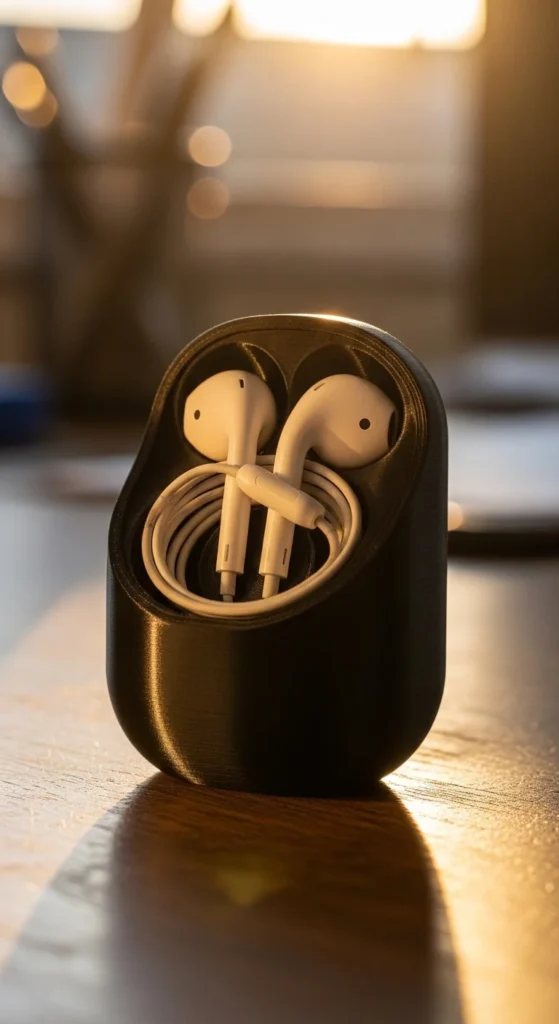
Earbud holders prevent tangled cords and are a practical beginner project. Simple U-shaped or spool designs print quickly and use little filament. You can adjust sizes to fit different cords. Printing multiple pieces helps beginners understand overhangs and filament control. Flexible filament works well for durability. Customizing with colors or patterns adds personality. Budget tip: print several holders at once to save time. This small project combines functionality and creativity for a satisfying first print.
12. Drawer Organizers
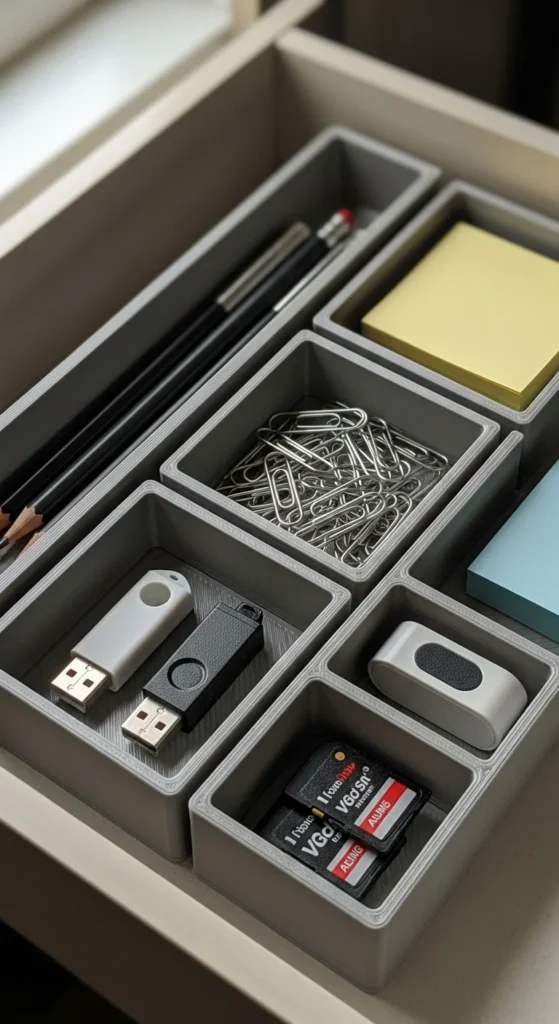
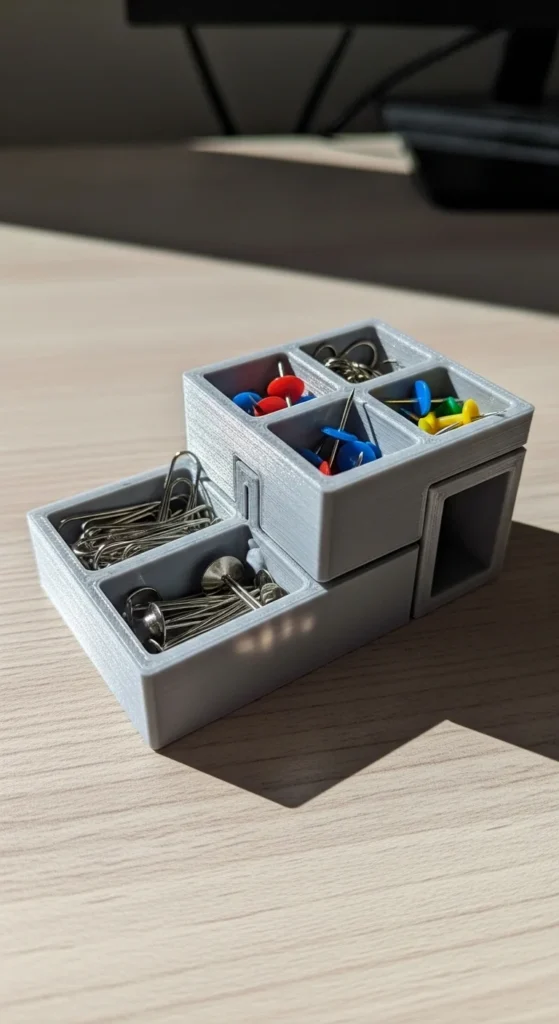
3D printed drawer organizers are a practical way to learn measuring and fitting. Start with simple boxes and dividers that fit your drawer size. This project helps beginners practice precision and scaling. You can add sections for pens, clips, or small tools. PLA is sufficient, and printing multiple small organizers helps reduce errors. Budget tip: design modular pieces so you can rearrange them. These organizers improve your space while reinforcing essential 3D printing skills.
13. Coiled Cable Holders
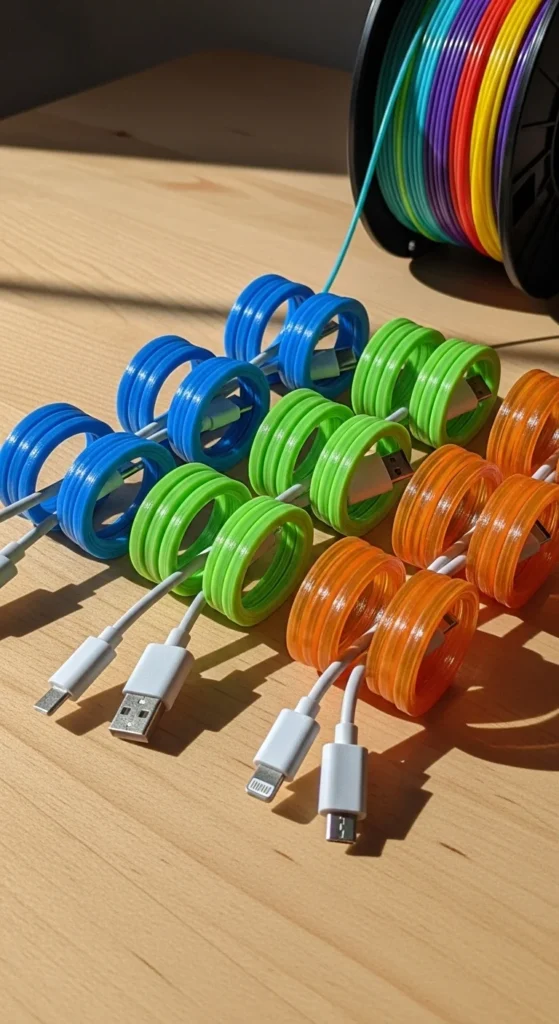
Coiled cable holders are small, simple projects for managing cords. You can print spiral or clip designs that are quick and use minimal filament. Beginners learn curved printing and layer adhesion. Flexible filament works best for durability. Multiple small pieces can be printed at once for efficiency. These holders combine practicality with creativity, making them an ideal early project. Budget tip: experiment with different filament colors for a fun look.
14. Simple Jewelry
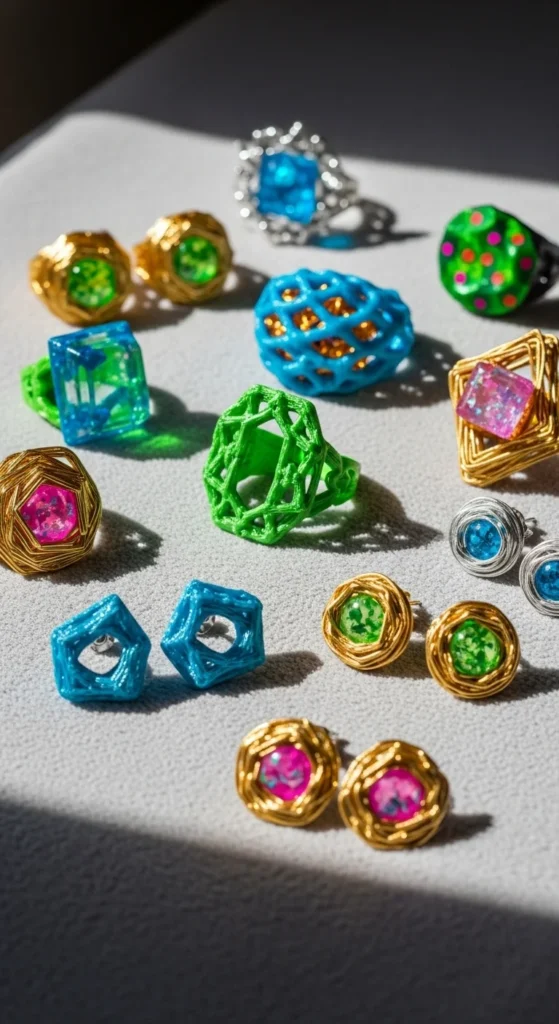
Jewelry pieces like rings, pendants, or earrings are small, beginner-friendly prints. Simple geometric designs are easy and quick. This project allows experimenting with layer resolution and finishing techniques. PLA is perfect for beginners, and post-printing painting adds color variety. Jewelry teaches fine detail printing and offers creative satisfaction. Budget tip: use leftover filament for multiple pieces. These projects make unique, affordable gifts and fun wearable art.
15. Desk Nameplates
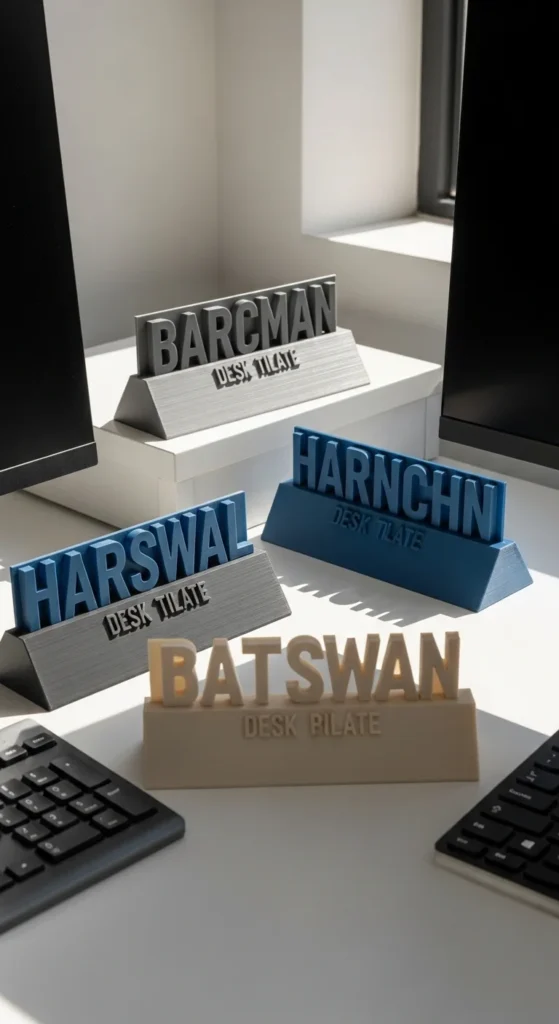
Desk nameplates are easy to print and offer customization opportunities. Create basic rectangular or triangular bases with raised names. This teaches beginners text placement and scaling. PLA prints well, and small sanding improves smoothness. Nameplates are functional and great for gifts or workspace personalization. Budget tip: print multiple nameplates at once to save filament. These simple projects combine utility and creativity, giving a tangible result quickly.
16. Bag Hooks
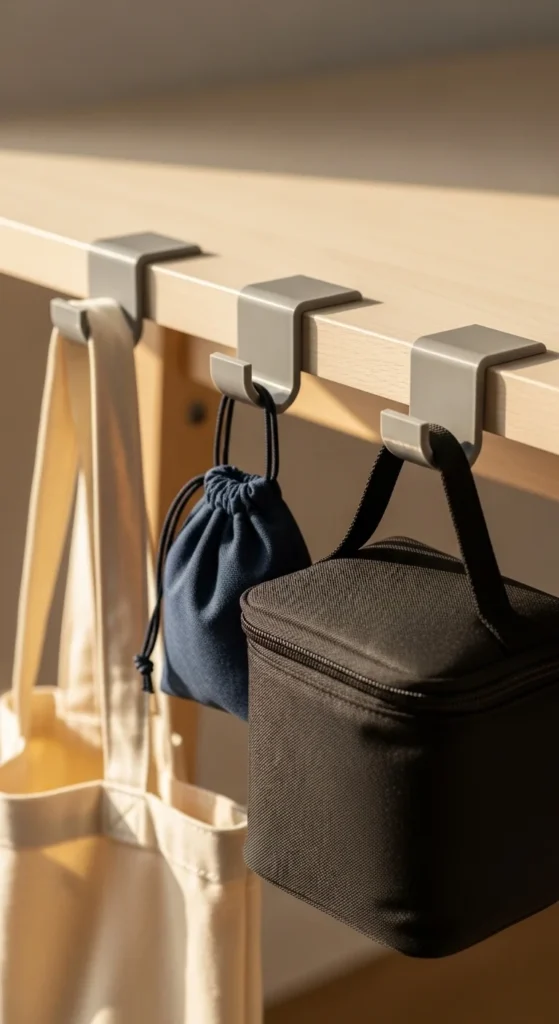
Bag hooks are practical and fast to print. Simple designs fit over a table or shelf edge, holding purses or grocery bags. Beginners learn structural stability without complex supports. Printing multiple hooks lets you test different angles and sizes. PLA or PETG works well. Adding small textures or patterns personalizes them. Budget tip: small hooks use minimal filament. These hooks are functional and satisfying first prints.
17. Mini Dice
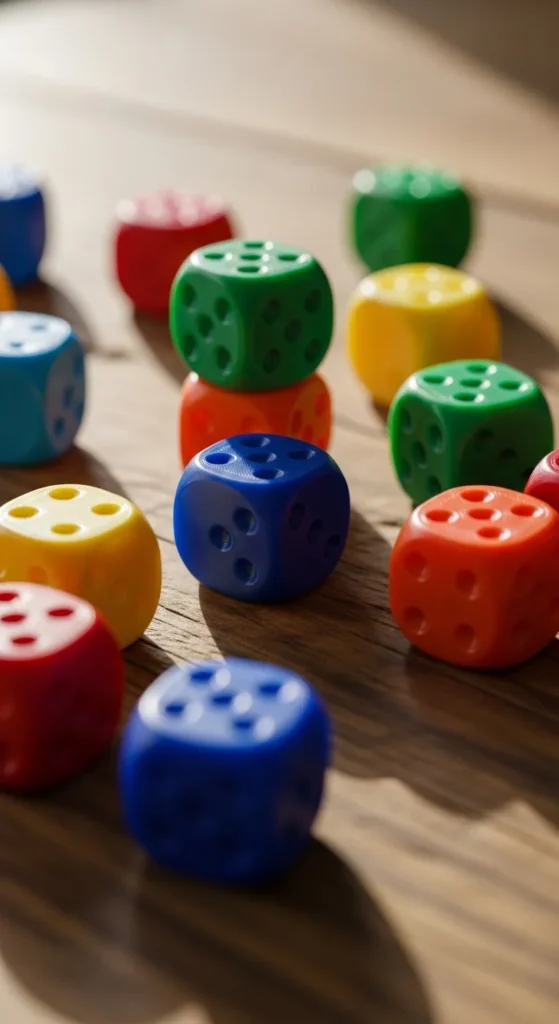
Mini dice are small, simple projects perfect for testing precision. Print cubes with numbered dots or letters. Dice teach beginners layer consistency and design accuracy. They are fast, cheap, and use minimal filament. Printing multiple dice at once maximizes efficiency. Budget tip: leftover filament is ideal for colorful dice sets. Dice can be used for board games or as playful desk decorations.
18. Bottle Openers
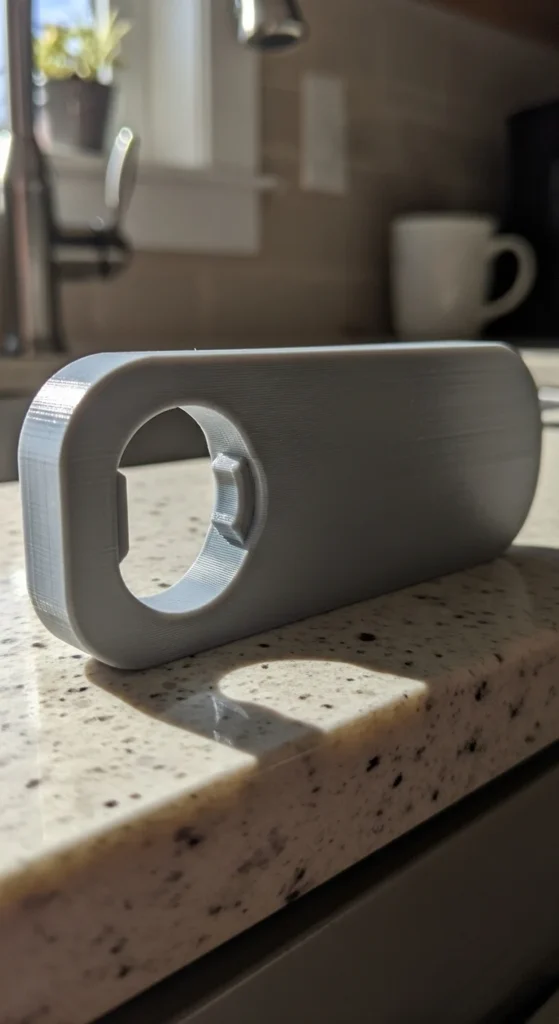
Simple bottle openers are practical, beginner-friendly items. Designs can be basic rectangles with a small cutout. Printing teaches layer adhesion and strength testing. PLA works, though PETG adds durability. Small size means minimal filament usage. Finishing with light sanding ensures smooth edges. Budget tip: design multiple sizes or shapes to experiment. Functional first prints like this give confidence for more complex projects.
19. Mini Storage Boxes
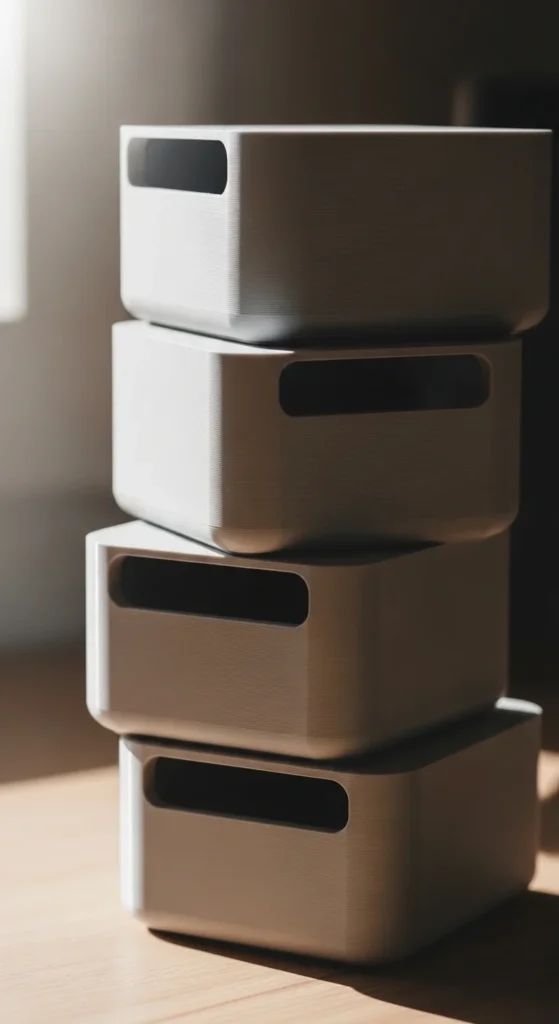
Mini storage boxes help organize small items like screws or beads. Simple cube or rectangular shapes print easily and quickly. Beginners can practice lid fitting and tolerance adjustments. PLA is ideal, and small sizes save filament. Decorating with patterns or colors adds a personal touch. Budget tip: modular boxes let you reuse them in different configurations. These are both functional and rewarding beginner projects.
20. Pen Caps
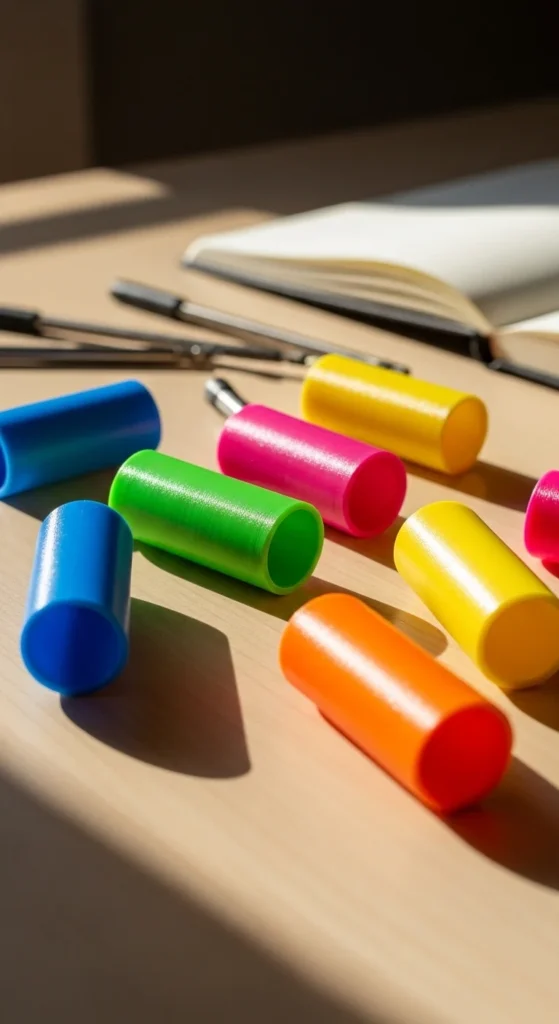
Pen caps are small, fast, and easy. They allow beginners to practice precise dimensions. Simple cylinder designs work for standard pens. Flexible filament ensures snug fits. Multiple caps can be printed at once to save time. Budget tip: use leftover filament scraps. Pen caps are practical, fun, and offer a small but satisfying first printing experience.
21. Wall Hooks
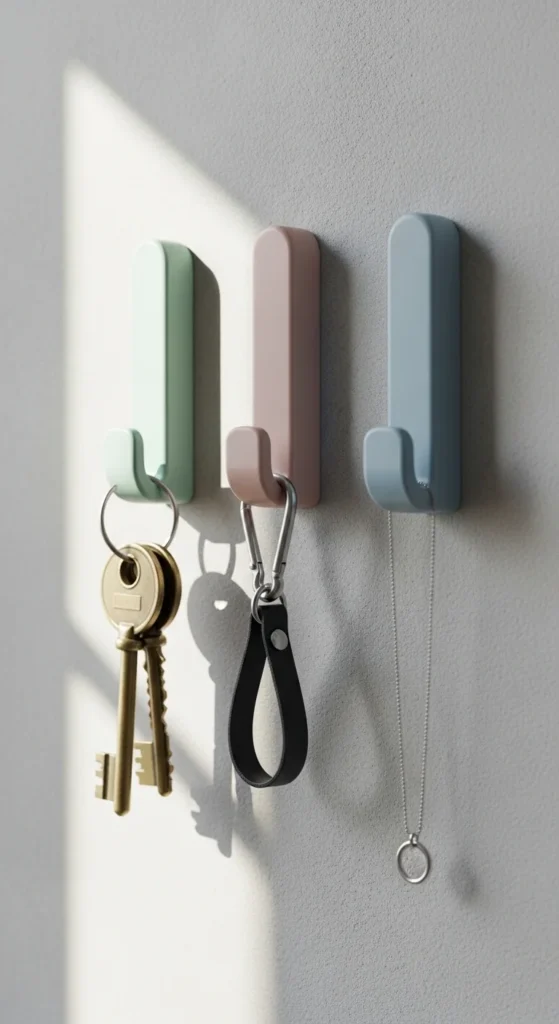
Wall hooks are simple structural prints that teach beginners about load-bearing designs. Small hooks use little filament and print quickly. PLA works for lightweight items, PETG is better for heavier objects. You can experiment with different shapes and lengths. Budget tip: print multiple hooks at once for efficiency. Hooks add practicality and decoration to your home while being beginner-friendly.
22. Card Holders
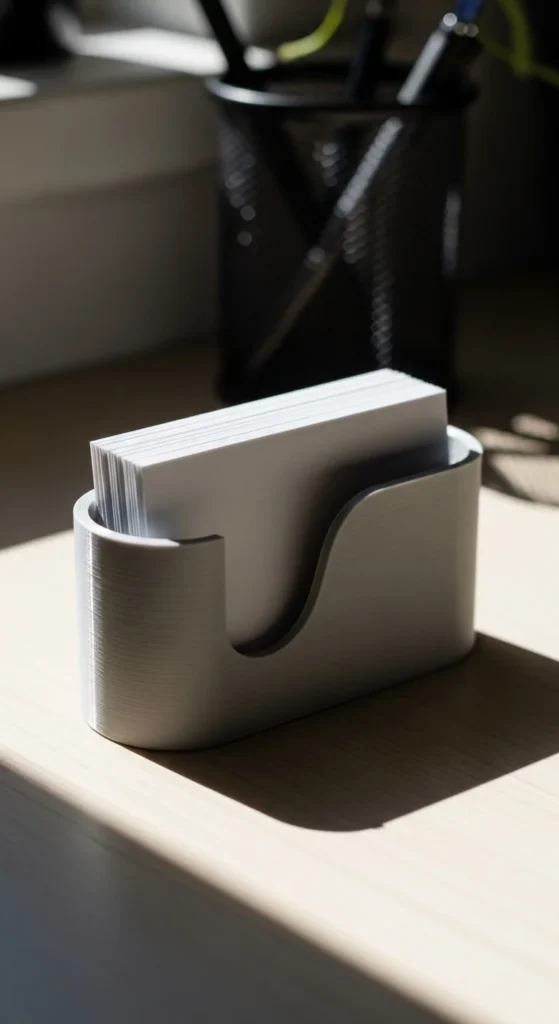
Card holders are practical and small projects. Simple designs print quickly, using minimal filament. Beginners can practice spacing and angle adjustments. PLA is sufficient, and sanding or painting improves the finish. Budget tip: print several at once to save filament. Card holders are useful at home or work and offer satisfying first 3D printed results.
23. Simple Toys
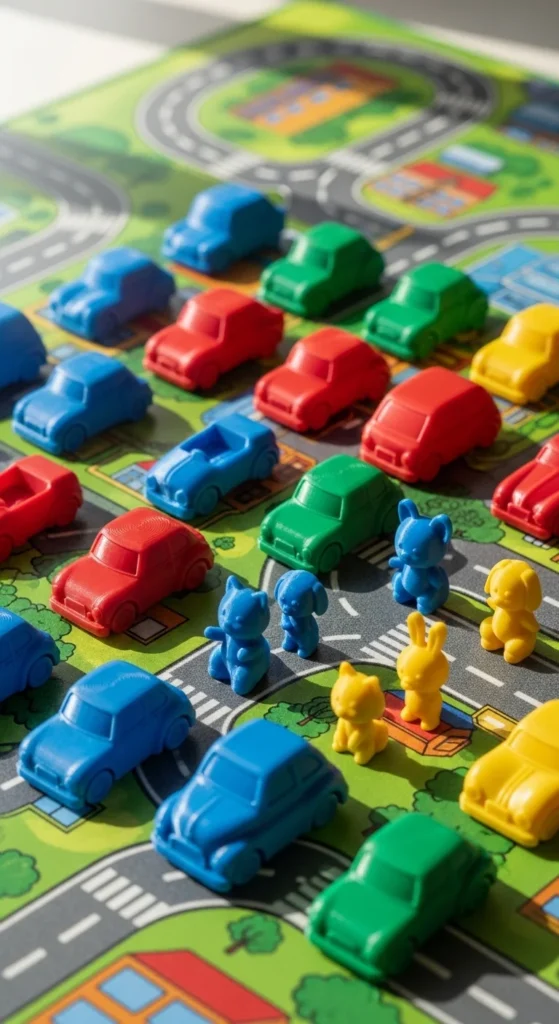
Simple toys like cars, animals, or puzzles are fun beginner projects. Start with basic shapes that print quickly. Toys teach layer alignment and small detail control. PLA is safe and easy to use. Post-printing sanding or painting adds personality. Budget tip: small toys reduce filament costs and allow multiple prints for practice. These projects are playful, practical, and build confidence for more advanced designs.
Conclusion
Starting with beginner-friendly 3D printing projects makes learning fun, affordable, and rewarding. These 23 ideas range from practical items like phone stands and cable organizers to creative pieces like mini figurines and toys, giving beginners confidence to experiment. Each project uses minimal materials, prints quickly, and teaches essential skills. By trying multiple projects, you’ll develop layer control, design understanding, and finishing techniques, turning your first 3D printing experiences into satisfying, hands-on accomplishments. Grab your printer, pick a project, and start printing today!

Leave a Reply