

Looking to add some dimension and personality to your kitchen or bathroom? Tile backsplashes are a timeless solution, offering both style and functionality. Whether you’re aiming for a sleek modern look or a cozy rustic feel, the right tile backsplash can completely transform a space. Plus, tiles are a practical choice, easy to clean and durable.
Here’s how to use tile backsplashes to add texture and character to your space. Let’s dive into some creative ways you can bring texture and charm to your home with tile designs.
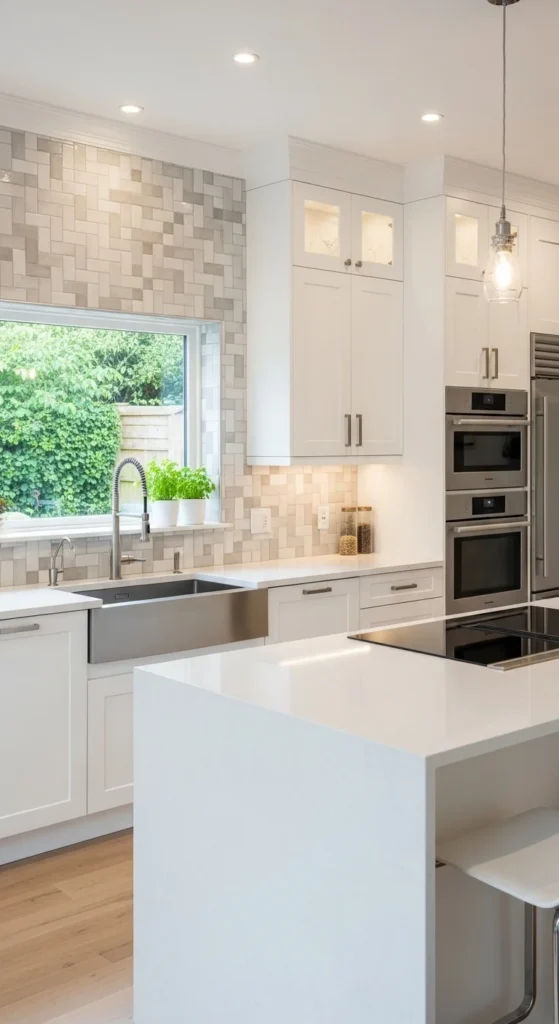
1. Choose the Right Tile for Your Desired Texture
The first step in creating a textured backsplash is selecting the right tile. Tiles come in a wide variety of materials, each offering unique textures and finishes. Here are a few options to consider:
- Subway Tiles: Classic and versatile, subway tiles create a clean and simple look. Opt for glazed subway tiles for a smooth, shiny surface or matte tiles for a more textured appearance.
- Ceramic and Porcelain Tiles: These tiles can mimic various materials like stone, wood, or even fabric. Some have raised textures, creating a more tactile experience in your space.
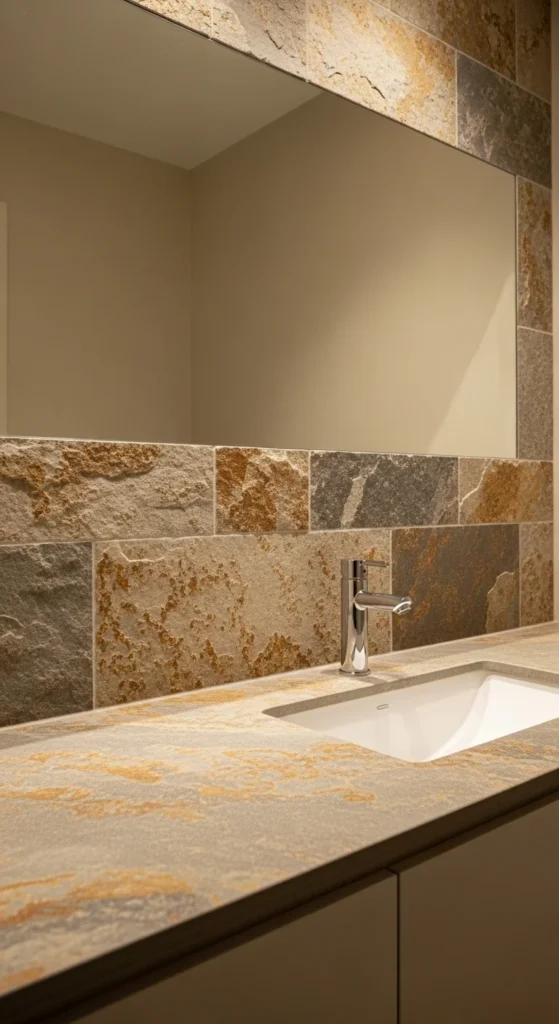
- Stone Tiles: For a natural, earthy look, stone tiles like marble, granite, or slate can add rich texture and variation, with each tile being unique.
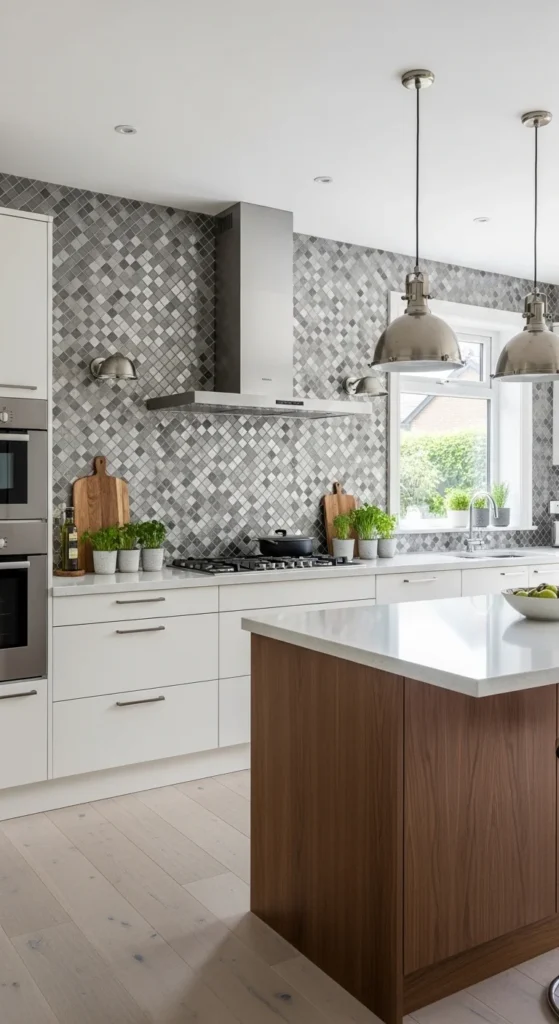
- Mosaic Tiles: These small, intricate tiles are great for adding dimension to your backsplash. Use them to create patterns, borders, or focal points.
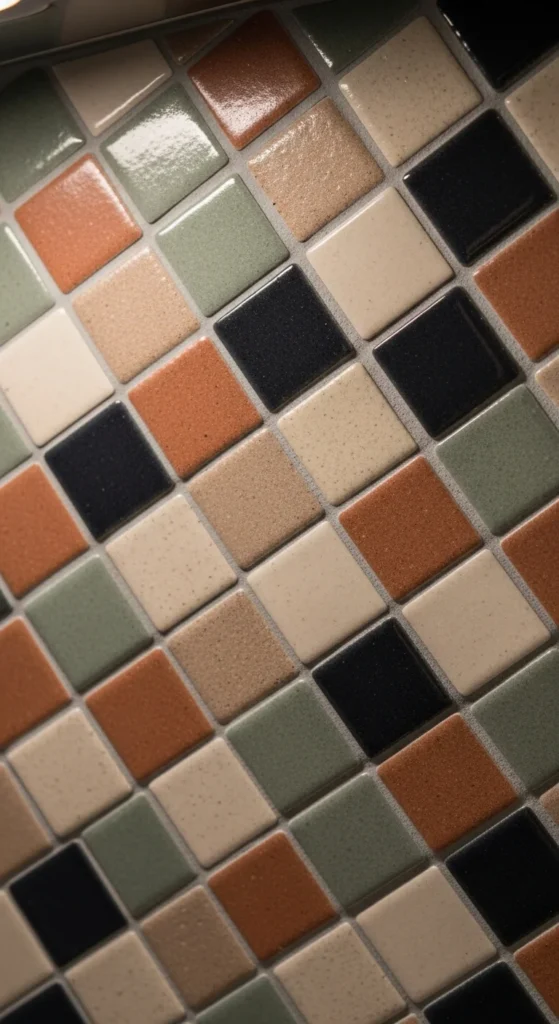
2. Play with Different Tile Shapes and Patterns
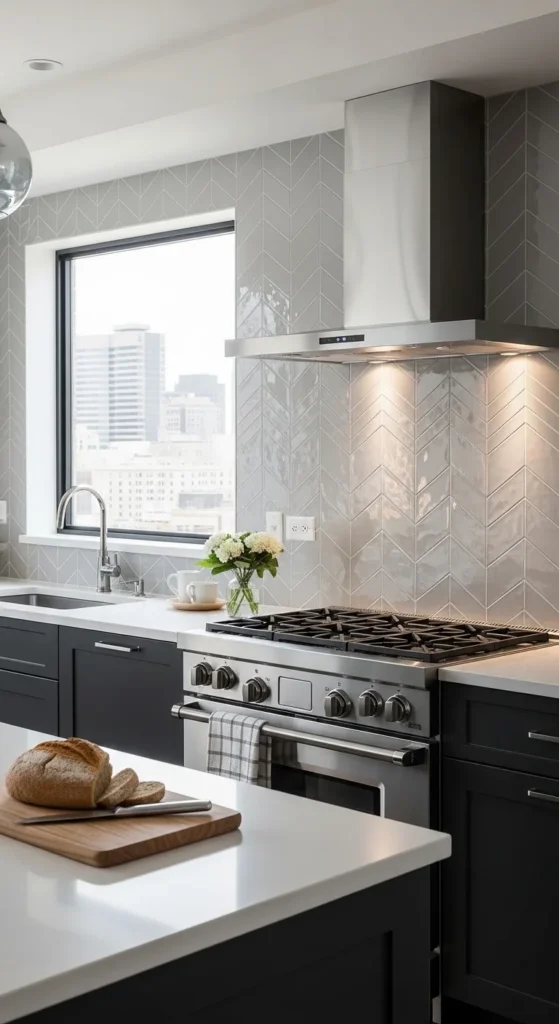
One of the best ways to introduce texture is through tile shapes and arrangement. Here are some pattern ideas to consider:
- Herringbone: This classic zig-zag pattern adds a dynamic and textured effect to your backsplash. It works especially well with materials like wood or ceramic.
- Chevron: Similar to herringbone but with sharper angles, the chevron pattern creates a bold, energetic feel.
- Stacked: For a clean, contemporary look, try stacking tiles vertically or horizontally. While it’s a more minimal design, the texture of the tile itself can still shine through.
- Brick or Basketweave: These patterns have a more traditional feel, perfect for adding texture to a kitchen with a rustic or farmhouse vibe.
3. Incorporate Natural Materials for Added Depth
If you want your backsplash to stand out, consider using tiles made from natural materials like stone, marble, or terracotta. These materials not only offer beautiful textures but also bring a touch of nature into your space. The organic variations in each tile make your backsplash feel more dynamic and alive. Plus, they can pair well with neutral-colored cabinetry, letting the tiles be the focal point.
Terracotta tiles, for example, have a rustic, earthy texture that works perfectly in kitchens aiming for a warm, inviting atmosphere. Marble tiles, on the other hand, offer an elegant and timeless texture that’s perfect for bathrooms or kitchens where you want a more luxurious feel.
4. Mix and Match Different Tile Textures
You don’t have to settle for just one type of tile. Mixing different textures can create a stunning backsplash that grabs attention and adds layers to your decor. Combine glossy, smooth tiles with matte ones for a layered effect. Or, pair textured stone tiles with sleek, polished ones for a balanced look.
You could also mix different tile sizes. Larger tiles can dominate one area, while smaller tiles can be used to create an intricate border or accent. This technique adds visual interest and makes your backsplash more engaging.
5. Add Color Contrast for Extra Texture
Color also plays an important role in the perceived texture of your backsplash. Opt for contrasting shades to make the texture stand out more. Dark tiles, like charcoal gray or navy, create a deep, dramatic effect. Lighter tones, such as soft whites or pastels, offer a more subtle, airy texture.
If you’re feeling adventurous, use colored grout to emphasize the texture of the tiles. For instance, darker grout against light-colored tiles creates a bold contrast, highlighting each individual tile. Alternatively, choose grout that matches the color of the tiles for a seamless, understated look.
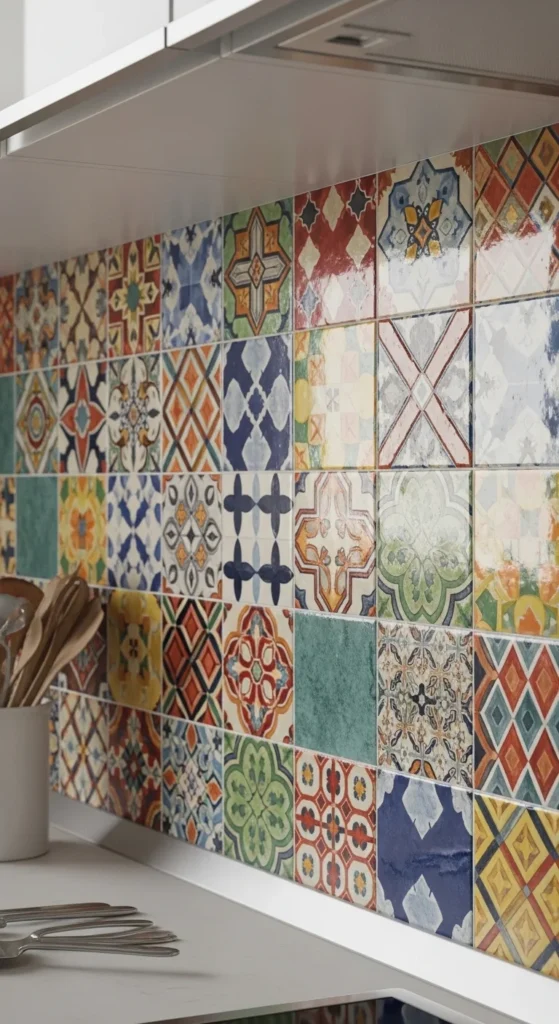
6. Think About the Surrounding Elements
When installing a textured backsplash, consider the other elements in the room. The texture of the tiles should complement, not compete with, the overall design. If you have a lot of textured elements in the room, such as a rough-hewn wooden dining table or a patterned rug, a more subtle, smooth tile backsplash may work best.
If you prefer a minimalist or modern design, go for smooth, uniform tiles in a neutral shade to allow the textures of the room to shine. On the other hand, if you want the backsplash to be the main feature, feel free to go bold with larger or more intricate tiles.
Conclusion
Adding a textured backsplash with tiles is a simple yet effective way to elevate your kitchen or bathroom decor. By carefully choosing the right tile materials, shapes, and patterns, you can create a visually striking space that’s both functional and stylish.
So, whether you’re renovating your entire kitchen or just refreshing your bathroom, a textured tile backsplash can be the perfect addition to make your space feel unique and inviting. Ready to add that wow factor to your home? Start exploring tile options today!

Leave a Reply